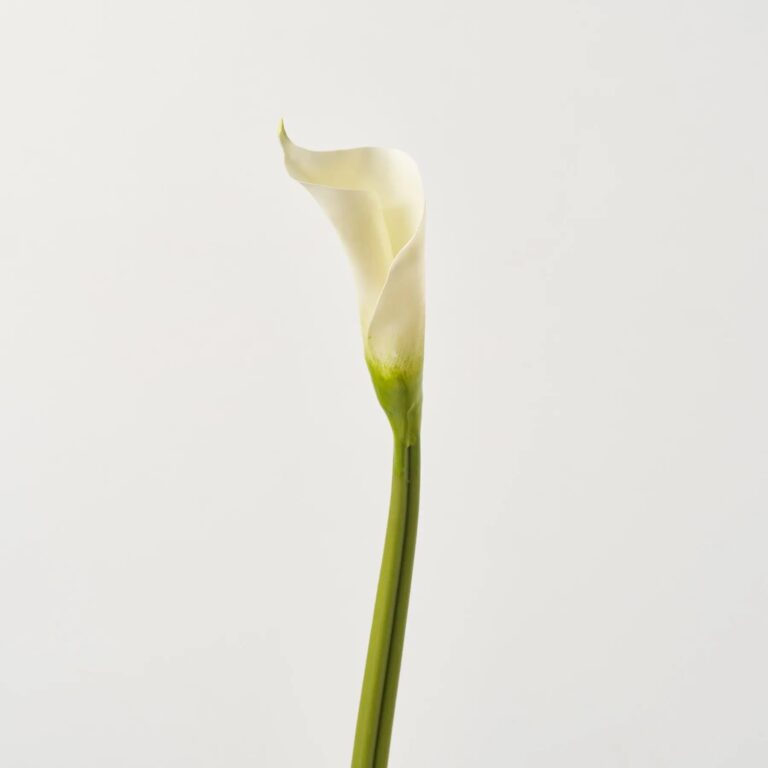
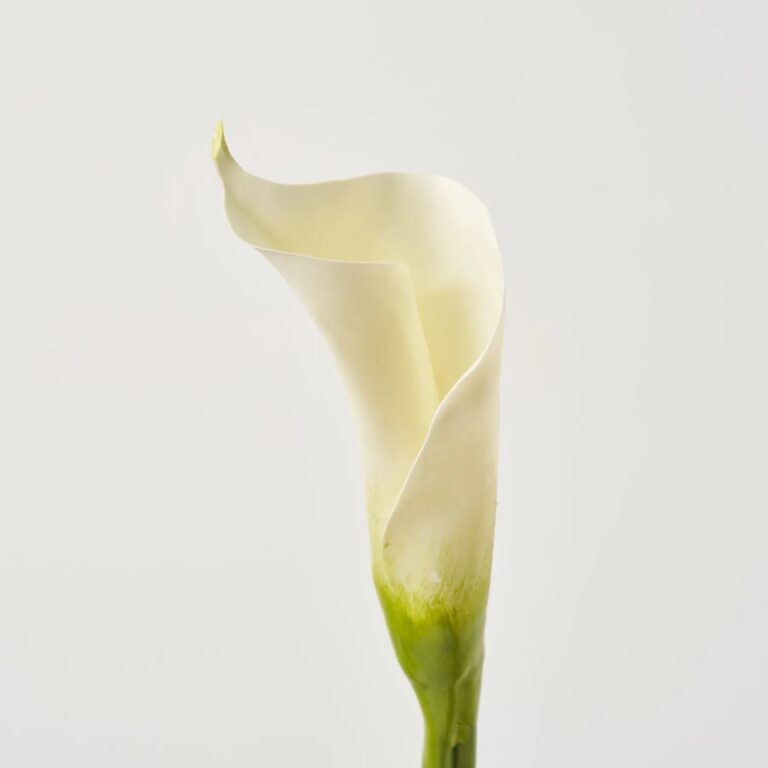
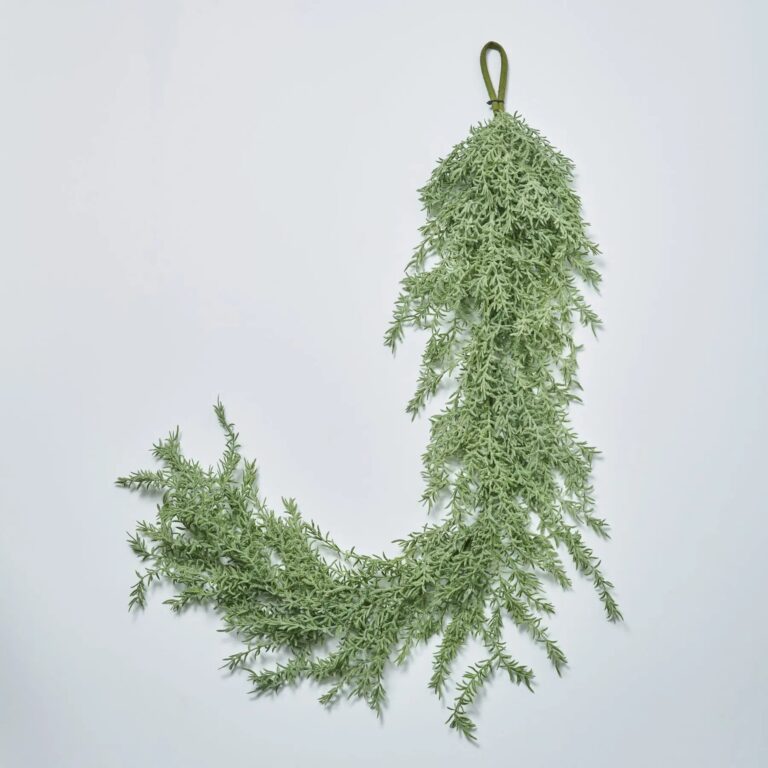
Quick answer: Cemetery flowers are outdoor flowers first — buy for weather, anchoring, and the rules of the grounds before color. A fade-resistant wreath on a stand, a white bouquet in a spike vase, or a saddle piece on a flat marker all hold their color for years, where fresh cuts fade inside a week. Check three things before ordering: UV-stable materials, a mounting method the cemetery allows, and a size that fits the plot without crossing onto the next.
Cemetery flowers live outdoors, unattended, for months at a time — through sun, rain, frost, and mower dust — on ground that belongs to someone else. That changes how you shop. The pieces that look right in a photograph are rarely the pieces that survive one: unprotected silk bleaches gray in a single strong summer, unanchored bouquets scatter in the first windstorm, and oversize wreaths get removed when they cross plot lines. This collection gathers artificial cemetery flowers and grave decorations built for the actual conditions — fade-resistant wreaths, evergreen garlands, and white bouquets and sprays that hold their finish season after season, sold with honest dimensions and piece counts.
The Three Checks Before You Buy
Every grave decoration decision comes down to three checks, in this order. Color comes last because color is the easy part — material, mounting, and size decide whether the tribute is still standing next month.
Check
What to look for
What goes wrong if you skip it
Weather resistance
UV-stable, fade-resistant foliage and outdoor-rated greenery — the same spec as our outdoor wreath collection
Indoor silk bleaches and grays within weeks of full sun; the piece reads abandoned long before it fails
Mounting method
Wreath stand or easel, monument saddle, ground stake, or spike vase — pick the one the marker allows
Loose arrangements blow across the grounds; pieces without an approved anchor get removed by maintenance
Size and plot rules
Dimensions matched to a single or double plot, and to the rules posted by the cemetery office
Oversize pieces cross onto neighboring plots and are the first removed at seasonal cleanup
Check One: Fade Resistance Comes First
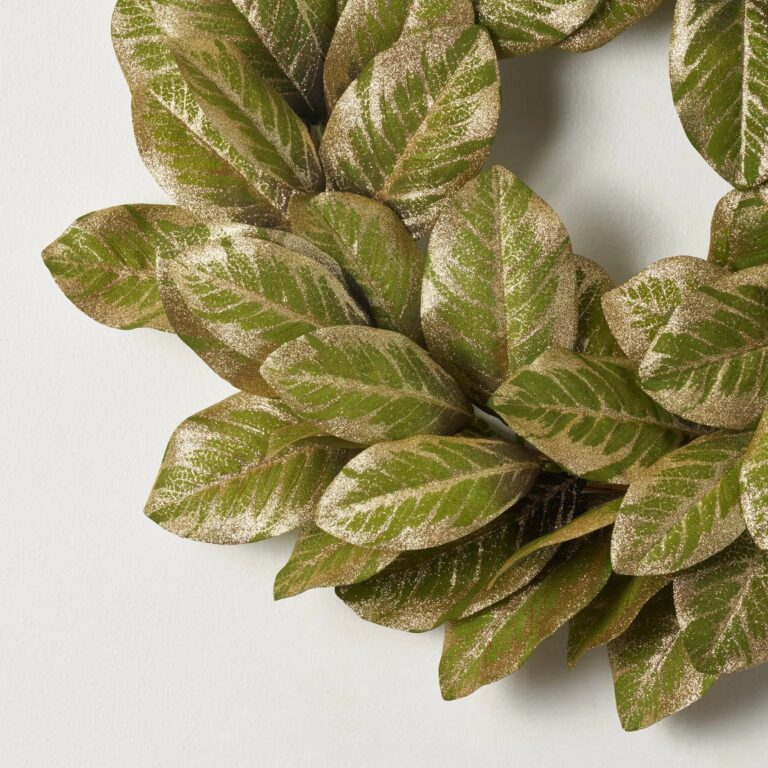
A grave site is the harshest display window in floriculture — full sun all day, every day, with no one to rotate the arrangement or bring it in. Ordinary indoor silk is dyed for living rooms; a season of ultraviolet light breaks the pigment down and the foliage takes on the flat gray of old newspaper. Material is the first filter here: fade-resistant foliage, dense UV-stable greenery, and plastic-cone bases rather than exposed foam, which crumbles and scatters after a hard winter. The honest expectation: an outdoor-rated piece holds its color through a full season and beyond, and ages cosmetically rather than structurally — a rinse and refluff restores most of the finish. Indoor silk in the same spot reads tired in six weeks.
Check Two: How Cemetery Flowers Anchor
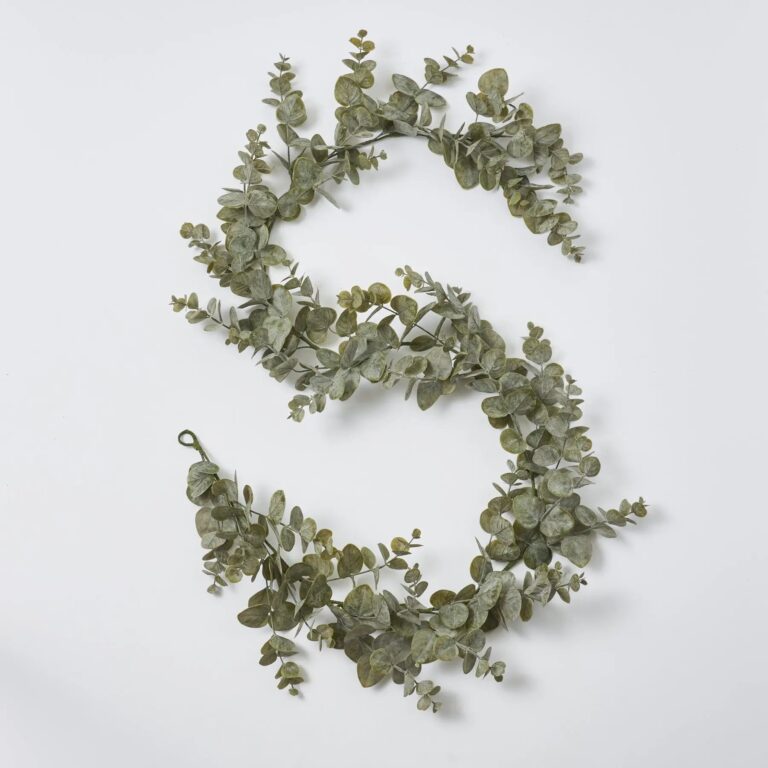
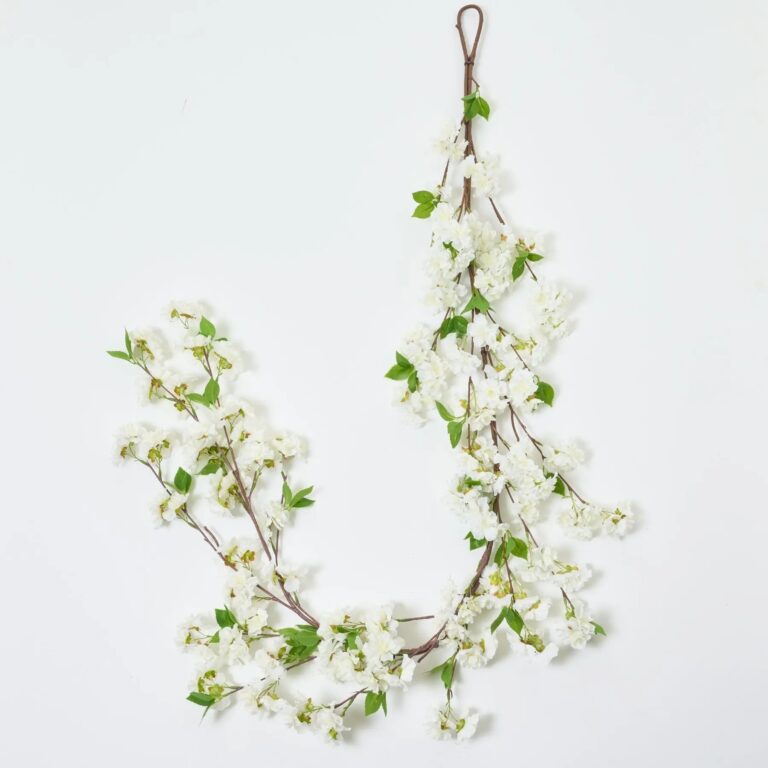
Every cemetery format exists because of how it attaches — mounting is the format. A wreath displays on a stand or easel beside the marker: no hardware touches the stone, the wreath lifts for mowing, and a 20 to 24 inch ring reads full without crowding the plot. A saddle rides the crown of an upright marker — two legs clamping a flat stone cap, carrying a low arrangement that stays put in wind a vase would not survive. A spike vase or bouquet stake pushes into the ground at the head of the plot and takes a bouquet or a handful of sprays — the classic choice for fresh-flower families switching to permanent pieces, and the reason the loose stem collection travels with this one. A garland or grave blanket lays flat along the plot or drapes the marker — the winter format through much of the Midwest and Northeast, laid before the first snow and pulled at spring cleanup. Check the office rules once: most cemeteries allow all four but cap the count per plot and prohibit anything that pierces or adheres to the stone.
Check Three: Size Against the Plot and the Rules
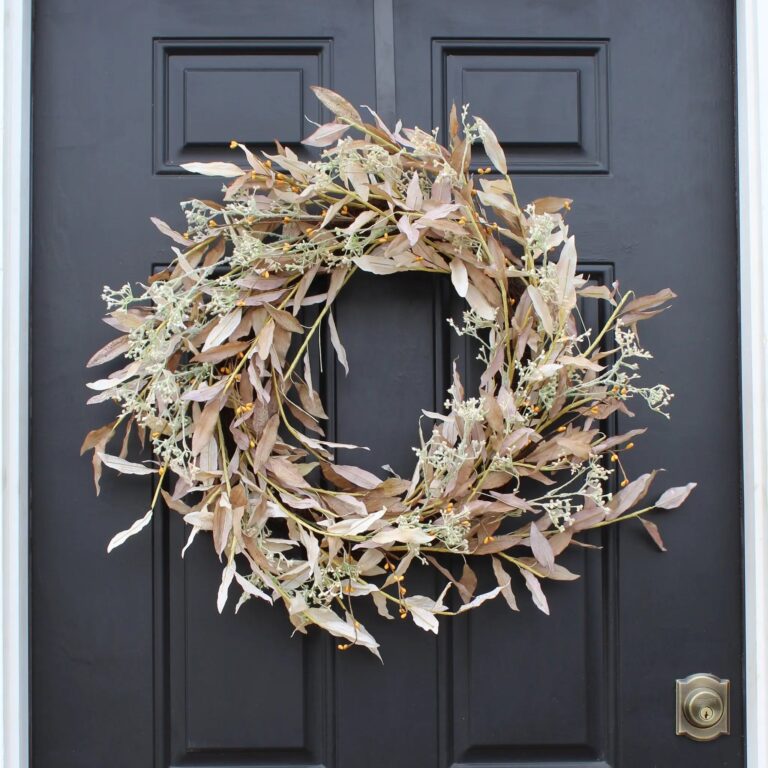
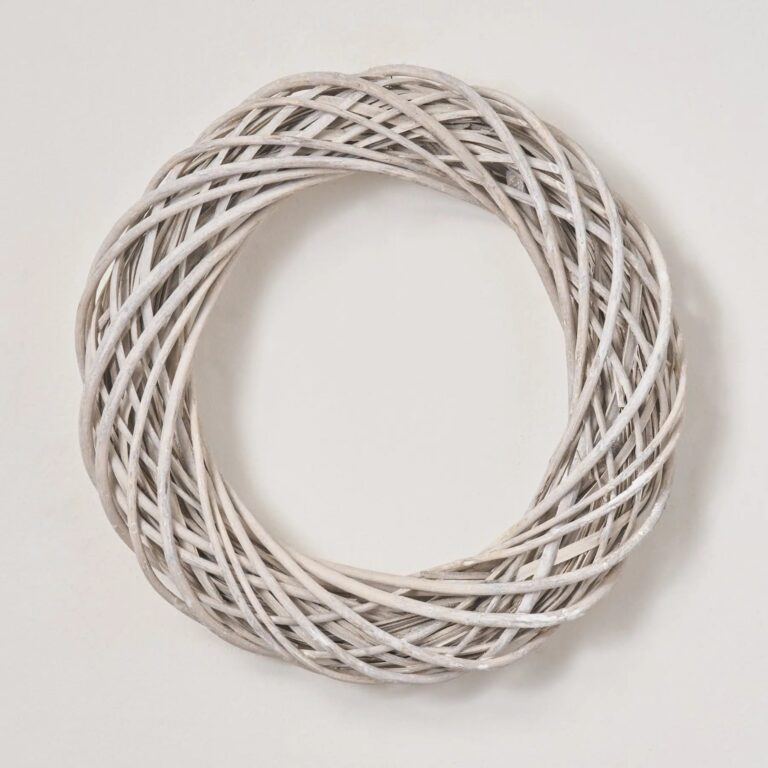
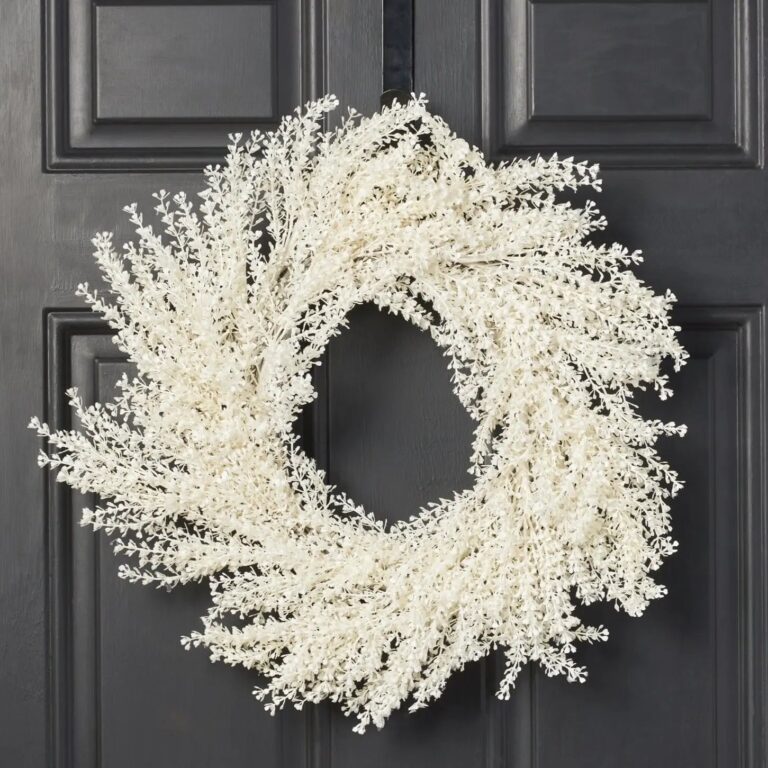
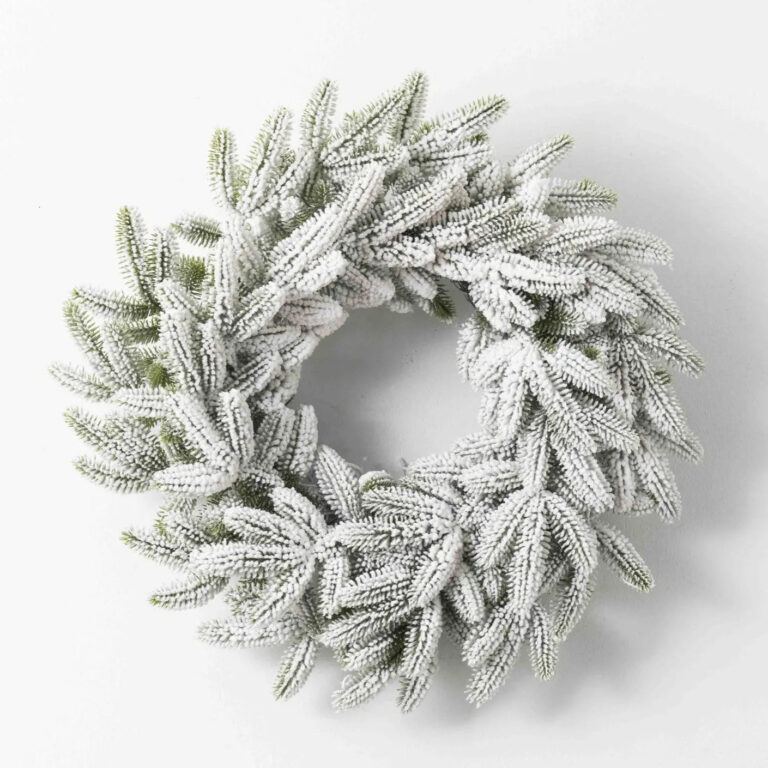
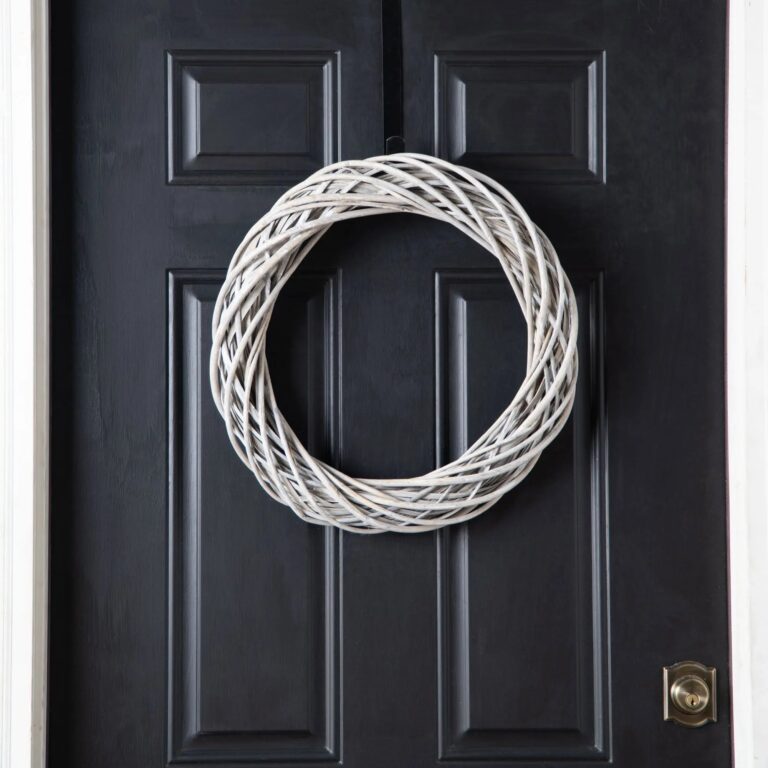
Size discipline is respect for the next plot over. A single grave runs roughly two by seven feet of ground; a double, twice the width. A 14 to 16 inch wreath suits a single marker in a dense section, a 20 to 24 inch ring like the 20 in. white willow wreath fills a standard single plot with margin to spare, and anything past 26 inches belongs to double plots and family markers. Height works the same way: easel displays stay courteous under three feet so sight lines stay open, and saddle pieces are sized to the stone cap — a saddle built for a 6 inch crown rocks on a 10 inch one. Cemetery policies address the same three points: one arrangement per plot in some sections, a height cap on stands, and a seasonal cleanup date.
Cemetery Flower Formats at a Glance
Four formats cover every grave decoration in North America, each sold by true diameter and piece count.
Format
How it sits on the site
Best for
Wreath on stand
Easel or tripod beside the marker; ring of 14–24 in.
Year-round display; the most cemetery-allowed format
Bouquet and sprays in spike vase
Ground spike at the plot head; stems held in a cone of water-less foam
Fresh-flower tradition, kept permanent; birthday and anniversary dates
Monument saddle
Clamps the crown of an upright marker; low, wind-stable profile
Upright granite stones; open, windy grounds
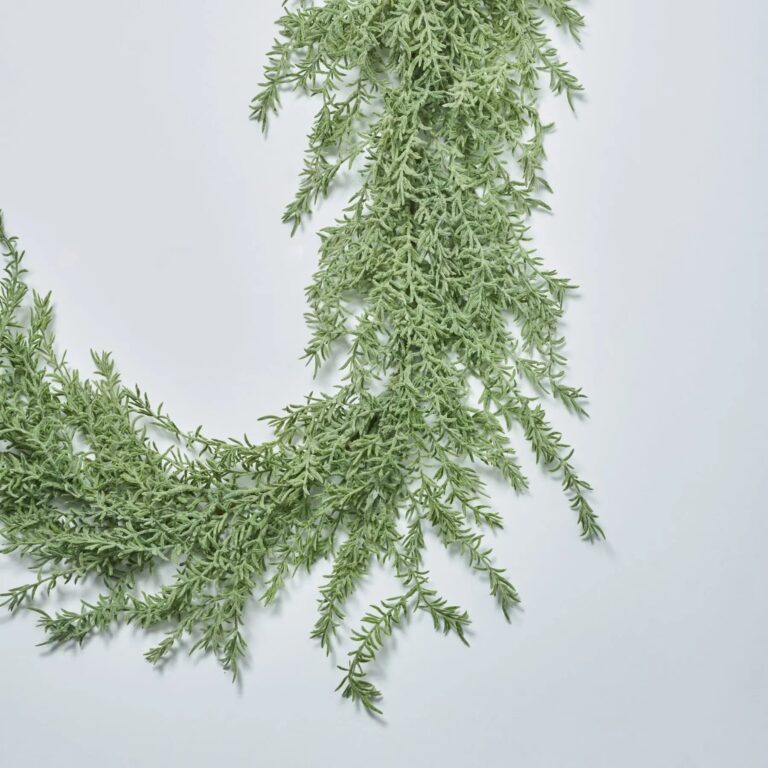
Garland laid on the plot
Runs the length of the grave or drapes a family marker
Winter and holiday seasons; double plots
Fresh vs. Artificial: The Longevity Math
The comparison is not close. Fresh-cut cemetery bouquets are built for about five days of dignity — a warm week with sun and wind shortens that to three, and a hard frost ends it overnight, so families who keep fresh flowers on a grave replace them twenty or more times a year. A fade-resistant artificial piece pays for itself inside the first month.
On the grave
Fresh cut flowers
Fade-resistant artificial
Looks presentable for
3–5 days in sun and wind; overnight loss in frost
A full season and beyond; years with seasonal rotation
Replacements per year
15–25 visits to keep the site dressed
One placement; a rinse and refluff each spring
Weather behavior
Wilts, scatters petals, tips vases in wind
Holds silhouette; anchored formats hold position
Off-season
Not an option in frost and snow
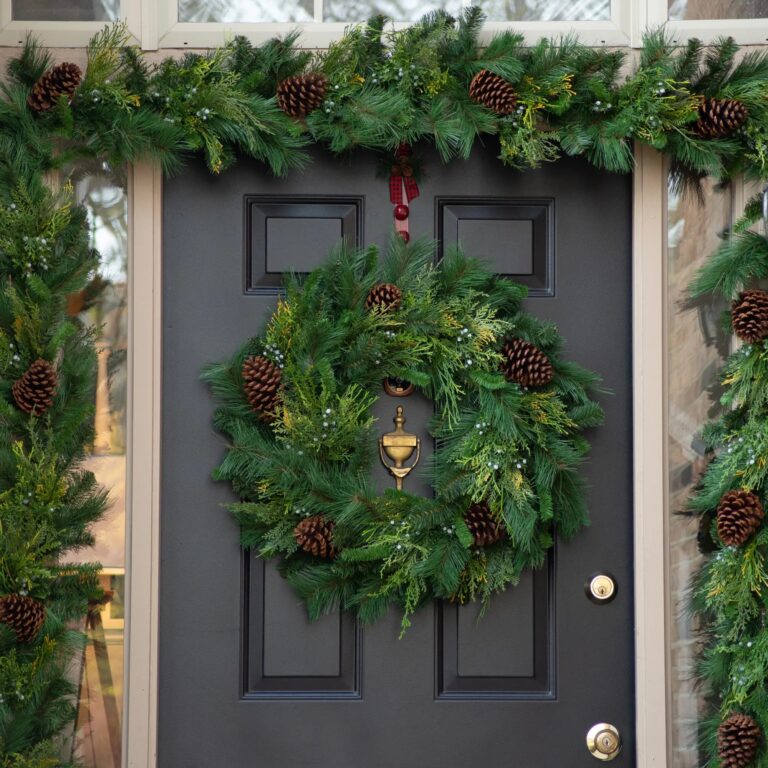
Evergreen pieces dress the site through winter
The economics follow the same curve. A weekly fresh bouquet at florist pricing runs past the cost of a permanent wreath inside a single season — and the artificial piece still owns every week the fresh one misses: the weeks no one could travel, the weeks of rain, the whole winter. That is why this selection leans on evergreen and white — the two palettes that read intentional in every weather.
Colors of Remembrance
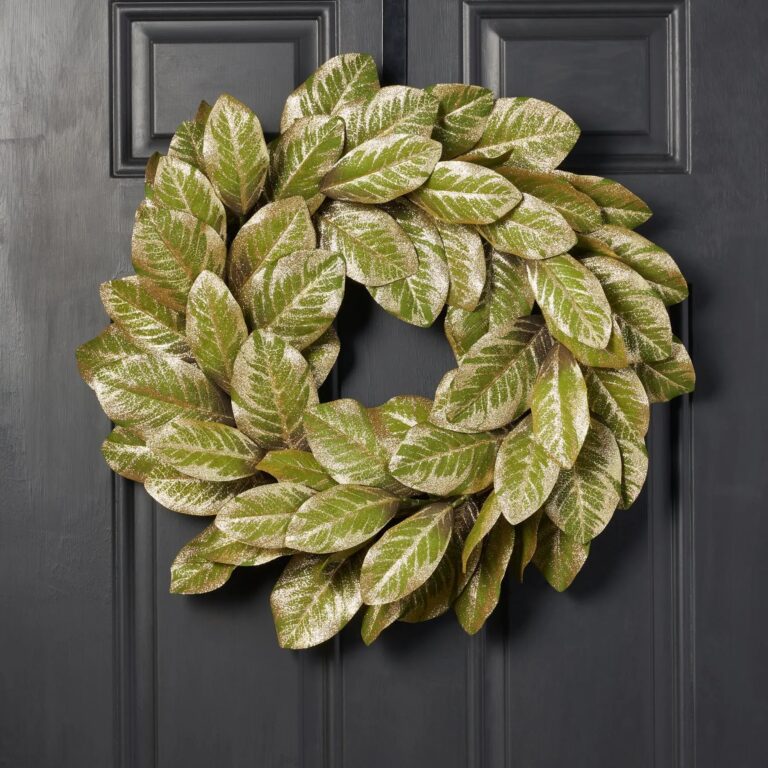
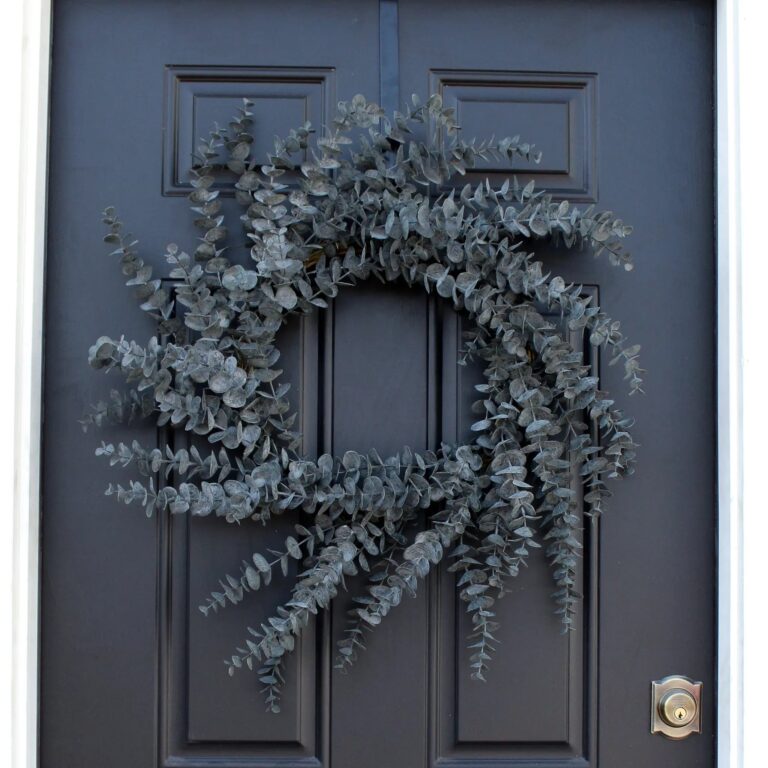
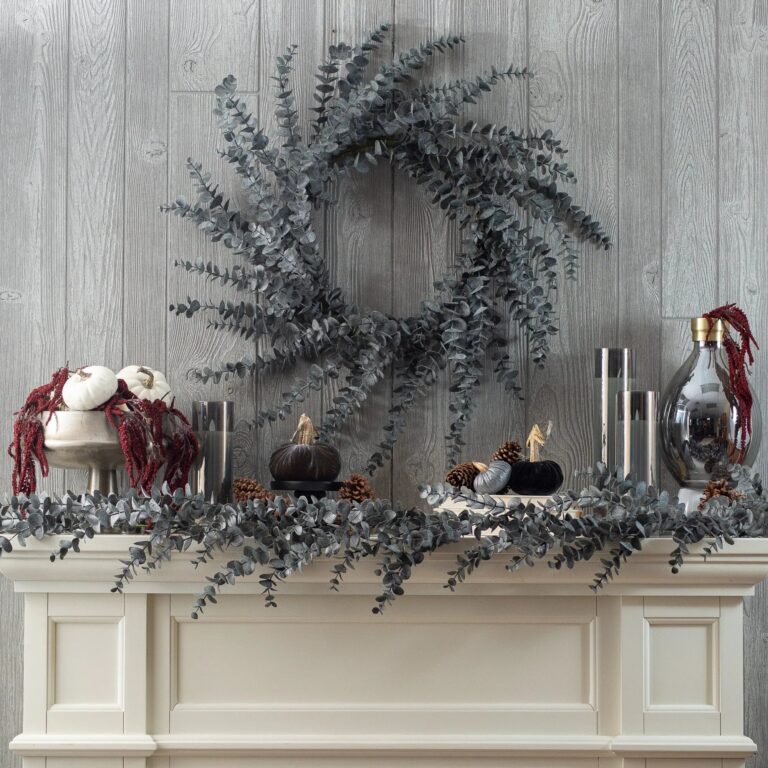
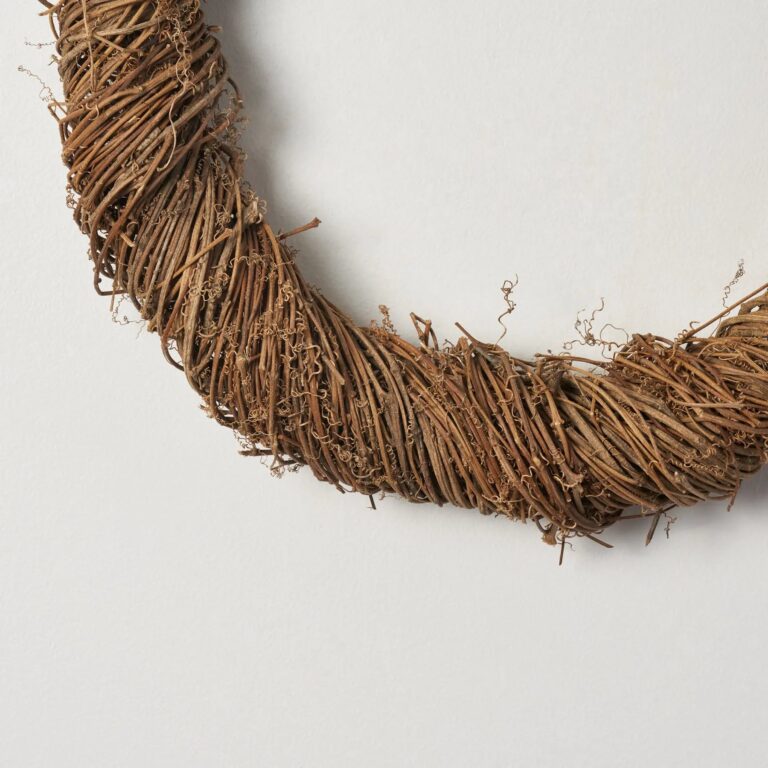
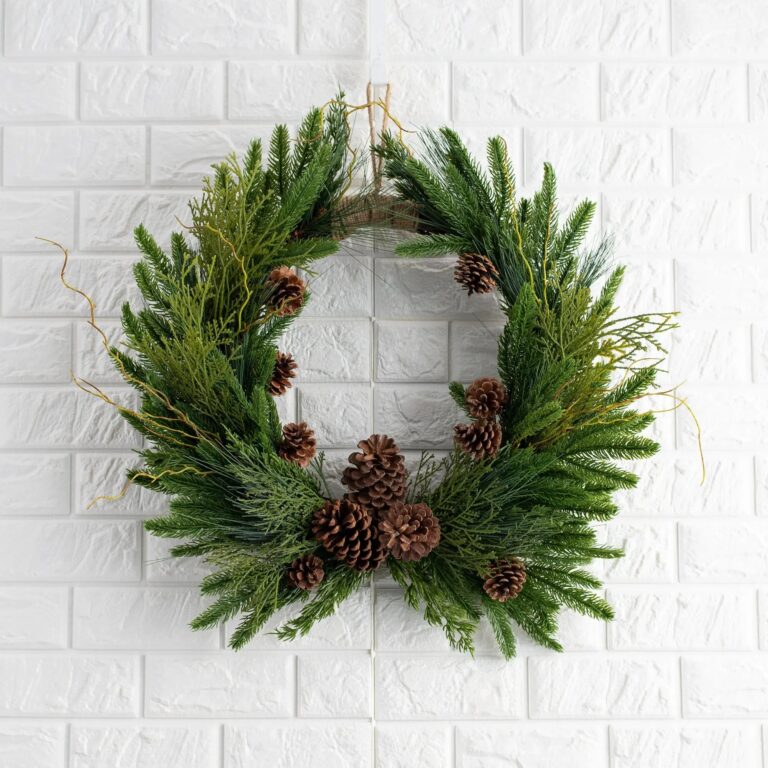
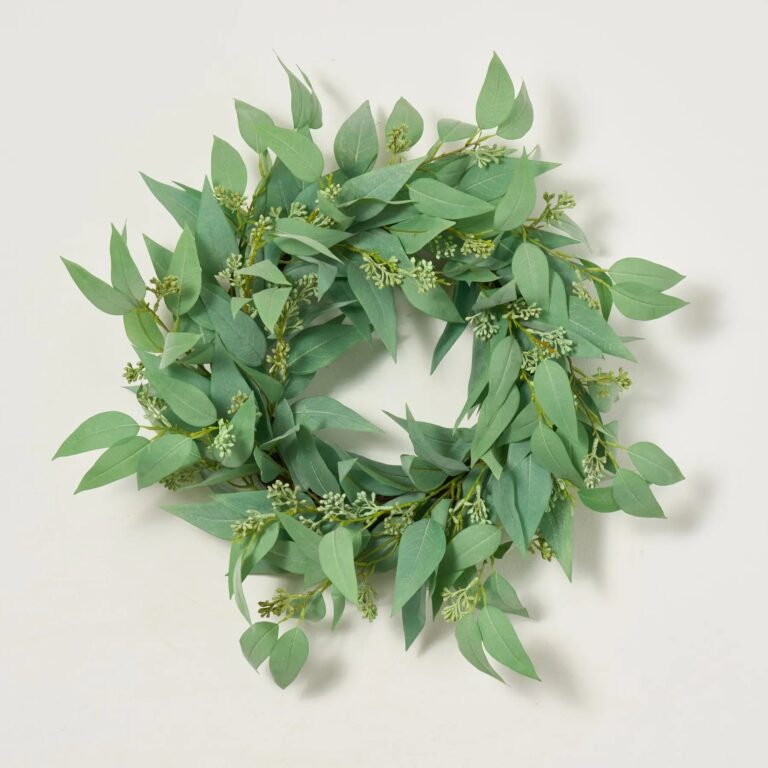
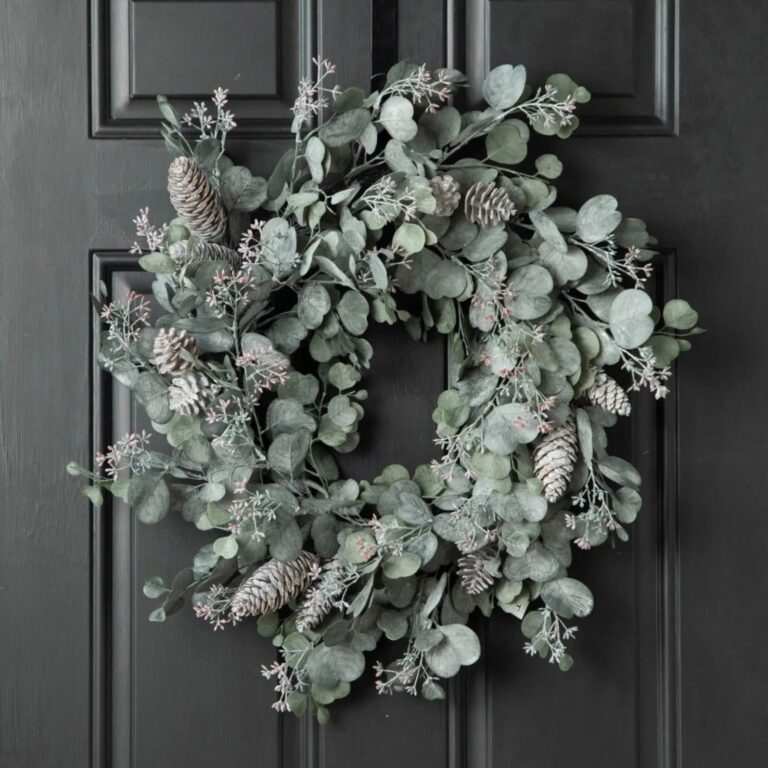
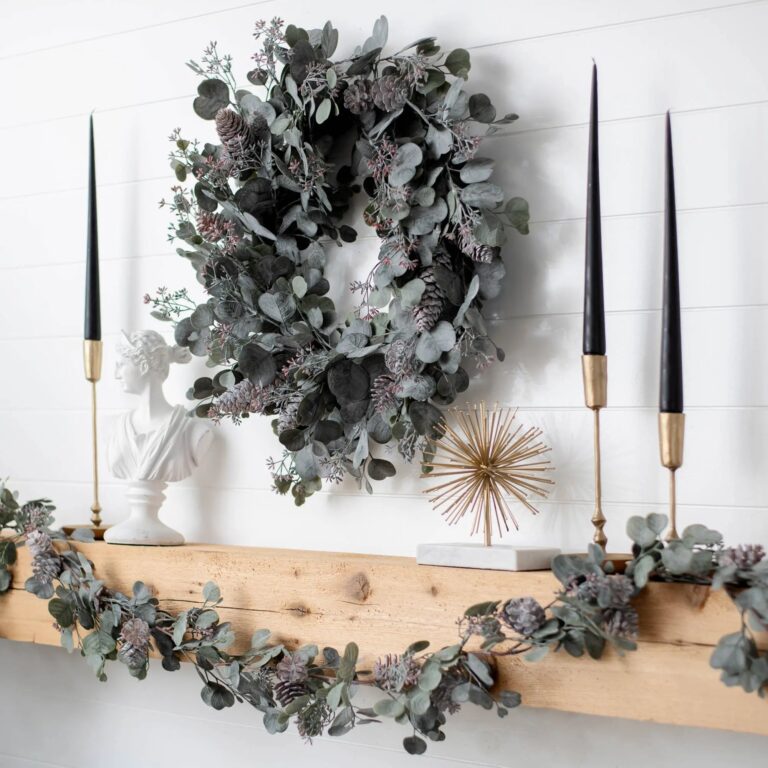
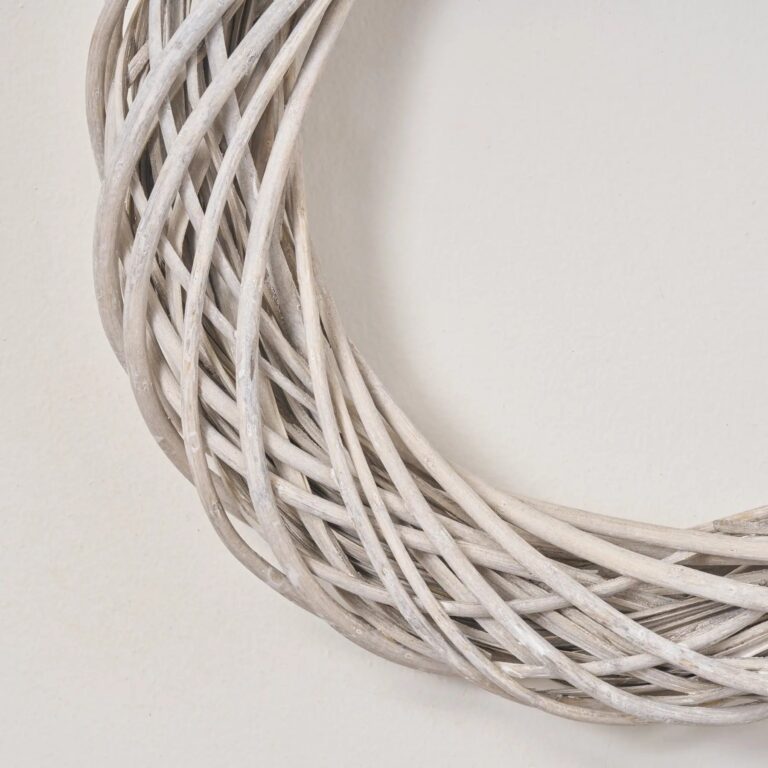
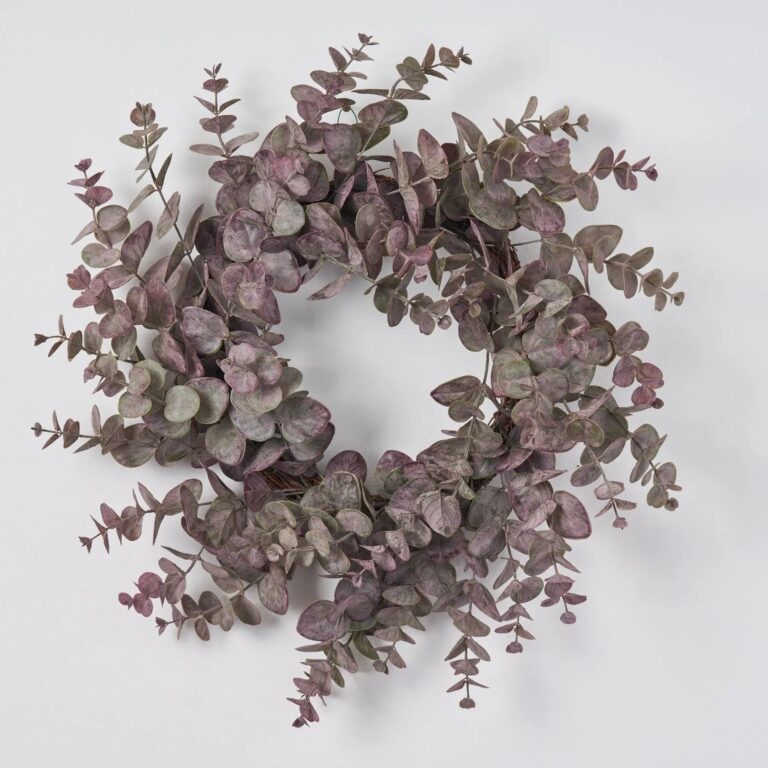
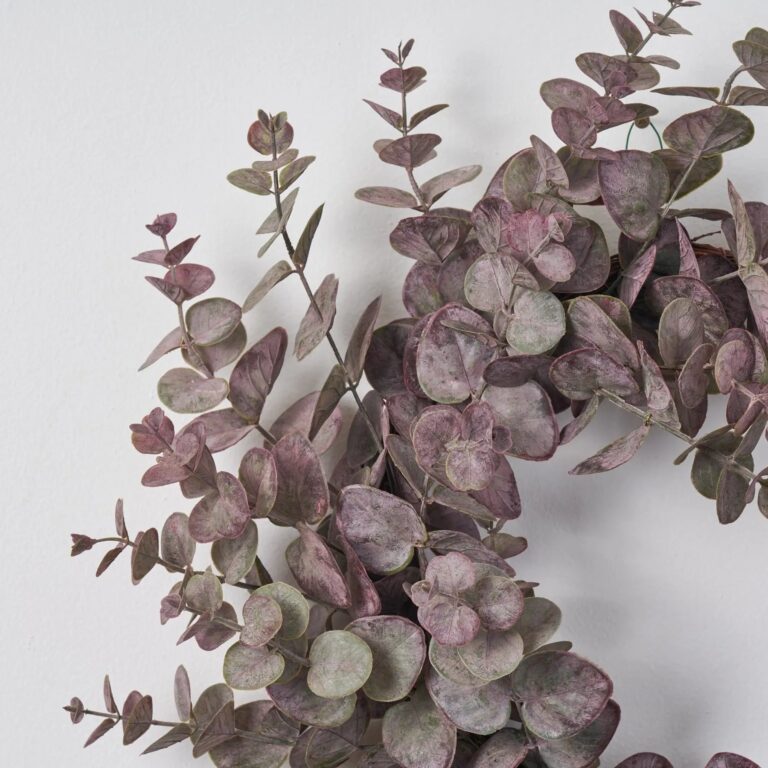
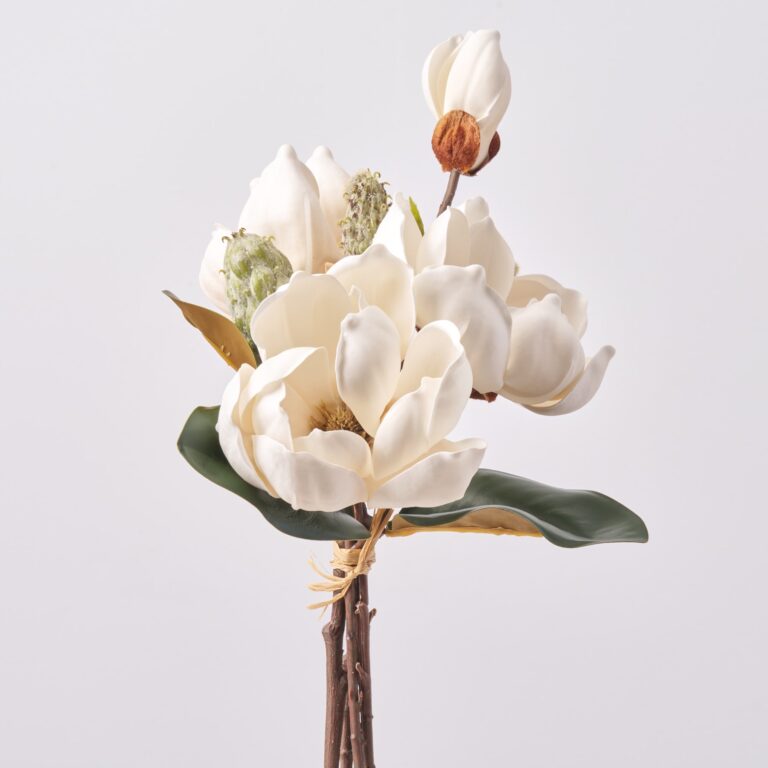
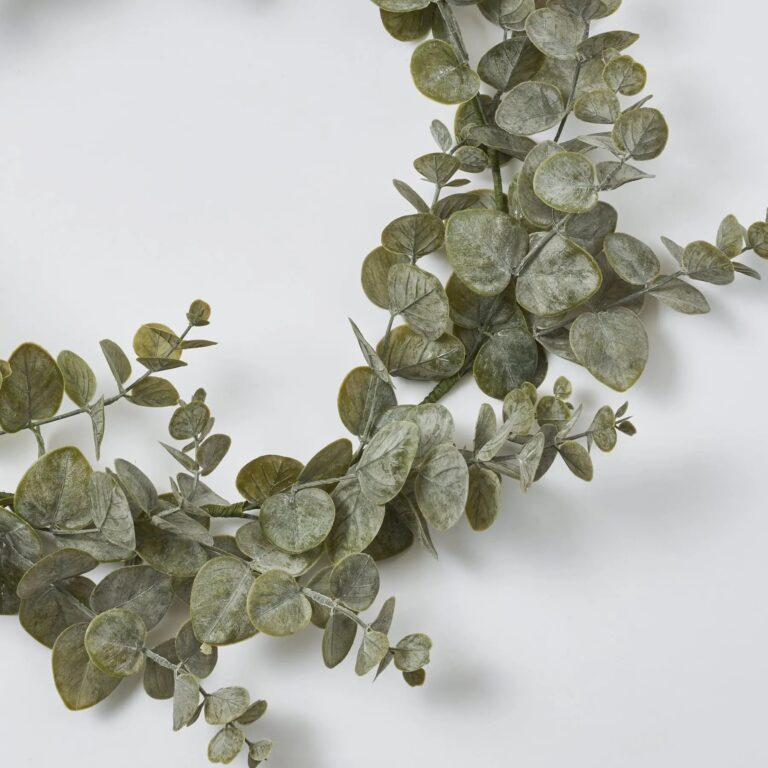
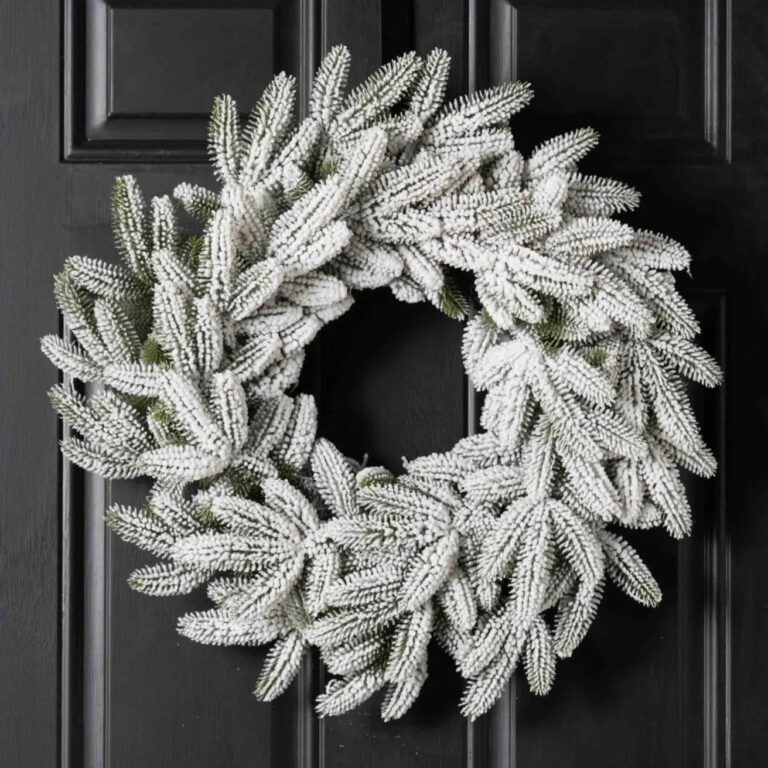
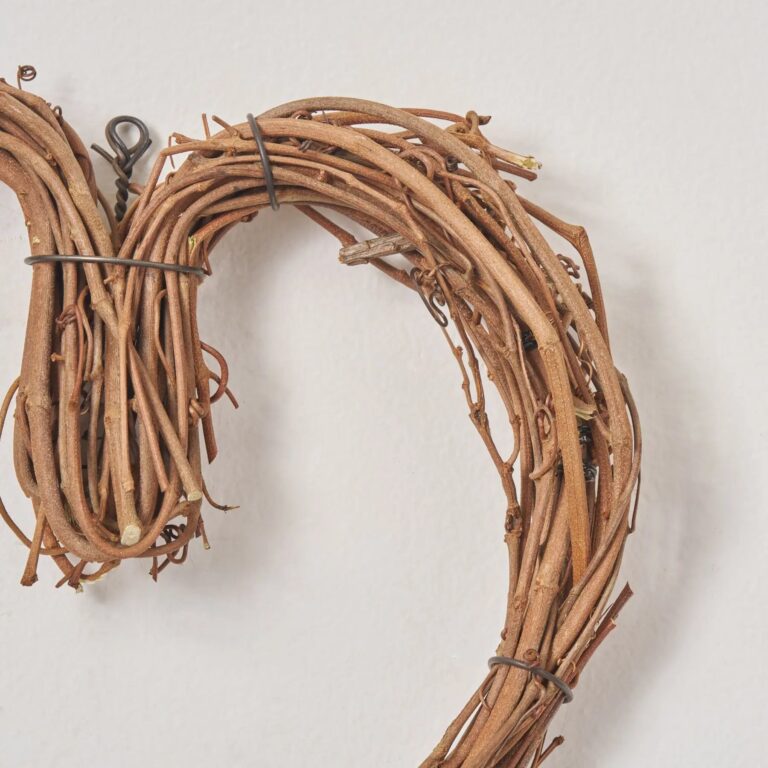
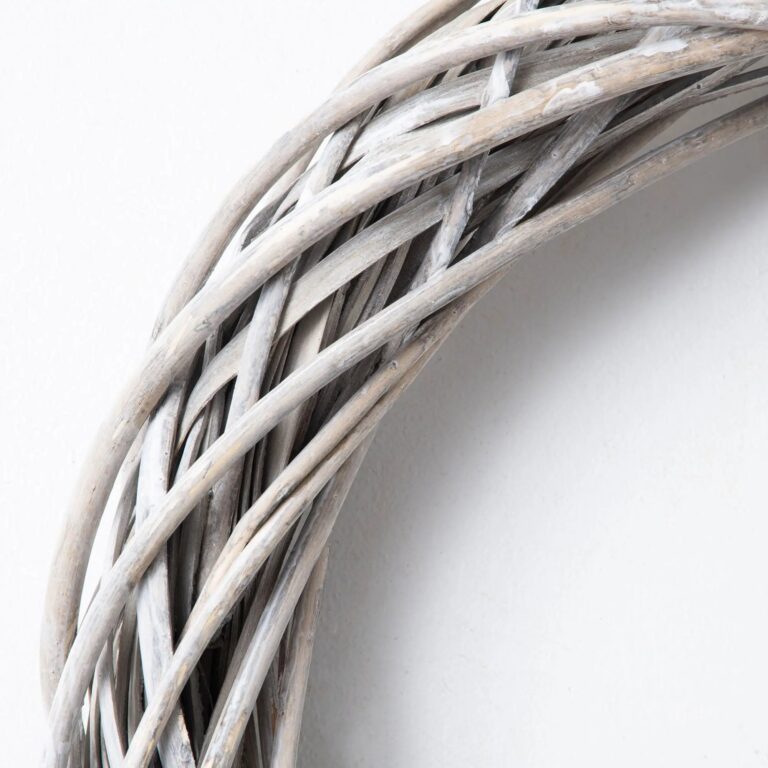
White is the anchor color of cemetery flowers — lilies, roses, magnolia and hydrangea in white carry the memorial reading in every season and photograph quietly against granite. A 36 in. real touch rose spray in white or a white magnolia bouquet drops straight into a spike vase and needs nothing else. Evergreen is the second pillar: boxwood, pine and eucalyptus pieces like the green eucalyptus wreath read as tended rather than mournful and hold color through winter. Purple carries remembrance in Victorian flower language; red belongs to veterans graves around Memorial Day. The natural grapevine pieces — like the natural grapevine wreath — dress a site in a quiet woodland register that historic cemeteries favor. One habit serves every palette: rotate with the calendar — spring pastels, summer white and green, harvest tones in fall, an evergreen piece like the pine cone wreath for winter — one piece per season keeps the site dressed all year for less than a month of fresh flowers.
Frequently Asked Questions
How long do artificial cemetery flowers last outdoors?
Fade-resistant, outdoor-rated pieces hold their color through a full season of sun and weather, and for years when rotated seasonally — a winter-only evergreen wreath can serve many winters in a row. Indoor-only silk in the same spot grays within weeks. Everything in this collection is the outdoor-rated kind, with plastic-cone bases instead of exposed foam so the structure survives frost and thaw.
How do I secure flowers at a grave so they stay put?
Match the anchor to the format: wreaths on a stand or easel beside the marker, saddle pieces clamped to the crown of an upright stone, bouquets in a ground-spike vase pushed fully into the soil. Nothing should pierce, wire, or adhere to the stone itself — every cemetery prohibits that, and none of these methods need it.
What size wreath or arrangement fits a cemetery plot?
A single grave gives roughly two by seven feet: a 14–16 in. wreath suits a single marker in a dense section, 20–24 in. is the standard single-plot size, and pieces above 26 in. belong on double plots and family markers. Keep easel displays under about three feet, and match saddles to the width of the stone cap. Most policies also cap decorations at one or two pieces per plot — the office confirms in one call.
Are artificial flowers allowed in all cemeteries?
In nearly all of them, yes — permanent artificial grave decorations are the default American practice. What varies is policy detail: the number of pieces per plot, permitted mounting methods, height caps on stands, and seasonal cleanup dates after which anything remaining is removed. One call to the office settles it, and pieces that mount without touching the stone — stands, spikes, saddles — pass every version of those rules.