
Artificial Hanging Baskets
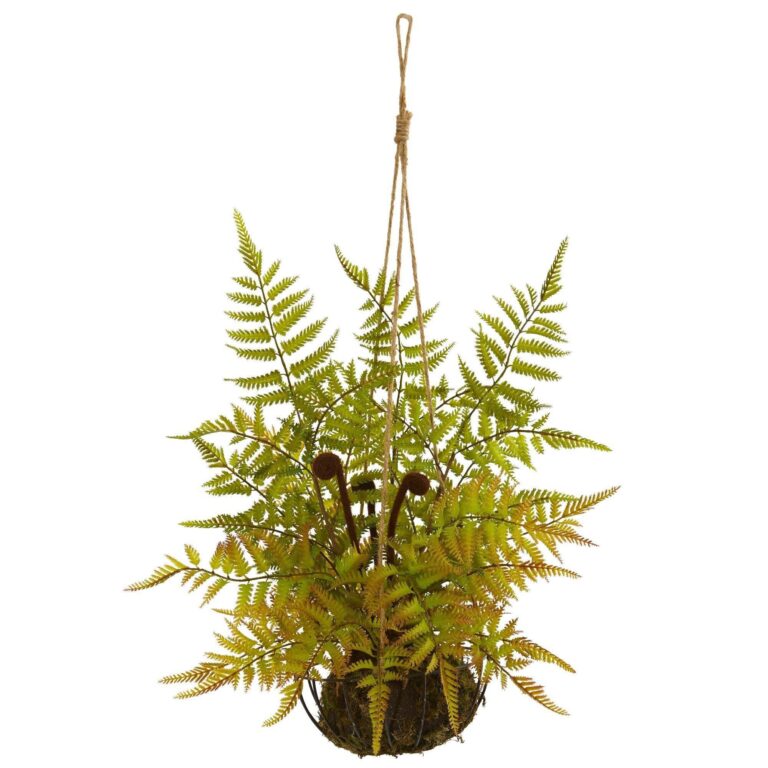
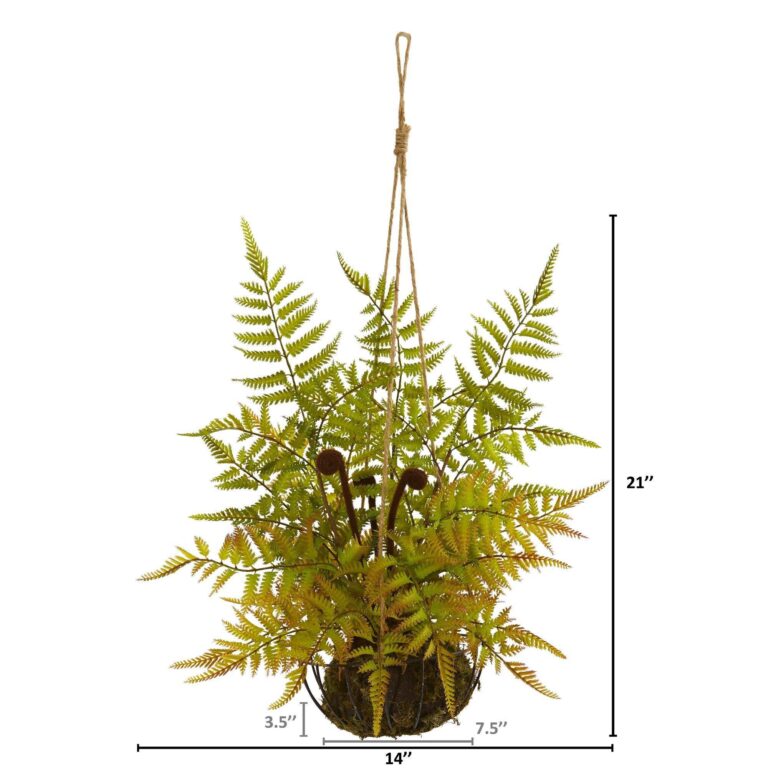
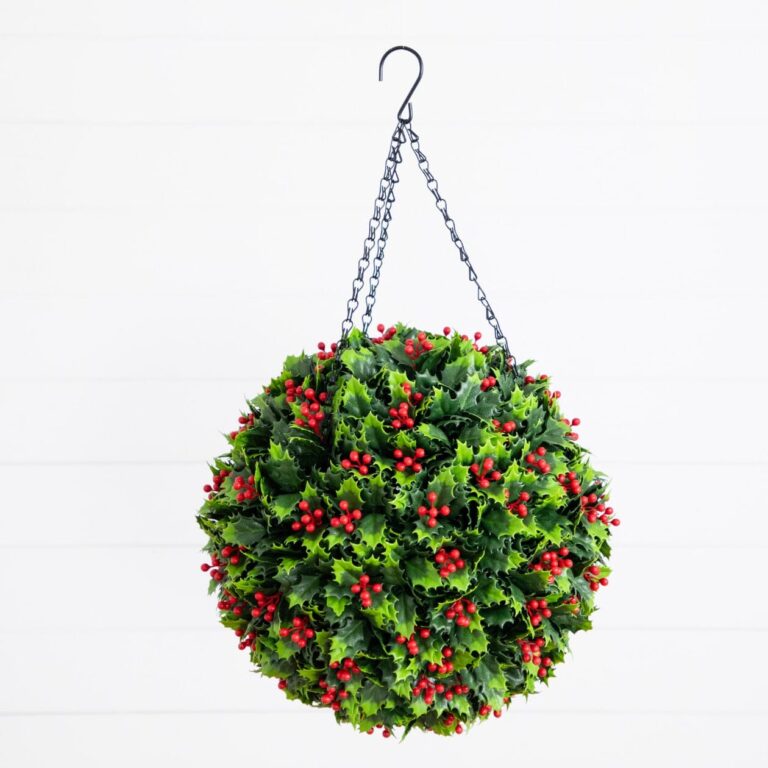
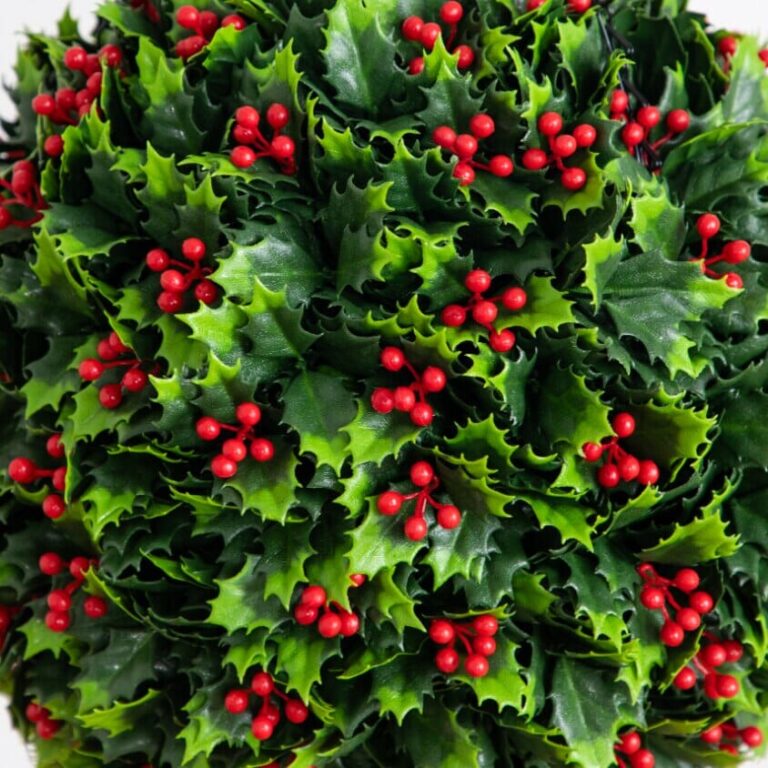

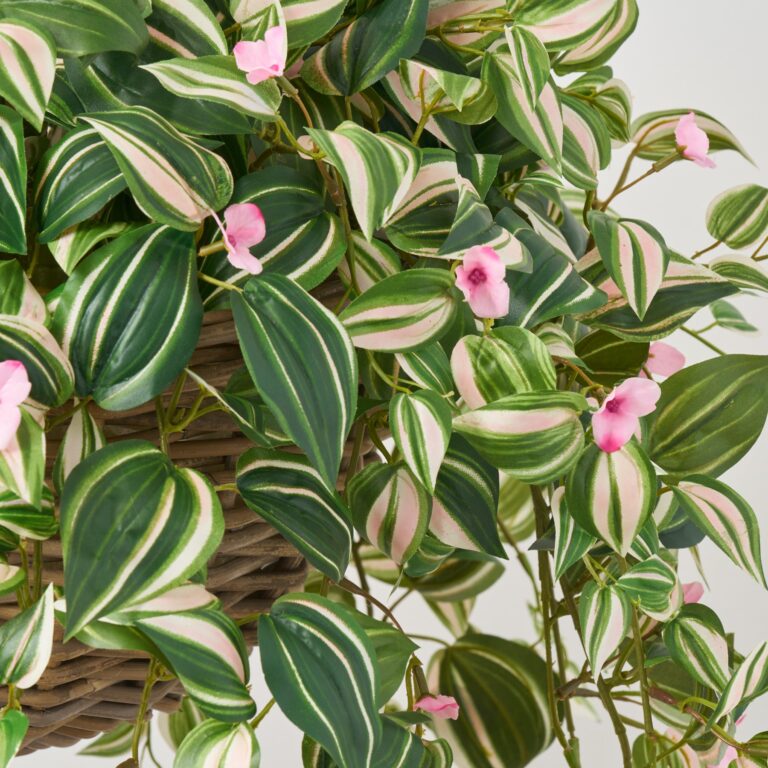
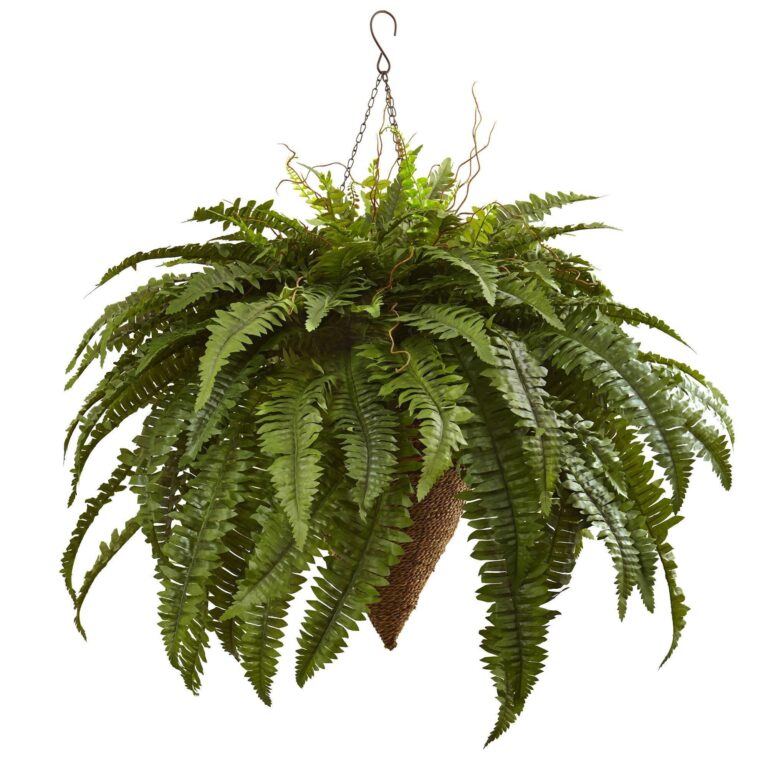
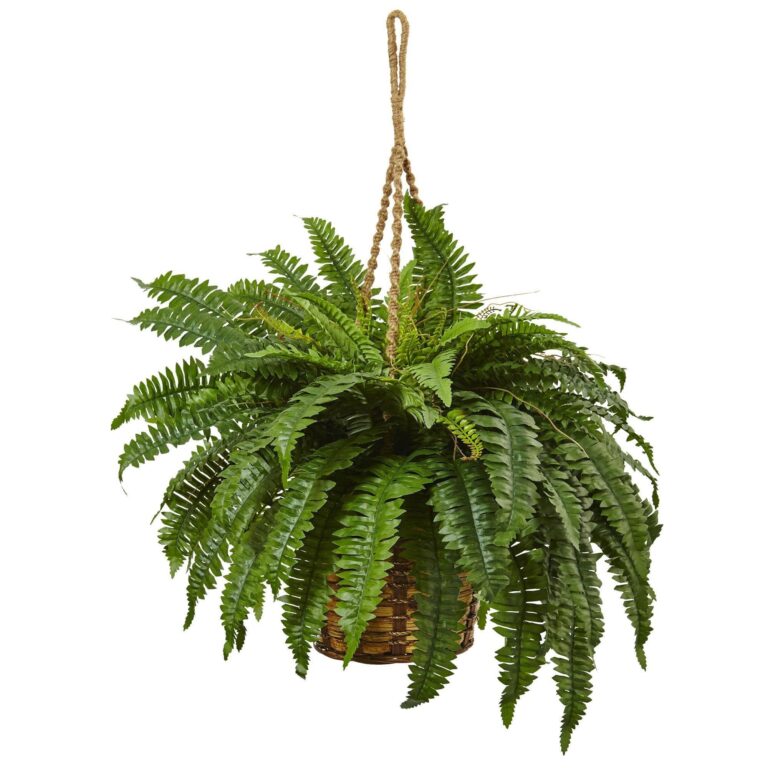
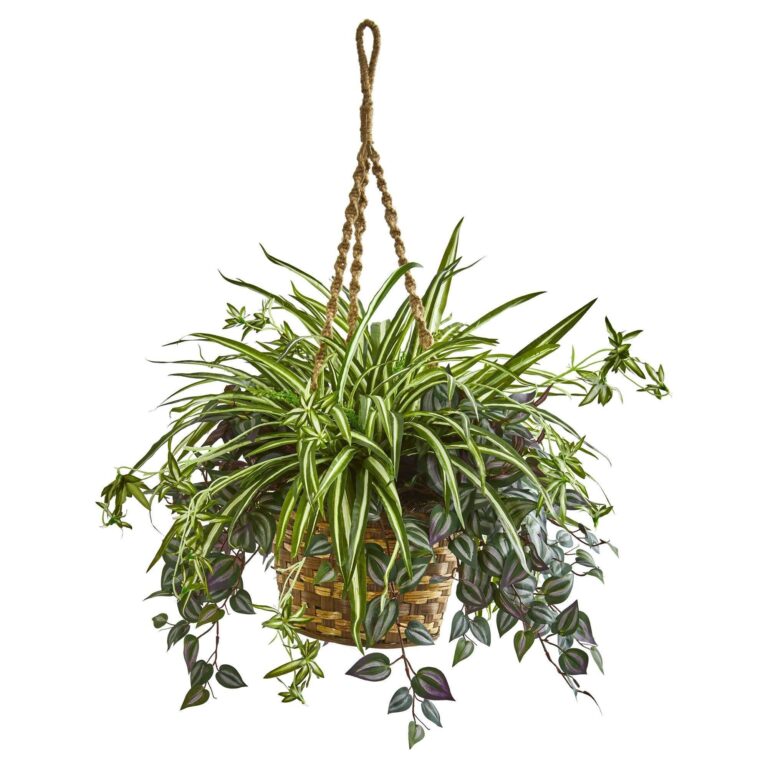
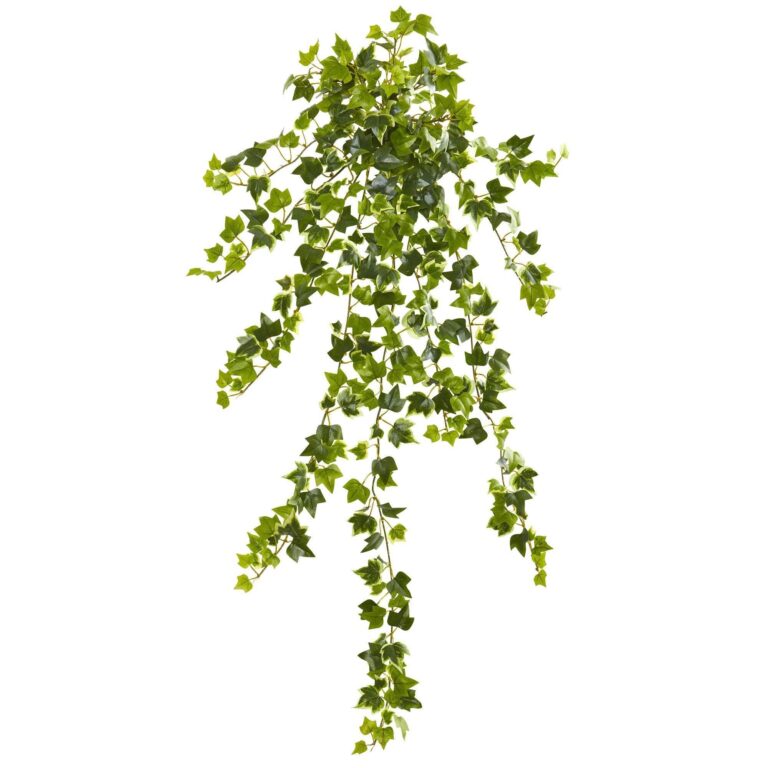
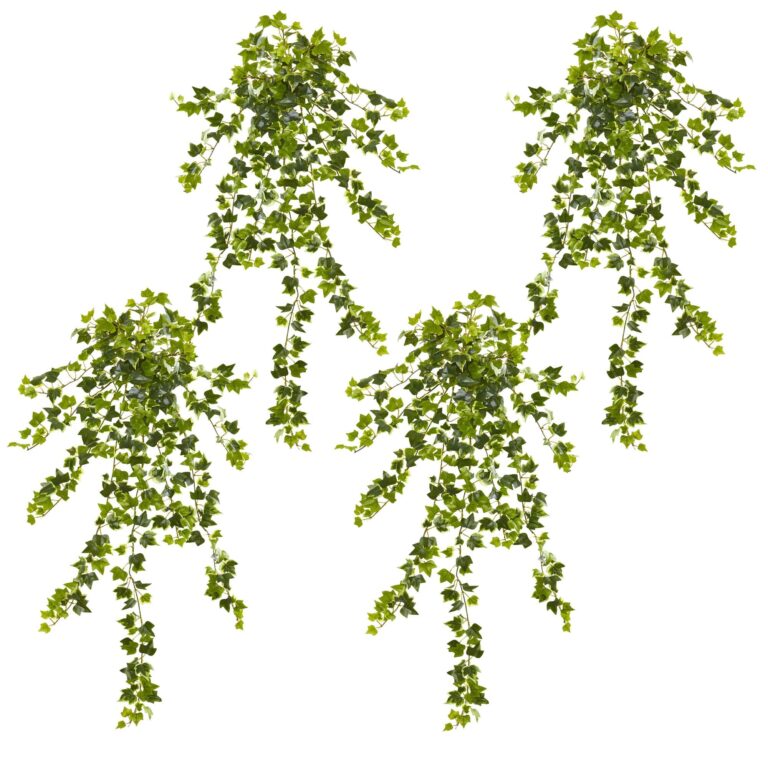
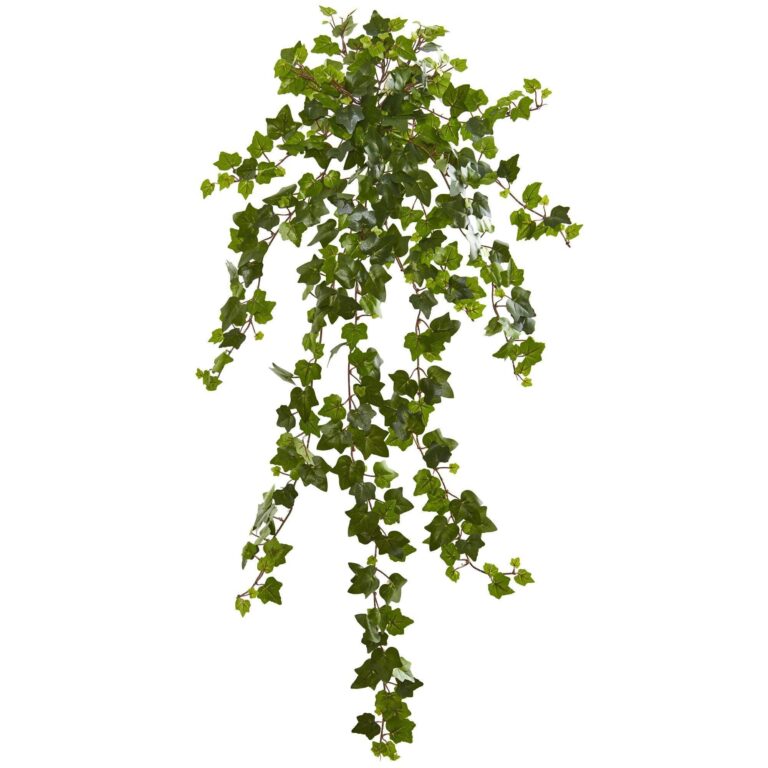
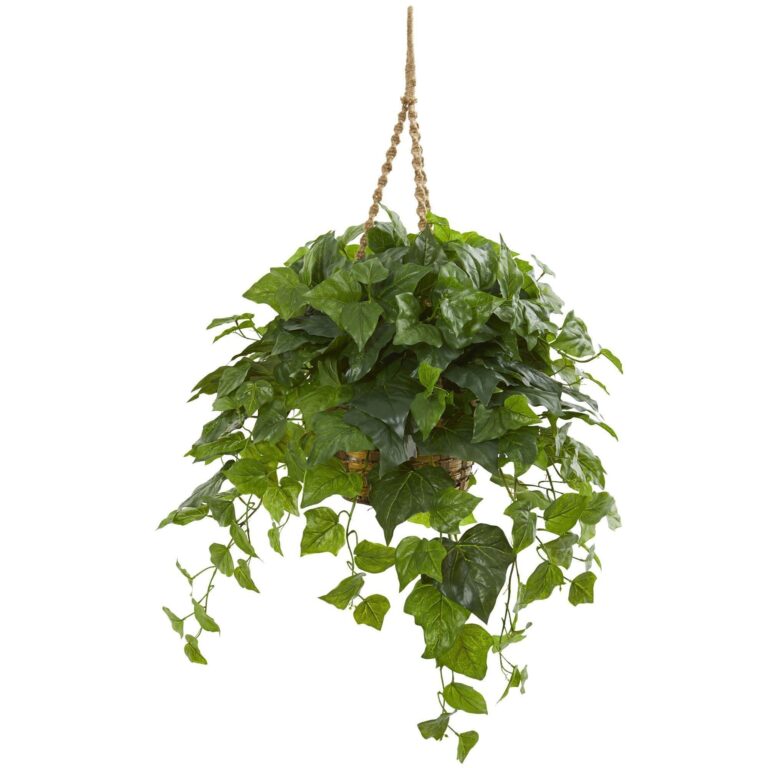
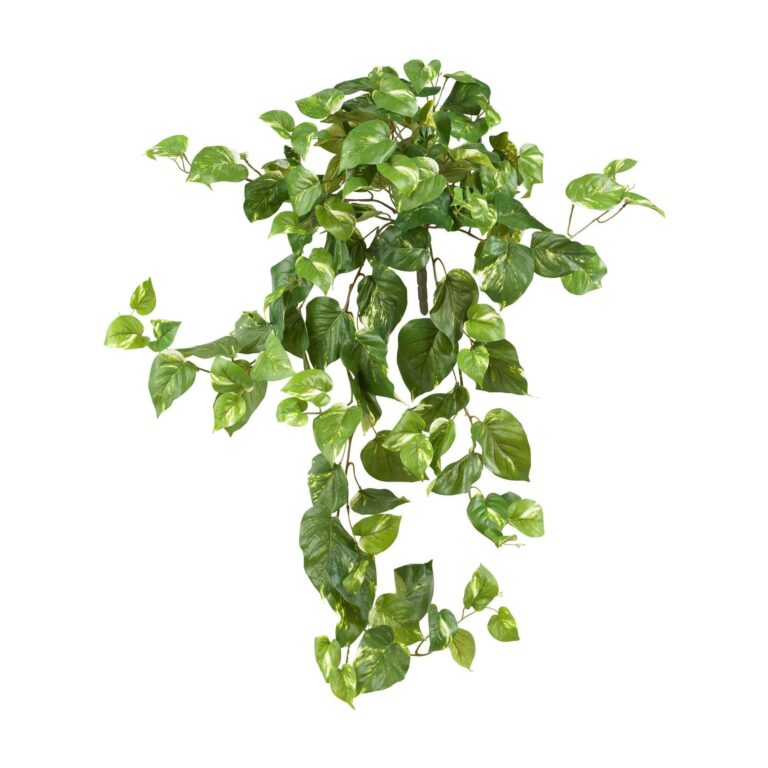

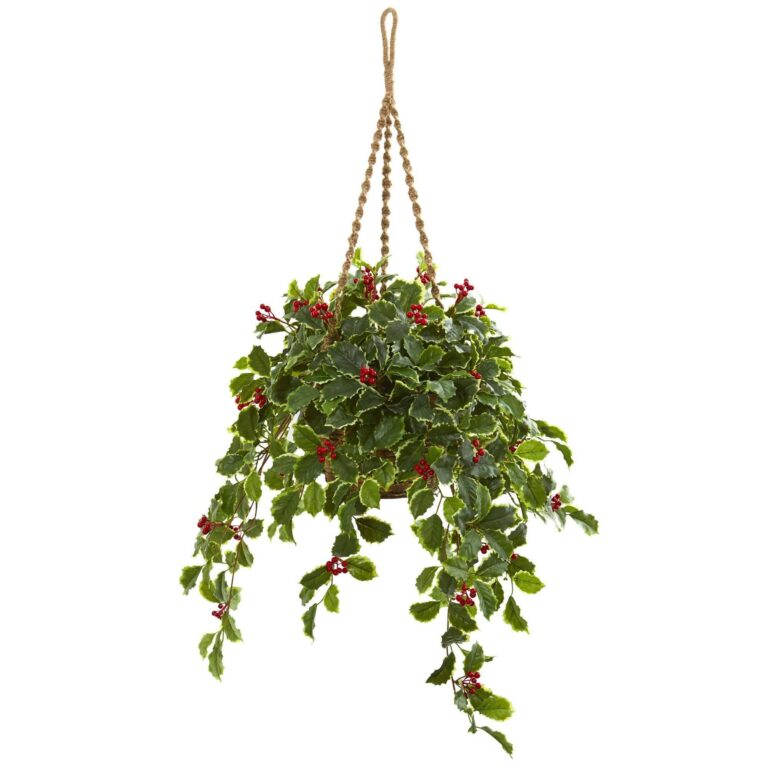


Pre-planted hanging baskets that skip the summer watering schedule — flower balls and trailing mixes in UV-stabilized materials, built into coco-lined and polyhanging baskets with chains and hooks attached. Sun exposure notes on every listing: shaded eaves, bright porches, full-sun south faces each get their own picks. No basket waters itself; these never need it.
Quick answer: A real hanging basket is a twice-daily watering commitment that peaks in June and dies in August; the artificial version holds the June cascade all season, every season. Choose by spill: 12-inch baskets suit single hooks and small porches, 14–16 inch bodies carry the street-visible cascade. And mount for wind — a basket loads its bracket like a sail.
Artificial Hanging Baskets, Explained
What arrives, exactly
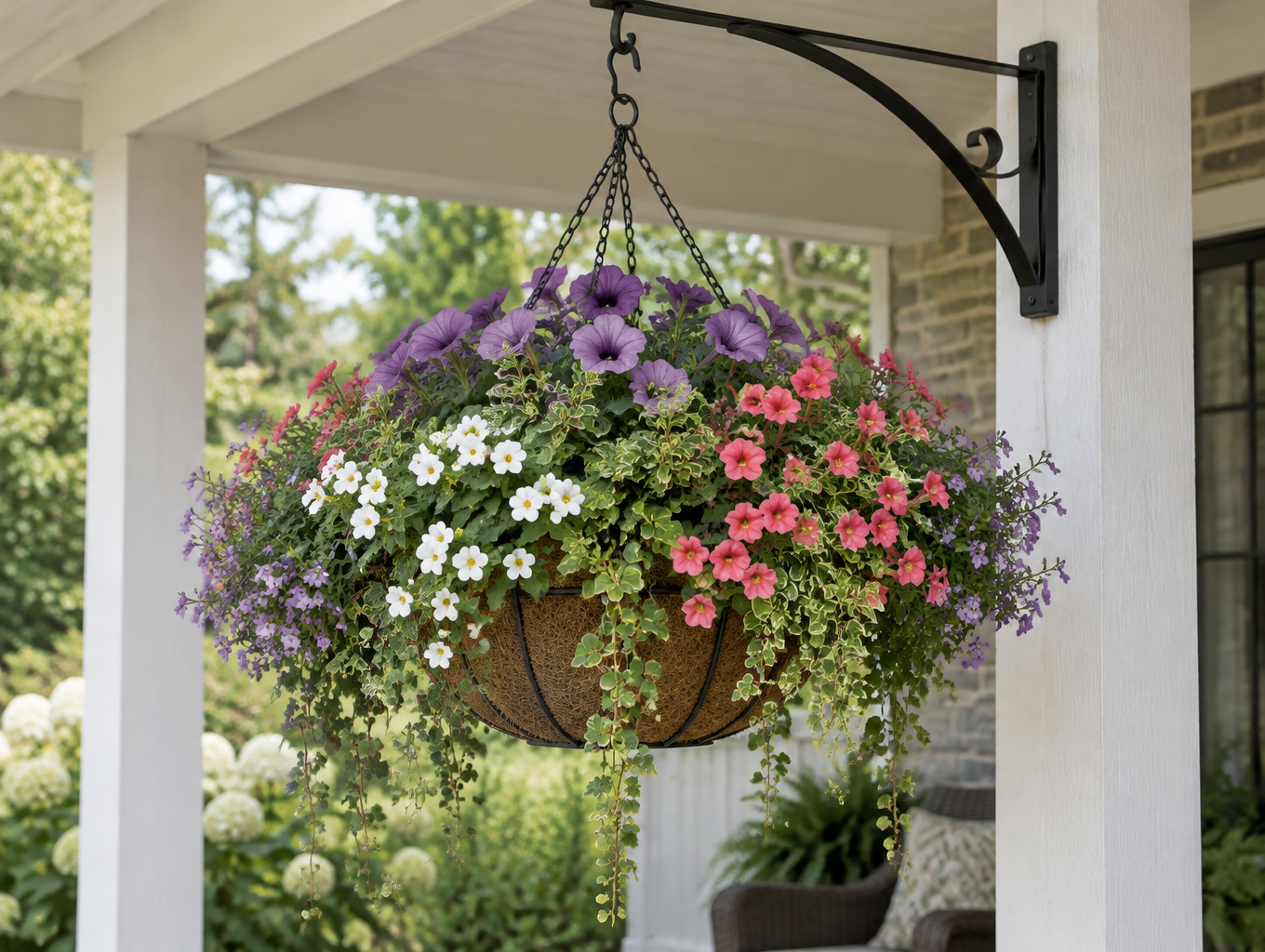
A complete unit: the basket (coco-fiber liner on a wire frame, or a poly hanging basket in green or charcoal), the planting (flower ball on top, trailers woven down the sides), and the hardware (chains and an S-hook, ready for a standard ceiling hook or eave bracket). Every listing photographs the exact basket that ships and states what is included — liner, chains, hook — so there is no assembling a surprise. Sizes run roughly 10 to 14 inches across the basket in this shop, with the planted spread reading larger once trails drop; at the market's statement end, 14–16 inch bodies carry the full cascade that reads from the street.
The watering math this replaces
A live hanging basket in summer is a twice-daily commitment — hanging baskets dry out faster than any container because sun hits the top and wind dries the sides, and one missed August watering finishes the display. They are the hardest floral format to keep alive and the easiest to see fail, which is what makes them the format artificial wins outright: the replacement cost of one dead basket run pays for the faux version, and the faux version starts fully grown, in flower, on day one — the identical June look held all season with zero irrigation, zero deadheading and zero seasonal replacement. The trade, stated plainly: what you gain in schedule you trade against the texture and scent of the real thing at close range.
Four basket builds, honestly compared
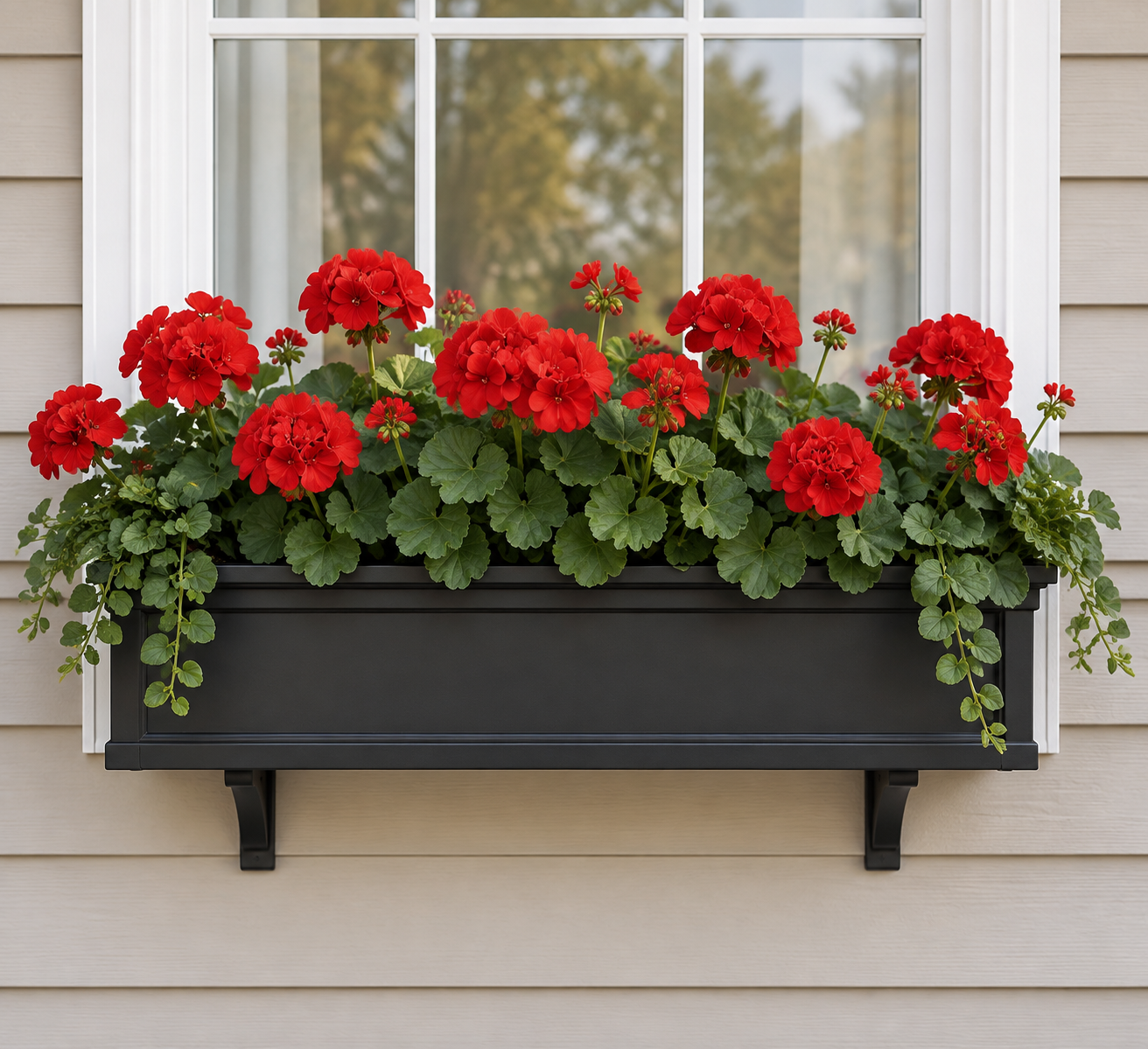
Sun, exposure and the honest ratings
Hanging spots span the full exposure range, so every listing carries a sun note. Shaded eaves and north porches: any build holds color for years there. Bright east and west exposures: the standard stabilized materials run multiple seasons. Full south sun all day: the top fade-rated builds, the same stabilized materials as our UV resistant collection, because a hanging basket in the south sky takes the same UV budget as a bed in it — by climate, expect roughly 2–4 seasons of strong color in full sun versus multiple seasons under cover. Wind matters more for baskets than beds — spinning and banging chokes chains and snaps trails, so exposed brackets want a tether or a sheltered swap-in routine for storm days.
Wind, brackets and the sail problem
A hanging basket is a sail with a handle — even a light artificial basket loads a bracket hard in gusts, because wind force scales with surface area, not weight. The hardware rules that keep baskets up: rated brackets screwed into structure (not siding), shepherds' hooks with a wide foot and a stone on the base, and a swivel hook between bracket and basket so the whole assembly spins with the wind instead of fighting it. In genuine wind corridors — coastal and open-plains exposures — the resin bodies and tight-built plantings shed gusts better than loose cascades, and bringing baskets in before named storms is the honest rule everywhere. The same weather logic at door level runs on the outdoor wreaths and UV-resistant flowers pages.
Placement, mounting and season changes
Porch ceilings, eave brackets, pergola beams, fence posts, shepherds' hooks and tree limbs are the map — anywhere a ceiling hook or bracket holds 10–15 pounds. Hang at eye-to-overhead height with 6–8 feet of clearance below for trails. The scale rule from the pros: odd groupings — one big statement basket, or three staggered — read designed, while two matched baskets read like entrance sentries, which is exactly right flanking a front door andnowhere else. The seasonal swap is the artificial basket's quiet advantage: pull one S-hook, hang the next, and the spring pastel basket becomes the summer trailing mix without re-planting anything. Off-season, a shelf in the garage stores them stacked; come spring, five minutes of fluffing the trails and they re-hang.
How to Choose an Artificial Hanging Basket
- Read the exposure first.
Shaded eaves take any build; bright porches run stabilized materials; full south sun wants the top fade-rated picks — sun notes on every listing.
- Pick ball or trail.
Flower balls read formal and full from below; trailing mixes read cottage and move in wind — the shape sets the porch's whole personality.
- Size to the bracket.
10–12 in. baskets suit hooks and posts; 14 in. carries pergola beams and grand porches — planted spread reads larger than basket diameter. Front-door symmetry runs the same basket as a Set of 2 for double-hook entries — pairs ship as one listing with two units, not two orders to match.
- Check the wind card.
Exposed brackets spin and bang — rated bracket into structure, swivel hook, tether the chain or swap the basket sheltered ahead of storms; wind is mounting, not material.
- Rotate by S-hook.
Spring pastels to summer trails to fall mixes — one hook pull per season, stacked shelf storage, five minutes of fluffing to re-hang.
Frequently Asked Questions
Do artificial hanging baskets look good?
At their working distance — the distance hanging baskets are actually viewed from, 6 to 15 feet below and across, moving in the breeze — the ball-and-trail silhouettes read as planted baskets, and spill-heavy cascades read from the street exactly like the June photo. Up close, petals read as the materials they are (the spec is on every listing), which is why eye-level hooks near seating suit the detail-built upright formats. If close-range botanical texture is the priority, the answer is a live basket with its watering schedule; if the priority is a full basket that never browns out in August, this is the better tool.
How do you hang an artificial flower basket?
The basket arrives with chains and an S-hook attached, so the job is anchoring one point: a ceiling hook into a porch joist (the solid answer, rated far past a basket's 10–15 pounds), an eave bracket screwed into trim, a wide-footed shepherd's hook staked and ballasted with a stone, or a fence-post bracket. Hang at eye-to-overhead height with 6–8 feet of clearance below so trails have room. Treat the basket as a sail, not a weight: rated brackets into structure rather than siding, and a swivel hook between bracket and basket so the assembly spins with gusts instead of fighting them.
Can artificial hanging baskets stay out in the rain?
Yes — rain is the easy axis here. The stabilized PE and polypropylene plantings shed water and dry without spotting, and the coco and poly baskets drain by design (that is what they were built for in live service). What rain plus wind adds is motion, so the real weather notes are about mounting: tether spinning brackets, and pull baskets to a sheltered spot ahead of named storms the way you would any porch item. Sun remains the axis that ages them — sun notes are on every listing.
How long do artificial hanging baskets last outside?
Set by the sun budget, per the exposure notes on each listing: shaded and north-facing brackets hold color for years — many owners run the same basket five-plus seasons; bright east/west exposures run multiple seasons on standard stabilized materials; full south sun spends the fade ratings fastest, at roughly 2–4 seasons of strong color by climate. The natural coco liners silver and brown over time, which reads as patina rather than damage — resin bodies skip that aging entirely. The end-of-life pattern is honest and gradual: colors drift soft before anything structurally fails, and faded-but-intact baskets step down to shaded corners for extra seasons.
What sizes do artificial hanging baskets come in?
Basket diameters run roughly 10 to 14 inches across this shop, with the market's statement builds at 14–16 inches, and the planted spread reading larger once trails drop — a 12-inch basket presents like a much bigger mass of color from below. Match the size to the anchor: 10–12 inch baskets suit hooks, posts and standard brackets; 14 inch and up carries pergola beams and grand porches where a smaller basket reads lost. The grouping rule: one big statement or three staggered read designed; two matched read like sentries — right flanking a door, nowhere else. Every listing states the basket diameter and planted dimensions, photographed as the exact unit that ships.
What are the most popular types of artificial hanging baskets?
Boston fern and pothos baskets are the shaded-eaves staples — full, green, and the closest silhouettes to the live versions they replace. Geranium and petunia baskets carry the classic flower-ball porch look, and they are where most front-door symmetry starts; calibrachoa and fuchsia builds round out the mound families. Bougainvillea is the full-sun pick: the bloom mass that takes south-facing brackets all summer is the same one that fades fastest in live form, which makes it the most sensible faux swap in the category. Ivy and daisy trailing mixes round out the cottage end. Every listing names its planting, so the variety follows the exposure card on the listing, not the other way round.
How do I clean an outdoor artificial basket?
Rain handles most of it, and a cool hose rinse twice a season handles the rest — the outdoor builds are washable by construction, which is part of what the material spec buys. A soft brush clears coco-liner texture where dust collects. The one avoidable: pressure washers, which strip petals and blast liners apart — low pressure from a garden hose does everything needed. Indoors, a monthly soft-brush pass over trailing foliage is the whole schedule.
Can I use an artificial hanging basket indoors?
Yes — the same baskets hang from ceiling hooks, plant stands and bathroom brackets indoors, and indoors is the gentle end of the category: no sun budget to spend, so any build holds its color indefinitely, and the watering math matters most in the rooms people forget to water — bathrooms and high corners included. Two honest notes: dust collects on trailing foliage the way it collects on any décor, so a monthly soft-brush pass is part of indoor service; and bathroom humidity is a non-issue for the plantings, though metal chains appreciate an occasional wipe.
Do the baskets come with chains and hooks included?
Yes — chains and an S-hook ship attached to every basket, and each listing photographs the exact hardware that ships, liner included: there is nothing to source separately, and the unit hangs straight off a standard ceiling hook or eave bracket rated well past a basket's 10–15 pounds. What varies by listing is chain length, which is stated per product alongside the basket diameter and planted dimensions.