

White Artificial Flowers
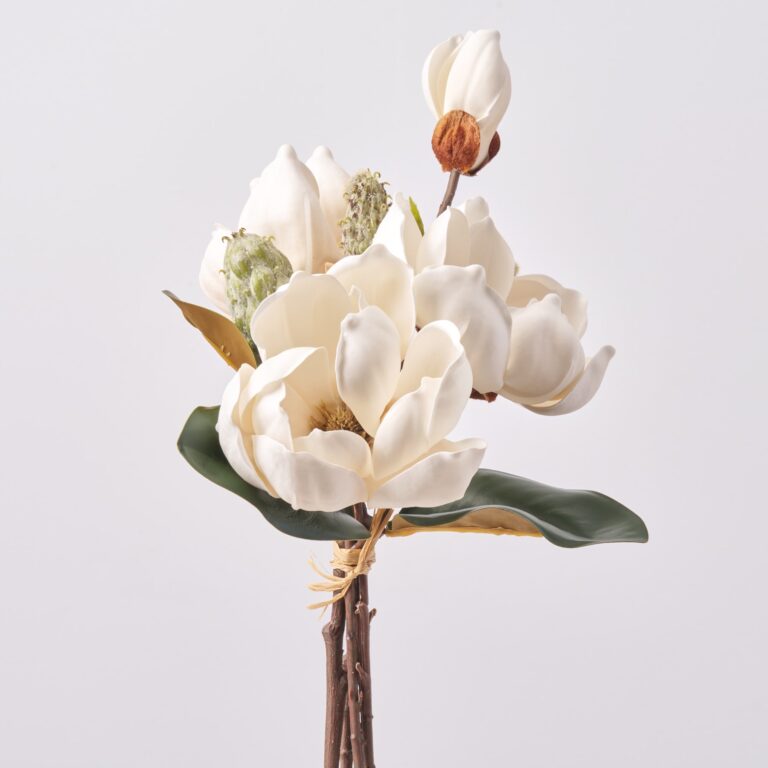


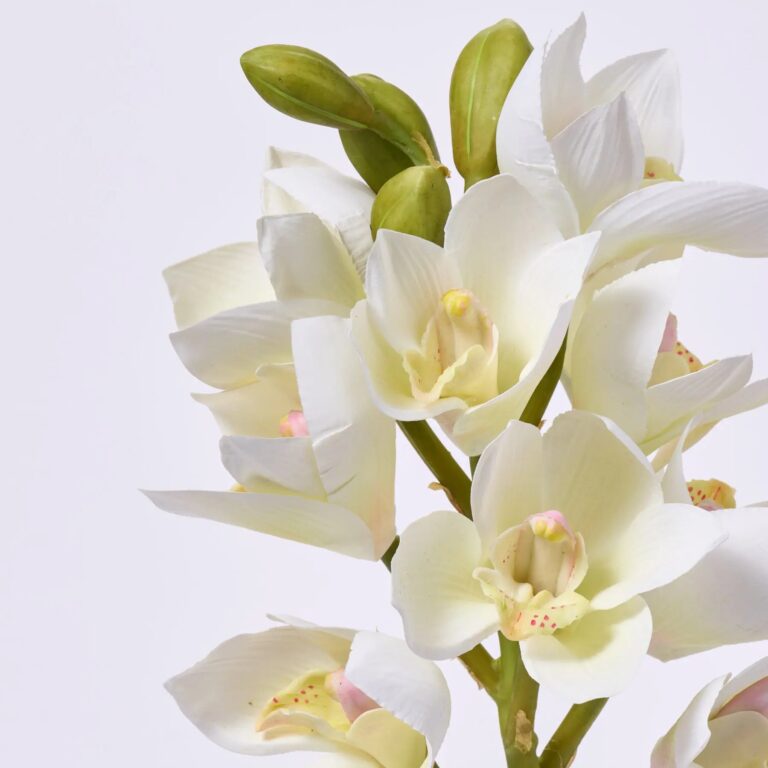
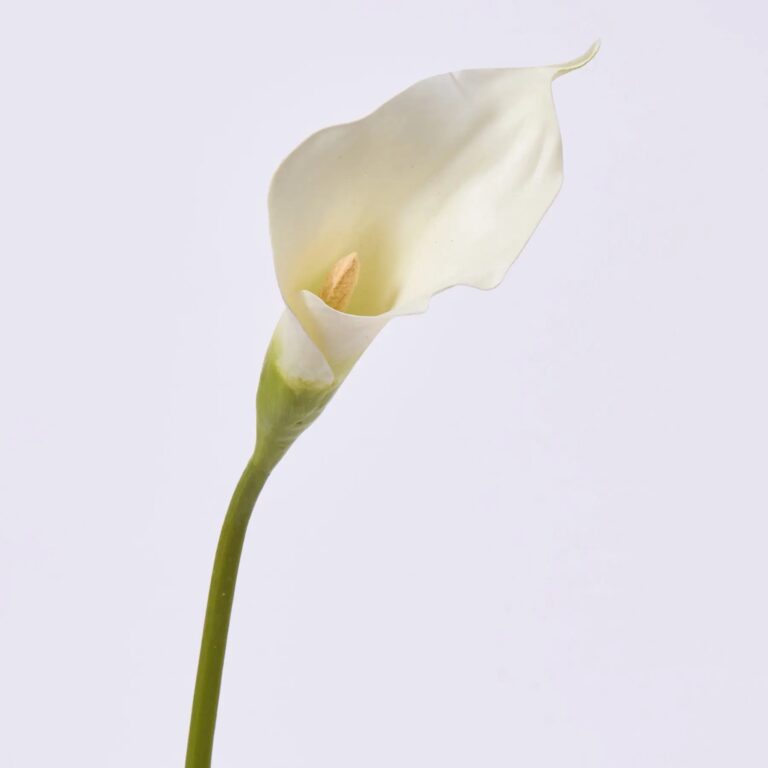


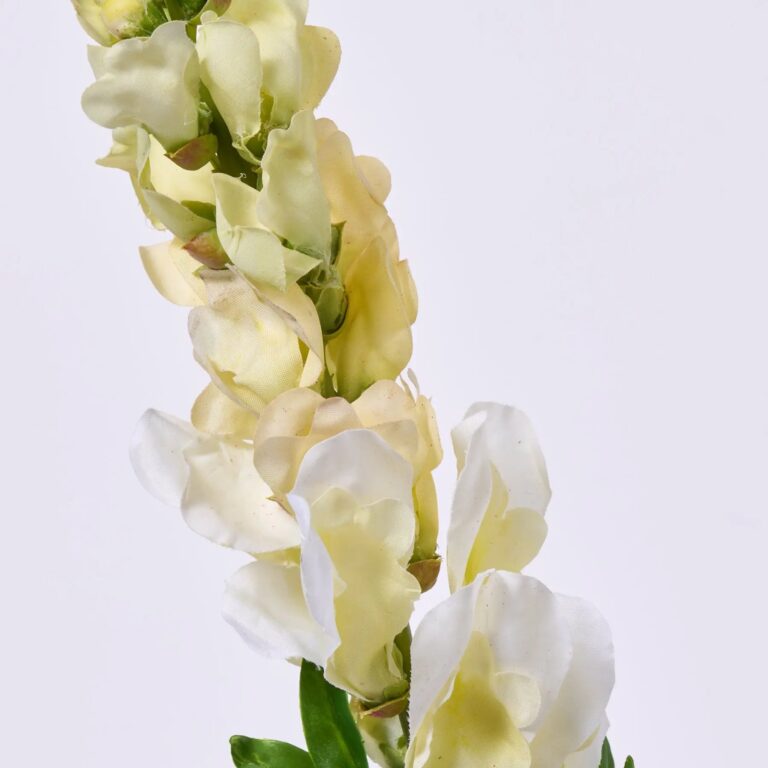
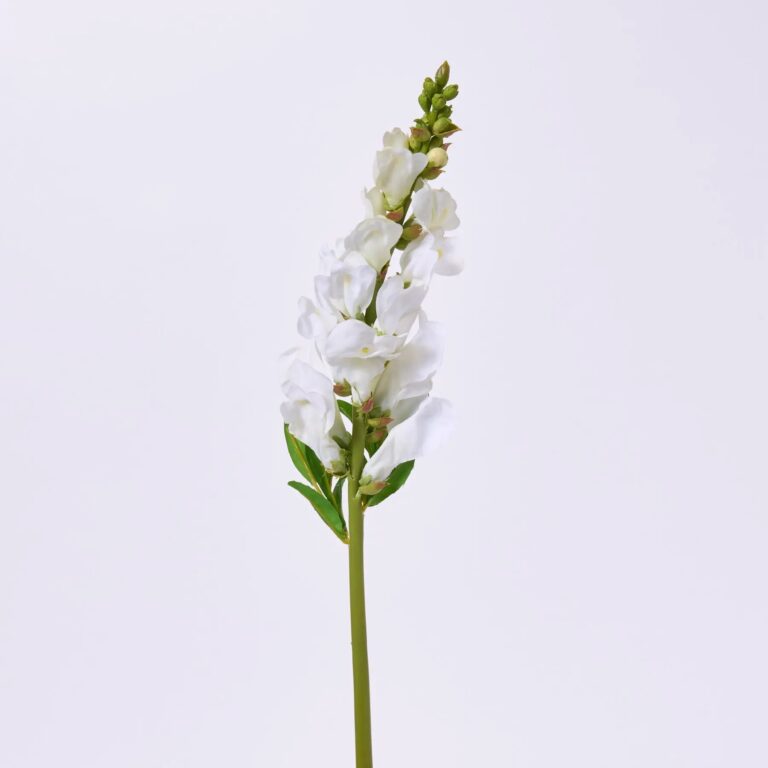
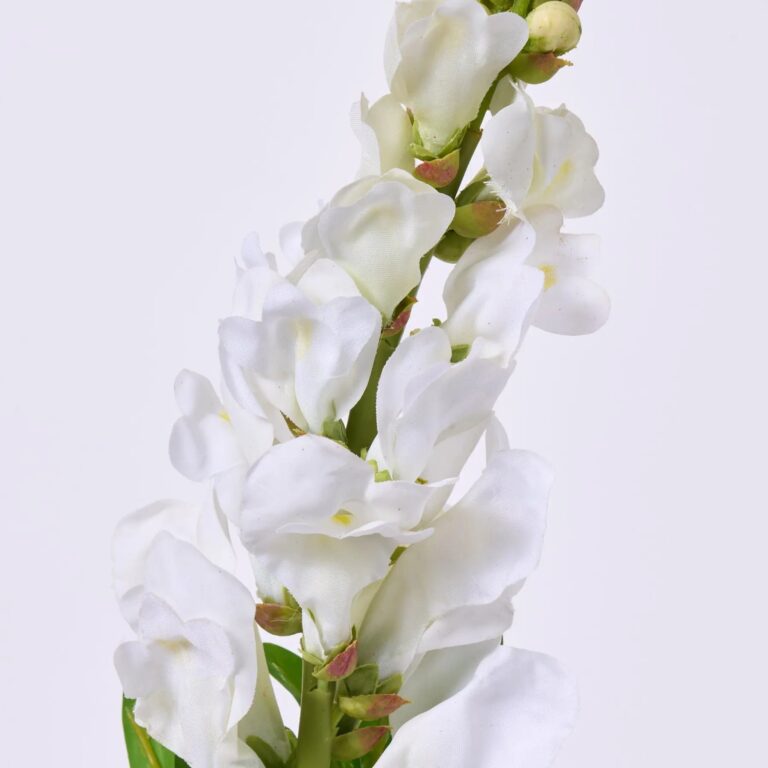
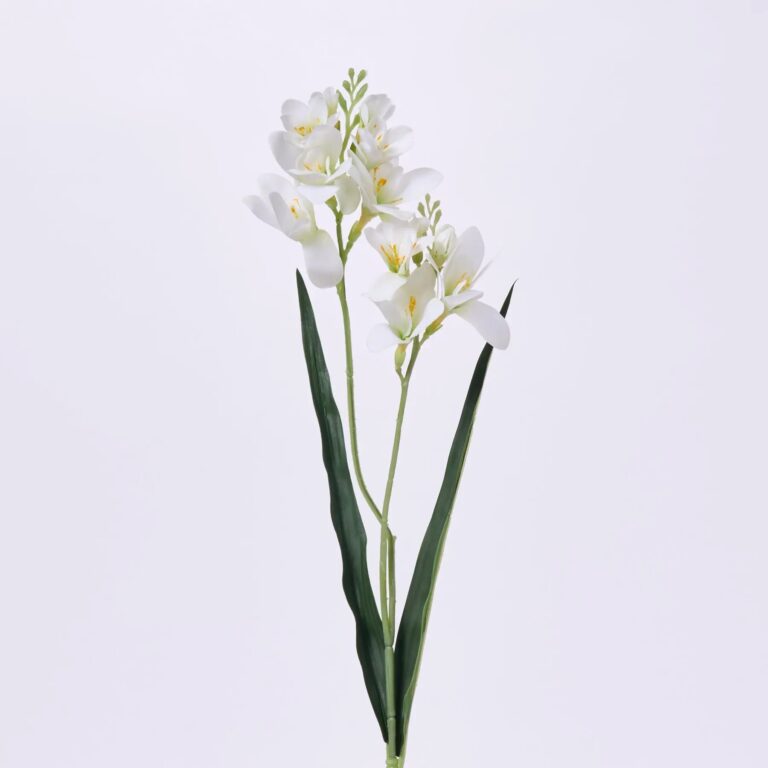
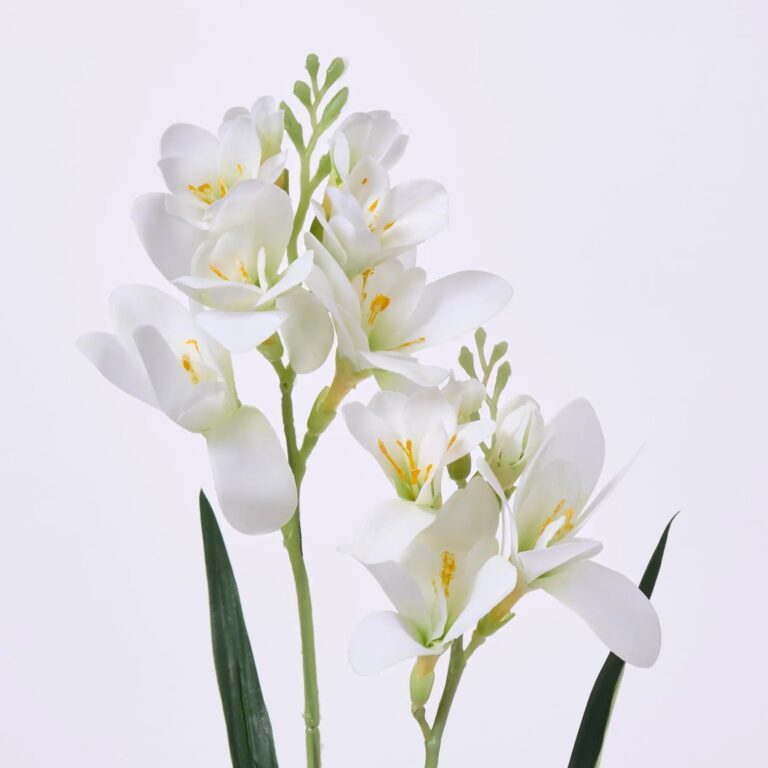


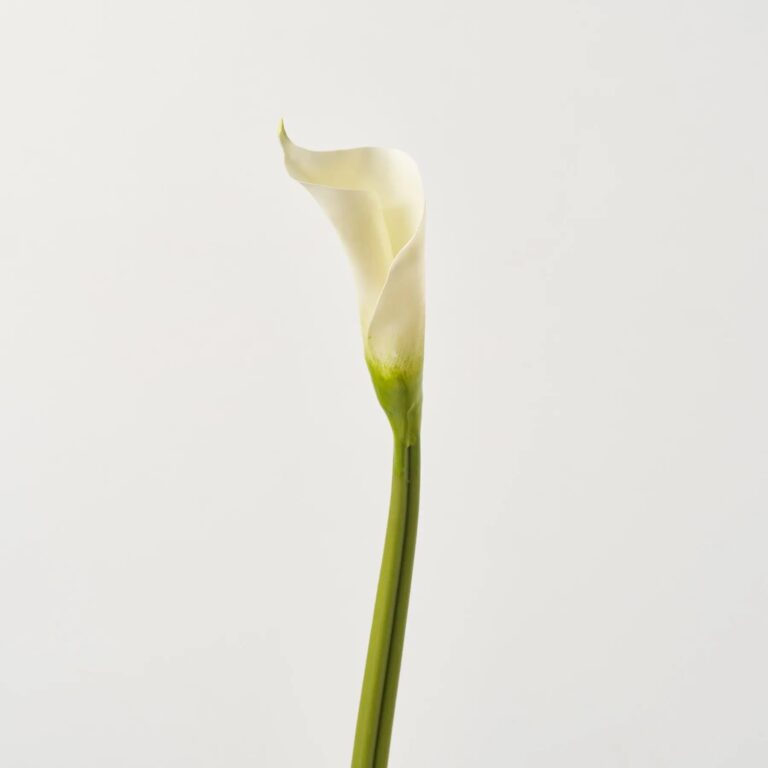
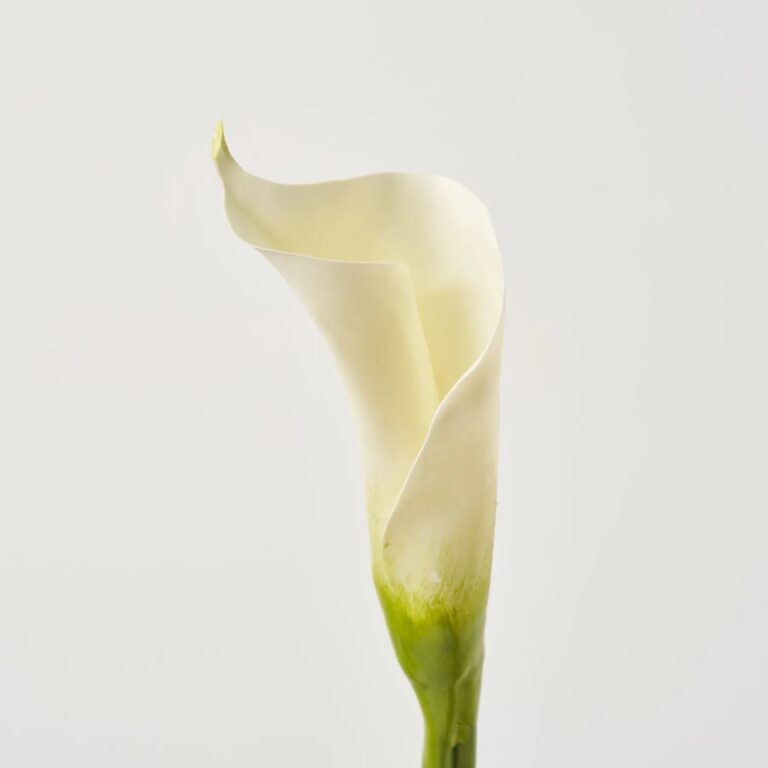


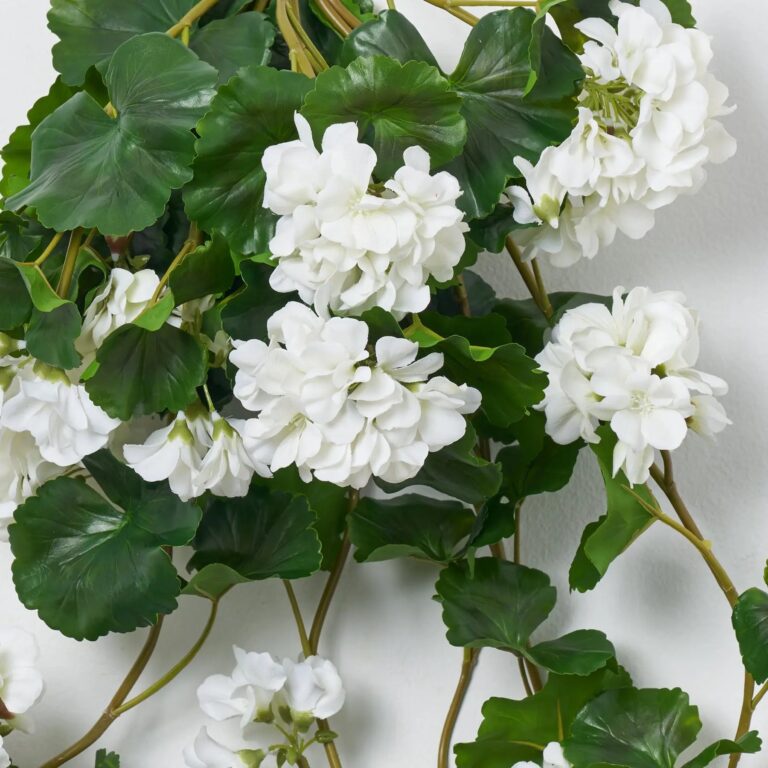


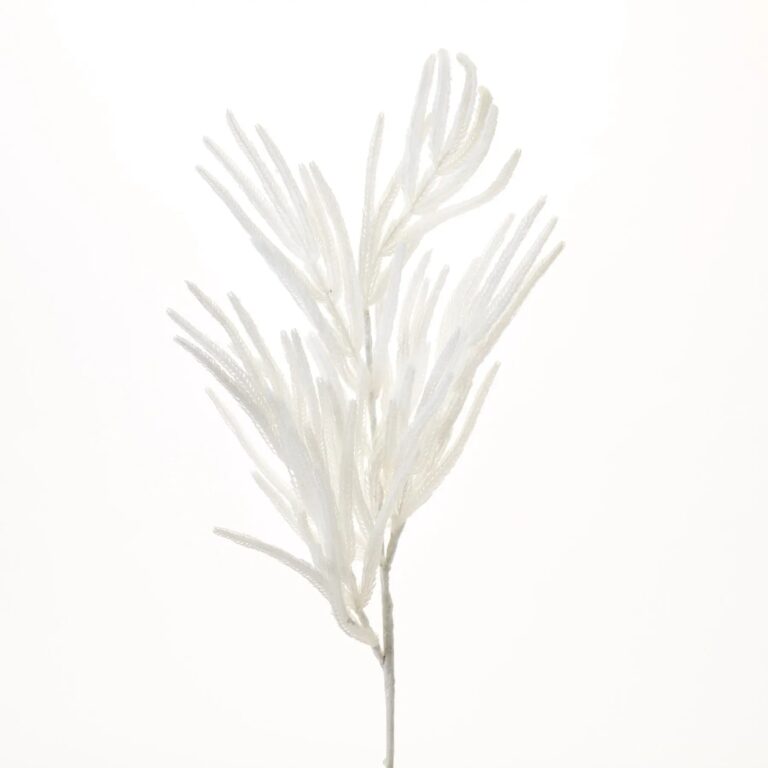
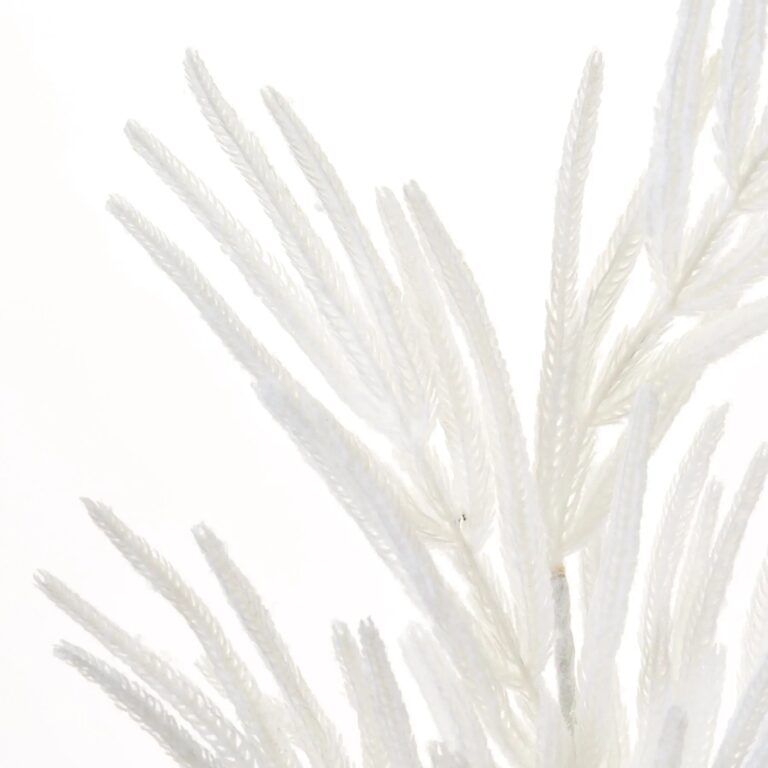
White is the color every other color gets measured against — and the one that works in the most rooms: wedding aisles and ceremony arches, gallery-white walls, quiet bedrooms that need one soft shape instead of color. This collection holds the whole white range in one page — loose stems, potted pieces and finished arrangements — with bloom, greenery and stem materials stated on every card.
Quick answer: White is the color every other color gets measured against, and faux makes it easy to place: stems 18-24 in, potted pieces 8-14 in, finished arrangements 10-20 in — single stems from $13, potted $29-58, finished $40-180, free US shipping over $200. Start by the job: ceremony work, gallery-white walls, or quiet bedrooms and baths.
The 30-Second White Pick
- Start here: pick the white's job first — ceremony work leads with Wedding & Ceremony, quiet rooms take White & Green, and a bold console takes a Statement piece.
- Materials per piece: fabric, PE-film or latex-touch petals, wired stems — stated bloom, greenery and stem separately on every card.
- Heights: stems 18–24 in for your own vases; potted pieces 8–14 in; finished arrangements 10–20 in — exact H×W per listing.
- Price band: single stems from $13, potted pieces $29–58, finished arrangements $40–180; free US shipping over $200.
Why white, and where it works hardest
White reads as calm, order and ceremony — which is why it anchors three very different rooms: the wedding (where white stems and greenery are the traditional building blocks), the gallery-white wall (where one sculptural piece replaces art), and the quiet bedroom or bath. White is also the kindest color for gentle gestures — a sympathy piece, a new-home gift — because it carries no scheme of its own to clash with the recipient's. One honest note: all-white pieces are inspected more closely than any mixed palette, so material grade shows first here; every card on this page carries close-up photography of petals against greenery for exactly that reason.
How to Choose White Faux Flowers
Four decisions — white is easy to place and hard to fake, so material gets a vote early.
- How much white?
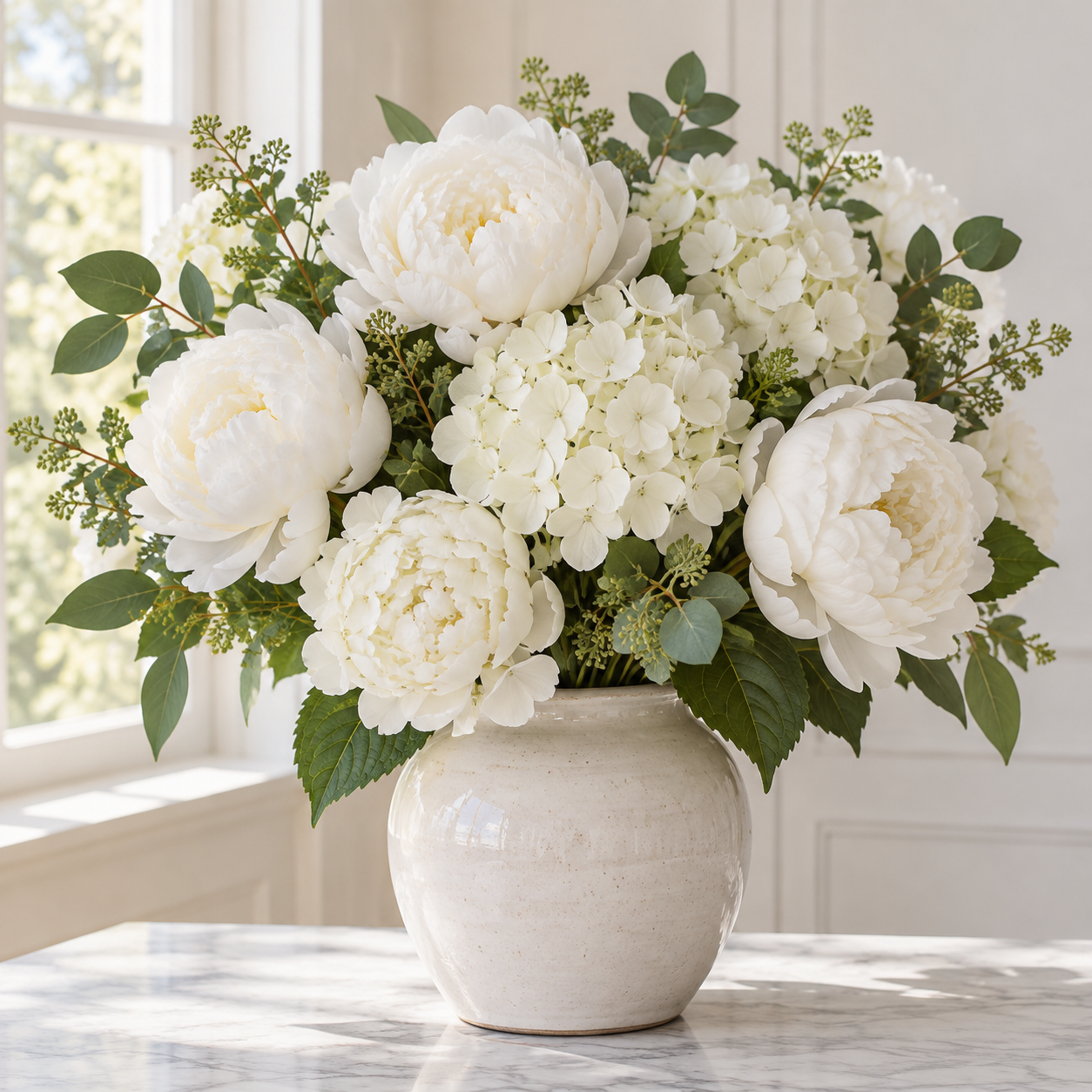
One white statement piece reads sculptural; white spread across a room (nightstand plus bath plus console) reads serene and deliberate. All-white arrangements lean formal — the more white mass, the more formal the room reads.
- What room is it for?
Weddings and ceremonies pull from the ceremony group; bedrooms and baths suit white-and-green compositions; entry consoles and dining tables carry the statement pieces. White on beige walls reads crisper than white on true-white paint — check the pairing in daylight.
- How close will people stand?
White shows petal material first — no pattern to hide behind. Pieces at arm's length (nightstands, held bouquets) deserve the latex-touch line; across-the-room statements read fine in standard fabric.
- Daylight or lamplight?
Cool daylight keeps white crisp; warm evening lamps pull it toward cream. If the piece lives under warm bulbs, compare against a warm-lit photo — every listing here states its materials, and close-ups show the petal depth that lighting will shift.
Frequently Asked Questions
What do white flowers mean in home decor?
In decorating terms, white reads as calm, order and space — it is the closest flower color to architecture, which is why designers use it on gallery walls, in baths and in bedrooms rather than only at ceremonies. Culturally it carries celebration in Western wedding tradition and quiet respect in sympathy gestures. Practically, white is the highest-flexibility purchase in faux flowers: it joins any existing palette without arguing with it.
What colors go well with white artificial flowers?
The three workhorse pairings: white plus green (the most durable combination in decorating — every piece in the White & Green group is built that way), white plus gold metallics (formal, wedding-adjacent), and white plus blush (soft, romantic). All-white-on-white is the fourth route — sculptural and gallery-like, but it puts petal material on display, so it rewards the better material grades.
What are white artificial flowers made of?
Petal and leaf materials are stated per product — across this collection you will find polyester-blend fabric, PE film and latex-touch pieces, with wired stems for shaping. The greenery is specified at the same material grade as the blooms, and every card lists bloom, greenery and stem separately rather than one catch-all word — the spec that matters most on an all-white piece.
How do I clean white artificial flowers?
A cool hair-dryer burst or soft brush weekly, and a barely damp cloth every couple of months. White shows dust before any other color, so the weekly pass earns its keep. No water on latex-touch petals — wipe-only for those. The full method by material is in our cleaning guide.
Can I use white artificial flowers for a wedding?
Yes — white stems and white-with-greenery are the traditional building blocks of aisle markers, pew ends, arch greenery and table pieces. Two routes: the ceremony group on this page for piece-by-piece buying, or the wedding line for finished work — bouquets, arch sets and packages priced per table. For pieces that will be held or photographed close, the latex-touch line is the standard choice.