
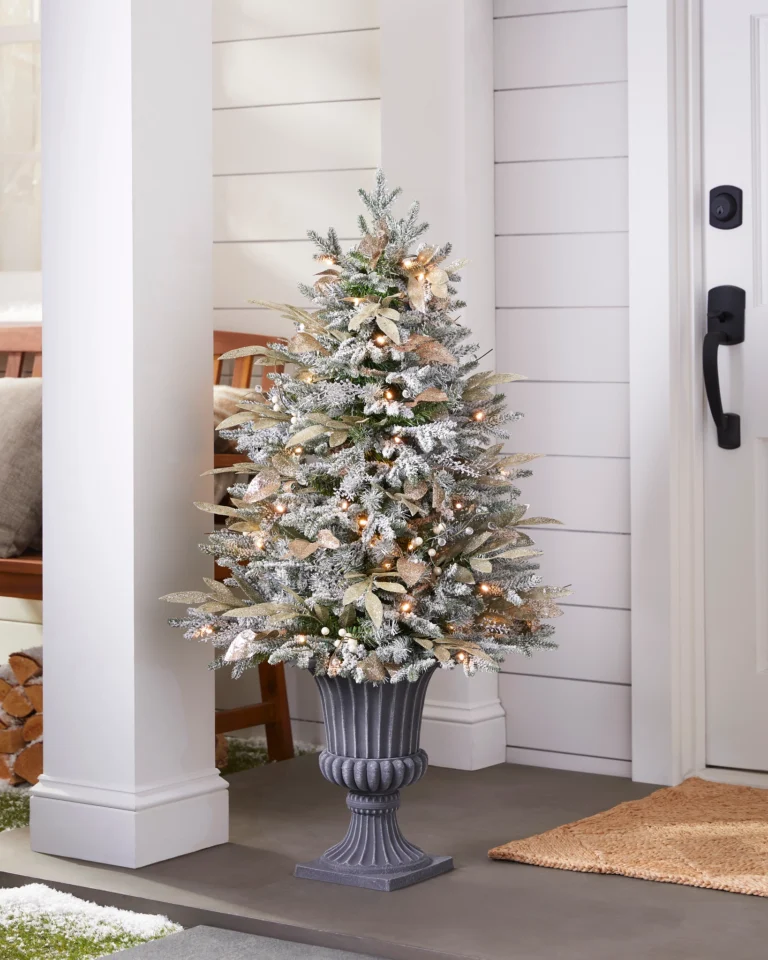

Champagne & Crystal Potted Artificial Christmas Tree
Price range: $199.00 through $449.00Champagne & Crystal Potted artificial Christmas tree standing 4 ft. Champagne-toned foliage with crystal accents in a ready-to-place planter. A refined evergreen for entryways, mantels and festive gatherings, sized to sit on pedestals, console tables and hearth-side displays. Pairs with candlelight and pale linens.
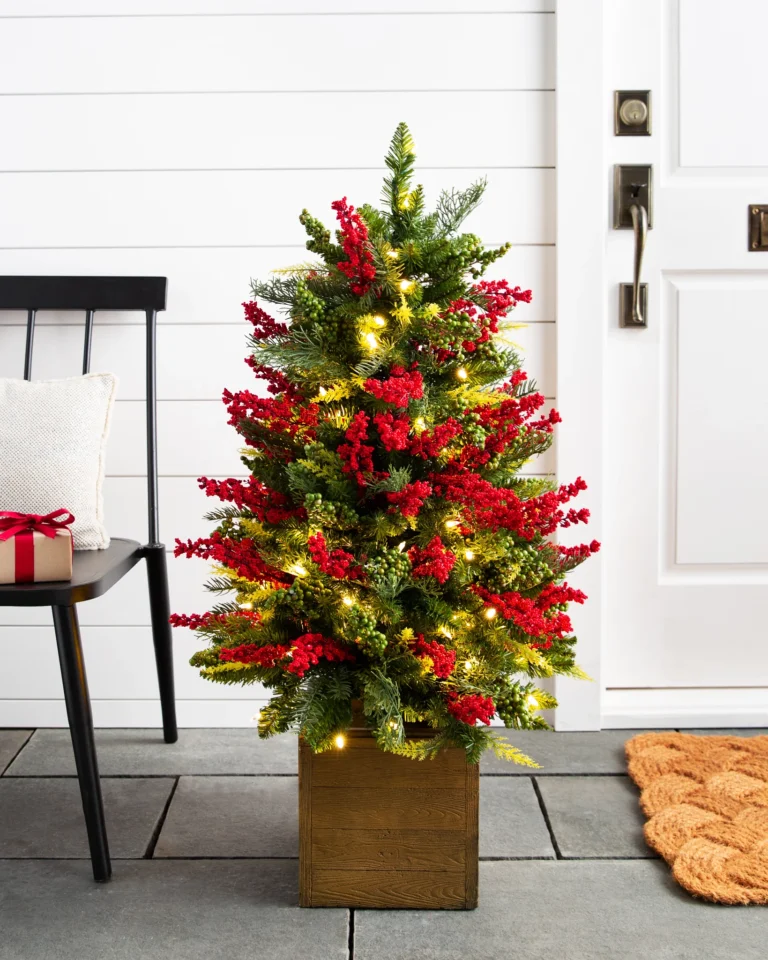

Red Berry Artificial Greenery Collection – Trees, Garlands & Wreaths
Price range: $109.00 through $299.00Red Berry Artificial Greenery Collection with matching trees, garlands and wreaths, centered on a 3.5 ft tree. Red berries over fresh-green foliage tie windows, porches and patios together in classic Christmas hues. Coordinates for a collected seasonal display. Mix trees, garlands and wreaths in one coordinated palette.
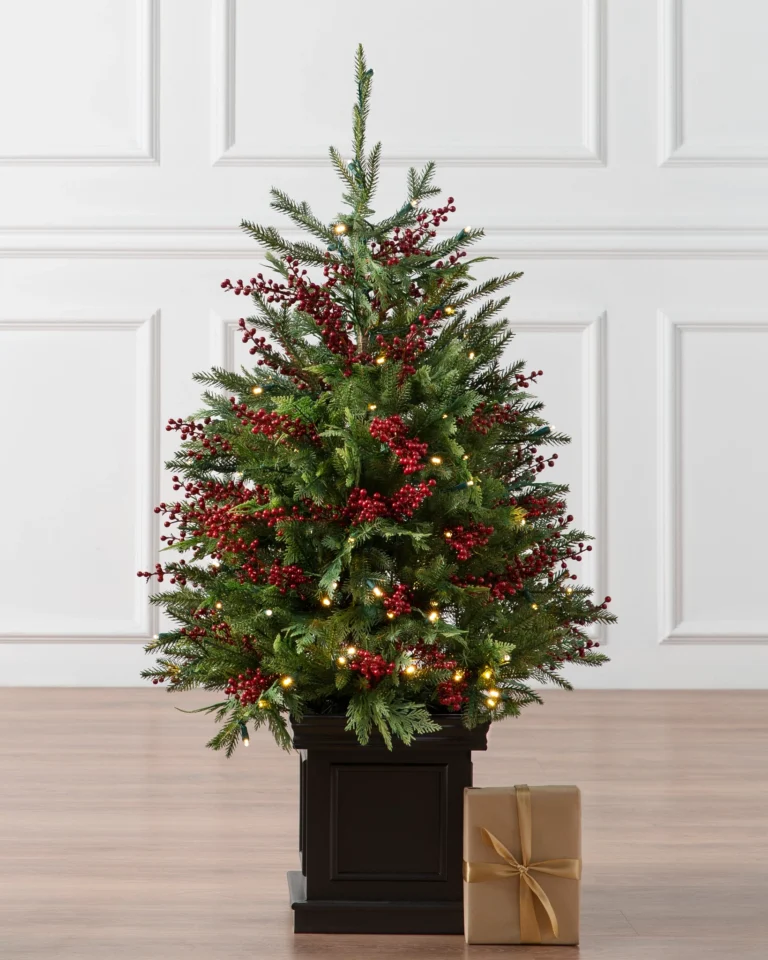
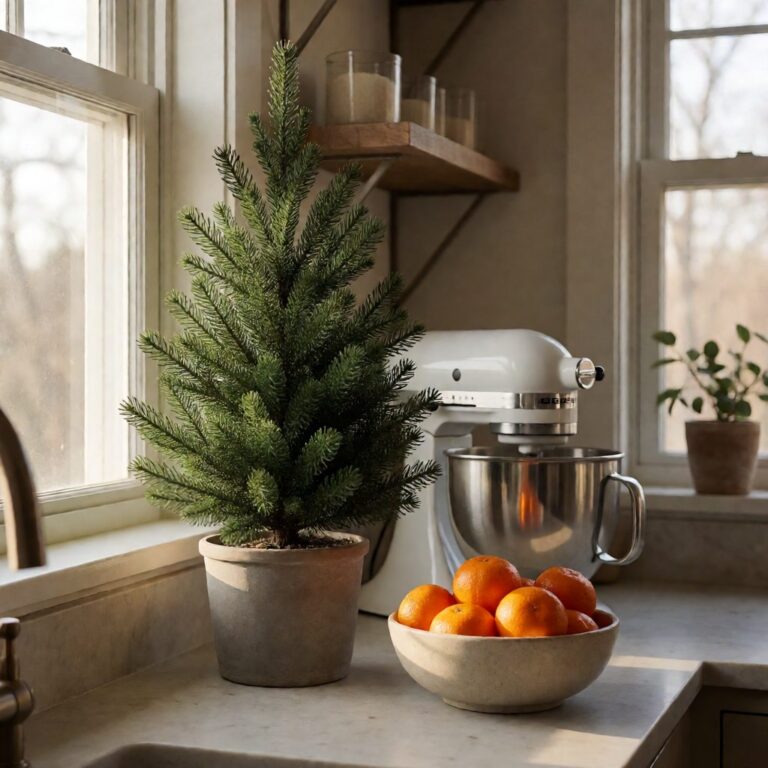
Outdoor Red Berry Evergreen Potted Artificial Christmas Tree
Price range: $259.00 through $299.00Outdoor Red Berry Evergreen Potted artificial Christmas tree, available from 3 to 4 ft. Bright red berries and warm LED lights over full evergreen foliage. Suited to foyers, porches, balconies and pathways, bringing seasonal color to outdoor spaces. Foliage and berries are rated for covered outdoor display.
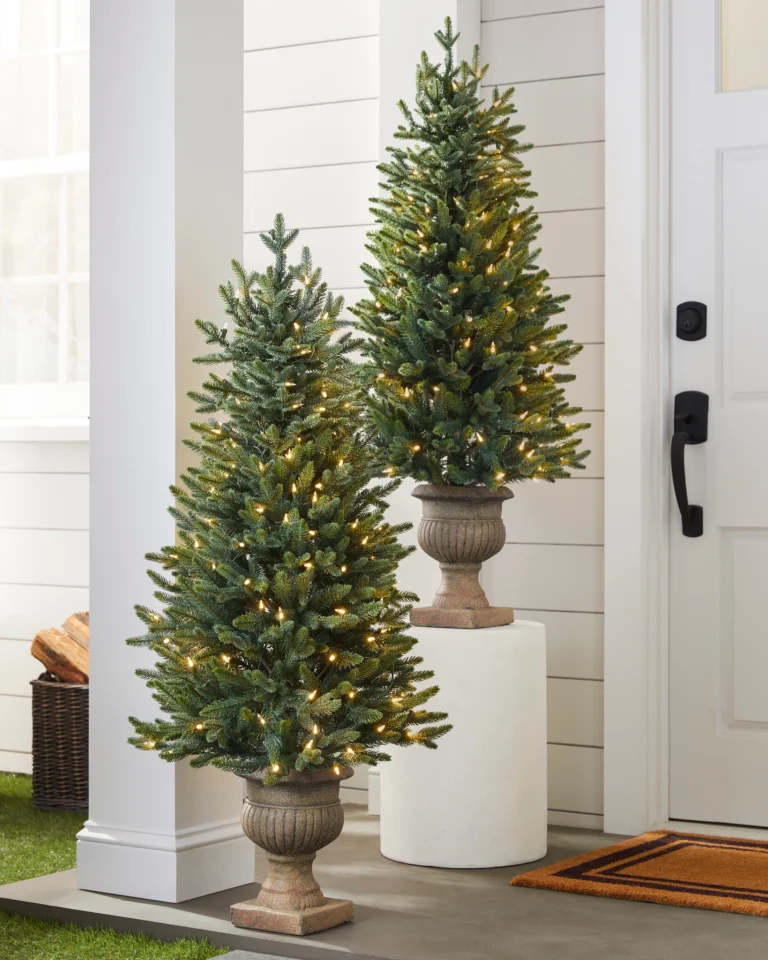

Colorado Mountain Spruce Potted Artificial Christmas Tree
Price range: $329.00 through $499.00Colorado Mountain Spruce Potted artificial Christmas tree standing 4 ft. Dense foliage and a layered branch structure make it a quiet stage for favorite ornaments. Set one or more by the door, on the mantel or porch for instant seasonal cheer.

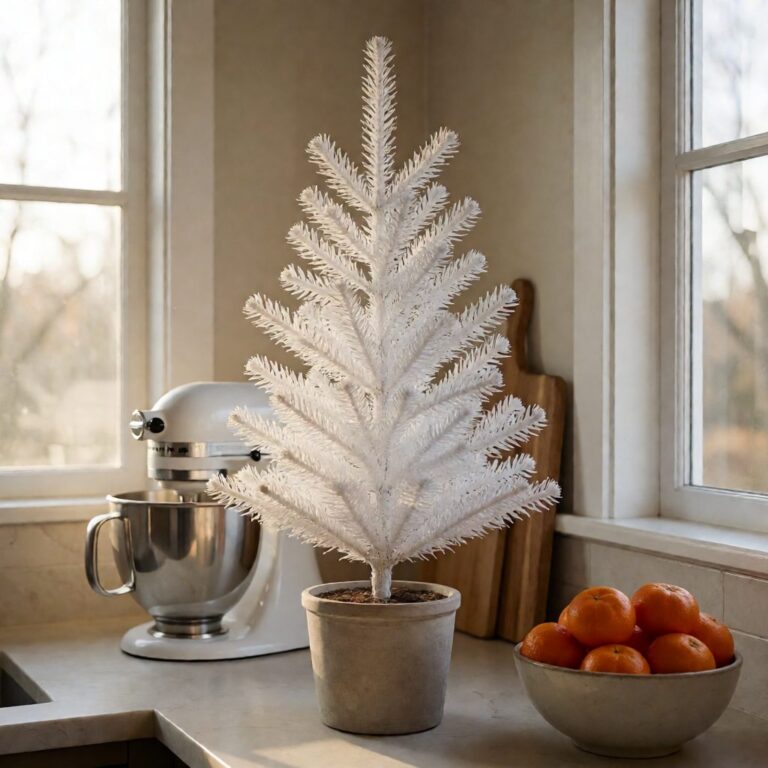
White Berry Cypress Potted Artificial Christmas Tree
$249.00White Berry Cypress Potted artificial Christmas tree standing 4 ft, dotted with white berries. Full, soft cypress foliage in a ready-to-place planter. A versatile evergreen that carries comfortably beyond the holiday season into year-round displays. Berries are wired in place, holding their position through the season.
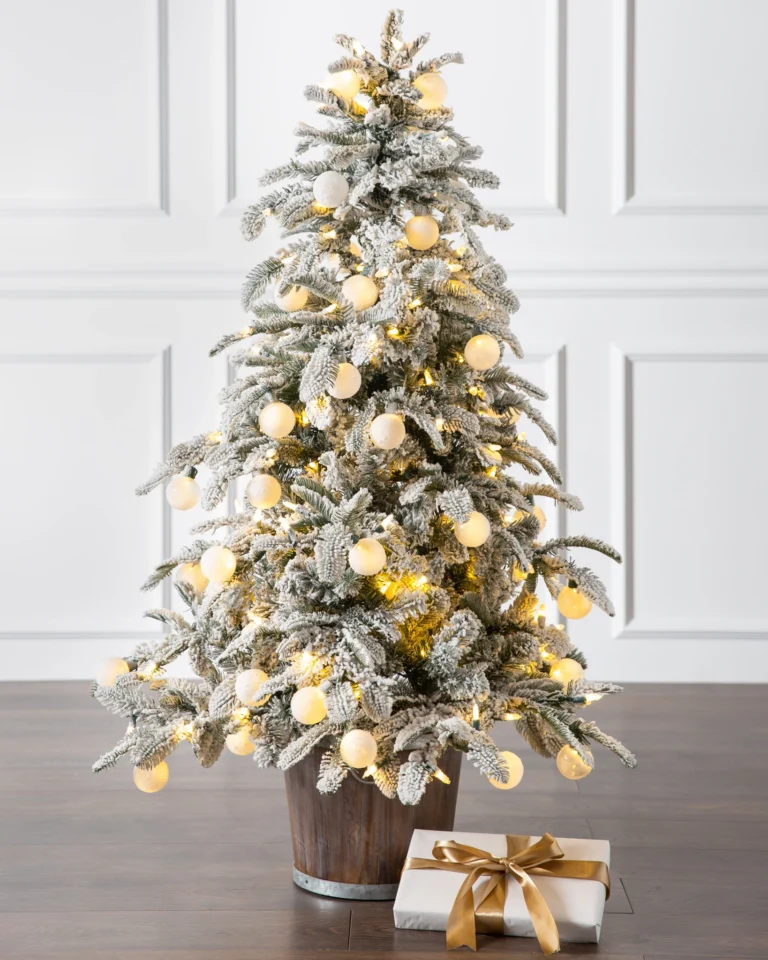

Snow Flurry Potted Artificial Christmas Tree
Price range: $299.00 through $399.00Snow Flurry Potted artificial Christmas tree with snow-covered branches, available from 3 to 4.5 ft. A wooden bucket base lends a rustic touch and makes it easy to place anywhere in the home. A compact, decorated evergreen for entries and side tables.


Frosted Sugar Pine Artificial Christmas Tree
Price range: $649.00 through $1,299.00Frosted Sugar Pine artificial Christmas tree with snow-dusted branches, available from 7 to 9 ft. Long, soft pine needles beneath a light frost finish. Available unlit or pre-lit with warm clear LED. An elegant focal point for living rooms and entryways.
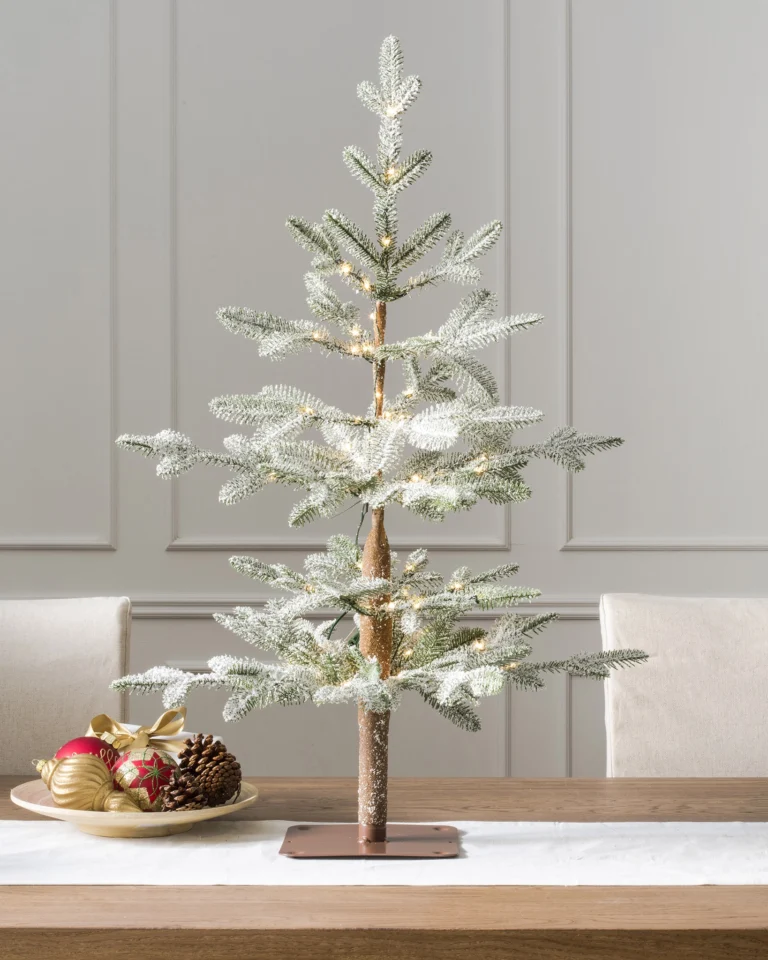

Frosted Alpine Balsam Fir Tabletop Artificial Christmas Tree
$219.00Frosted Alpine Balsam Fir Tabletop artificial Christmas tree standing 36 inches. Snow-dusted, molded-needle foliage with open spaces between branches for easy decorating. A miniature of the Alpine Balsam Fir that brings a quiet wintry note to tables and mantels. Sparse by design, like its full-size counterpart.


Alpine Balsam Fir Tabletop Artificial Christmas Tree
$219.00Alpine Balsam Fir Tabletop artificial Christmas tree standing 36 inches. A sparse-by-design miniature of the Alpine Balsam Fir, crafted with lifelike molded-needle foliage and open spaces between branches for easy decorating. Sets up in one piece, sized for desks, sideboards and shelves.


Frosted Balsam Fir Tabletop Artificial Christmas Tree
Price range: $179.00 through $249.00Frosted Balsam Fir Tabletop artificial Christmas tree standing 30 to 42 inches, with lightly snow-dusted branches. Pre-lit with warm clear LED for a soft glow. A compact wintry evergreen for mantels, counters, bedside tables and small apartments. Frosted branches hold small ornaments without crowding.
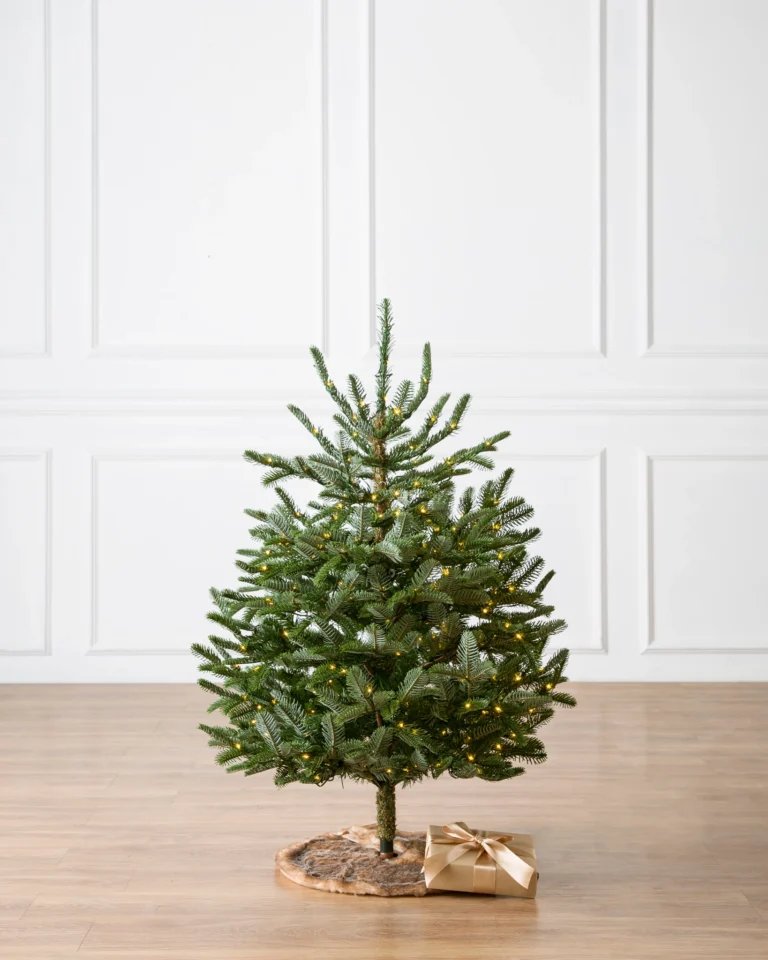

Baby Nordmann Artificial Christmas Tree
Price range: $339.00 through $399.00Baby Nordmann artificial Christmas tree crafted with lifelike molded-needle tips, available from 3.5 to 4.5 ft. Inspired by Nordmann firs sold at Paris street stands. Set one on a mantel or group several on tabletops for a collected holiday display.


Frosted Yukon Spruce Artificial Christmas Tree
Price range: $899.00 through $5,399.00Frosted Yukon Spruce artificial Christmas tree with a snow-frosted take on the classic silhouette, available from 6 to 15 ft. Sparse, widely spaced branches carry a soft wintry finish. The open structure leaves generous room for ornaments, garlands and ribbon.


Baby Yukon Spruce Potted Artificial Christmas Tree
Price range: $289.00 through $389.00Baby Yukon Spruce Potted artificial Christmas tree, available from 3 to 4 ft. A potted miniature of the Yukon Spruce with its characteristic sparse silhouette and widely spaced branches. Sized for entry tables, kitchen counters and bedside seasonal displays. The open silhouette keeps the Yukon’s look at a smaller scale.


Fifth Avenue Flatback Artificial Christmas Tree
Price range: $599.00 through $799.00Fifth Avenue Flatback artificial Christmas tree with a flat-back design that fits snugly against walls and corners, available from 6 to 7 ft. Pre-lit with warm clear LED and multicolor options. Creates the impression of a full tree while saving floor space in apartments and offices.


Fraser Fir Tabletop Artificial Christmas Tree
Price range: $189.00 through $219.00Fraser Fir Tabletop artificial Christmas tree standing 30 to 42 inches. Lifelike molded-needle foliage and warm LED fairy lights give the deep green branches a gentle golden glow. A smaller version of the Fraser Fir that brings classic charm to mantels, desks and side tables.
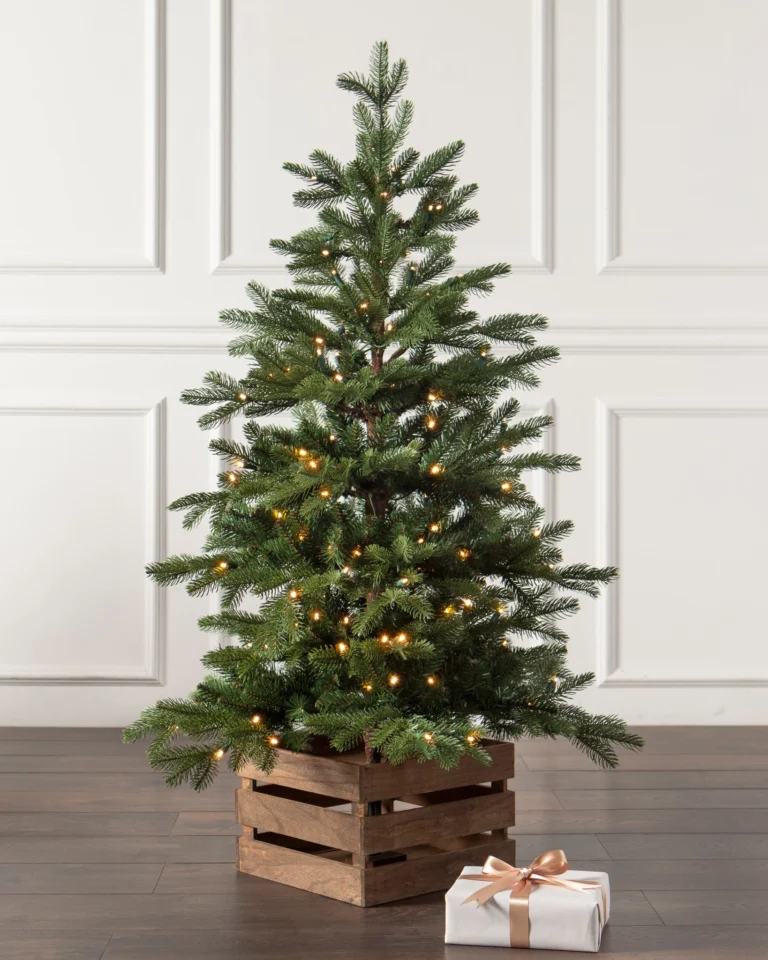

Country Farm Fir Artificial Christmas Tree
Price range: $209.00 through $269.00Country Farm Fir artificial Christmas tree with a classic full silhouette, available from 3 to 4 ft. Suited to indoor or covered outdoor use. A compact evergreen for porches, foyers, kitchen corners and seasonal tablescapes, with dense boughs that carry small ornaments and battery lights. Stores flat after the season.
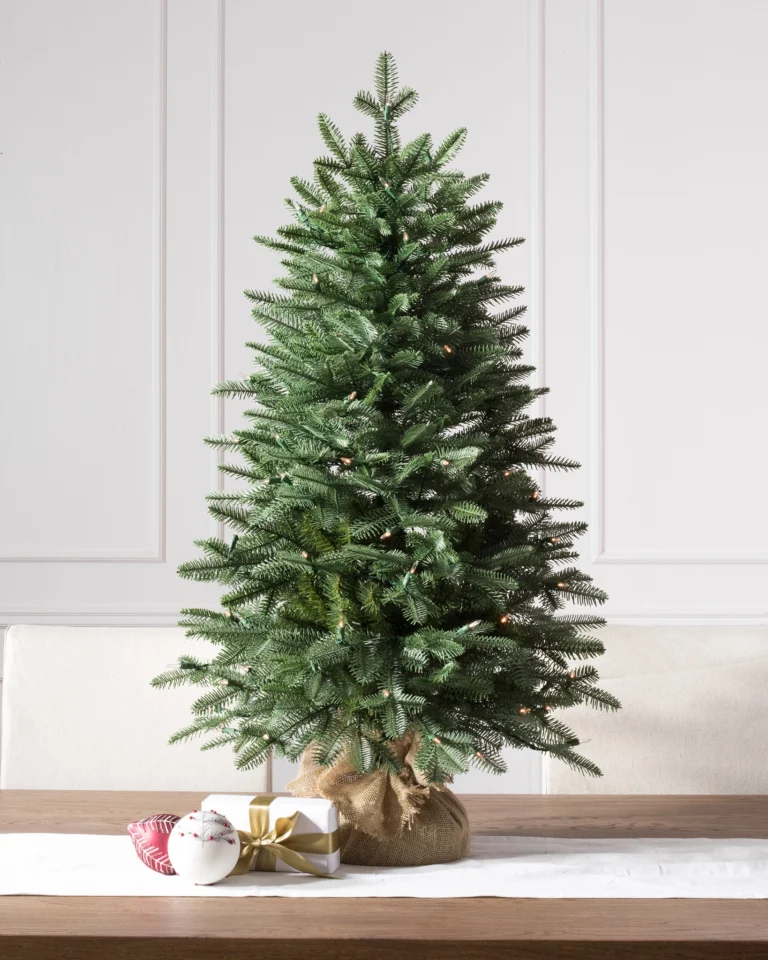

Balsam Fir Tabletop Artificial Christmas Tree with Burlap Base
Price range: $159.00 through $399.00Balsam Fir Tabletop artificial Christmas tree with a burlap-wrapped base, available from 2.5 to 5.5 ft. Lifelike molded-needle foliage and warm LED lights for a gentle golden glow. A miniature version of the Balsam Fir that brings rustic warmth to mantels, counters and side tables.


Frosted Fraser Fir Artificial Christmas Tree
Price range: $599.00 through $1,649.00Frosted Fraser Fir artificial Christmas tree with lightly snow-dusted branches, available from 5.5 to 9 ft. Dark green needles with silver undersides beneath a soft frost finish. Pre-lit with warm clear LED and color-plus-clear options. Brings the look of a snow-dusted forest indoors.
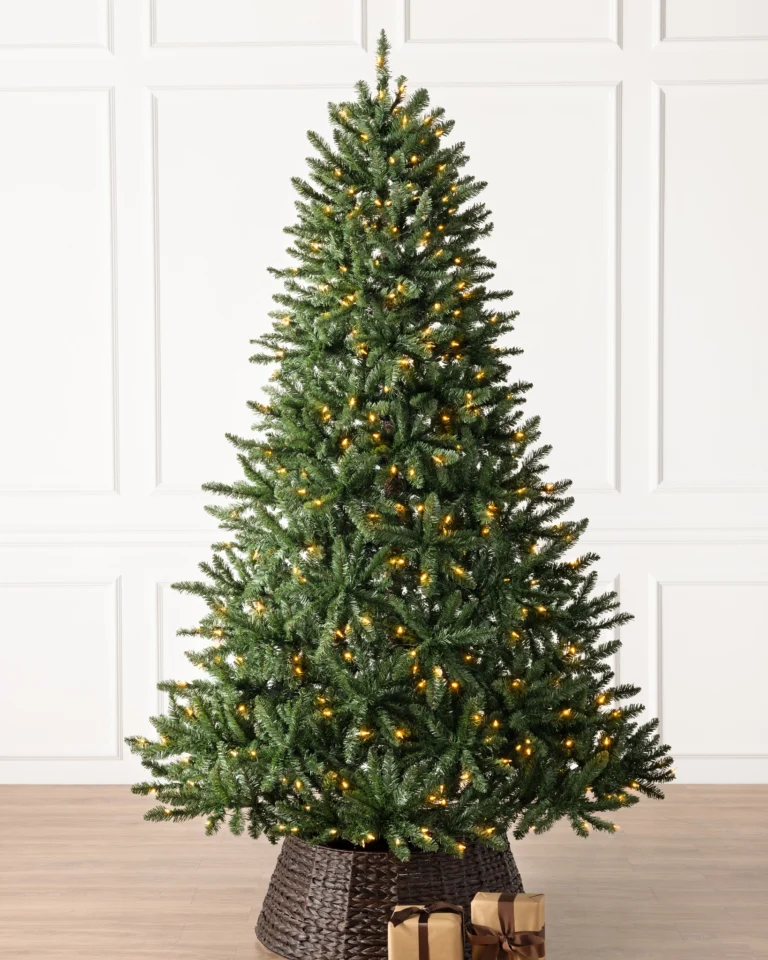
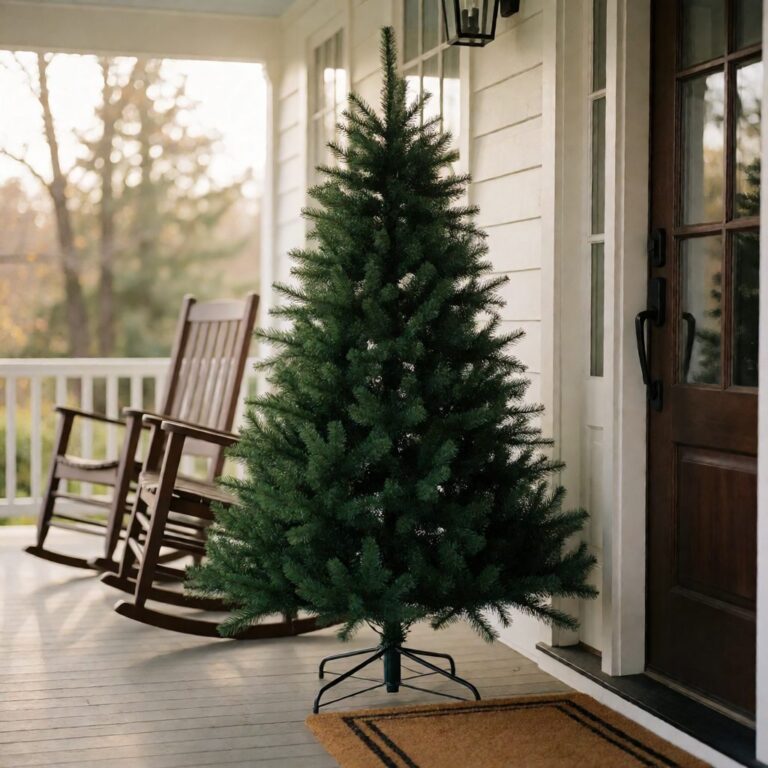
Classic Evergreen Spruce Artificial Christmas Tree
Price range: $349.00 through $1,049.00Classic Evergreen Spruce artificial Christmas tree with a full silhouette and rich green needles, available from 5.5 to 9 ft. Available unlit or pre-lit with warm clear LED. A traditional centerpiece for living rooms, entryways and seasonal displays, sized for homes of every scale.
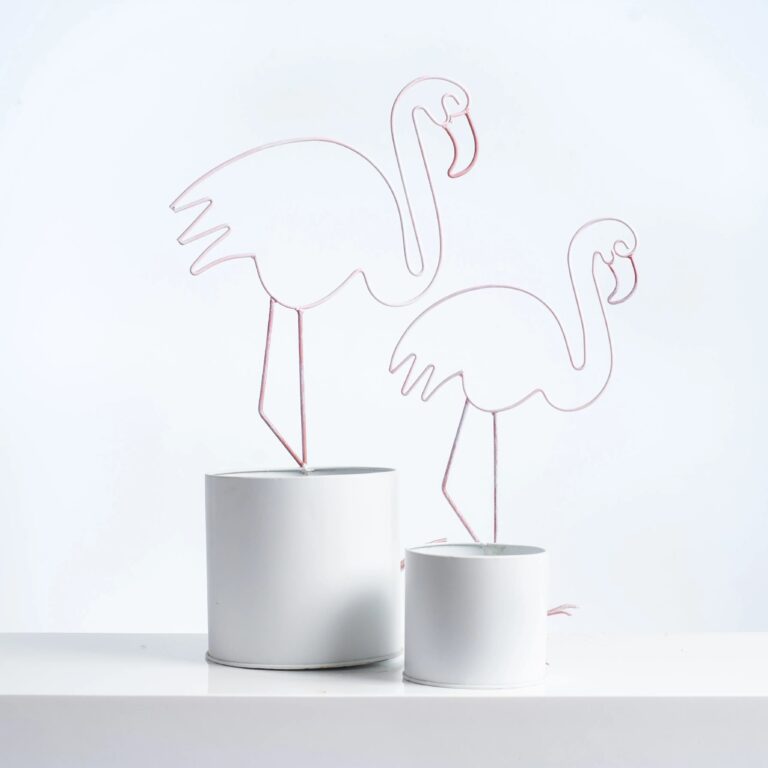
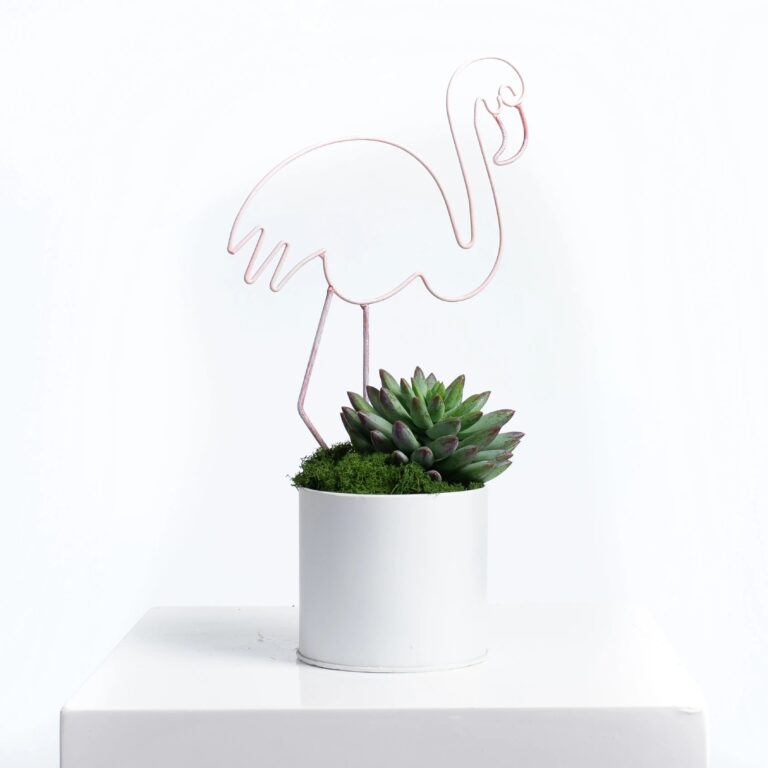
Pink Planter
$10.00Faux planter. Measures 4.5″ L x 4.5″ W x 14.5″ H. Suited to indoor or covered outdoor use. Pairs with fresh cuts or our forever florals.
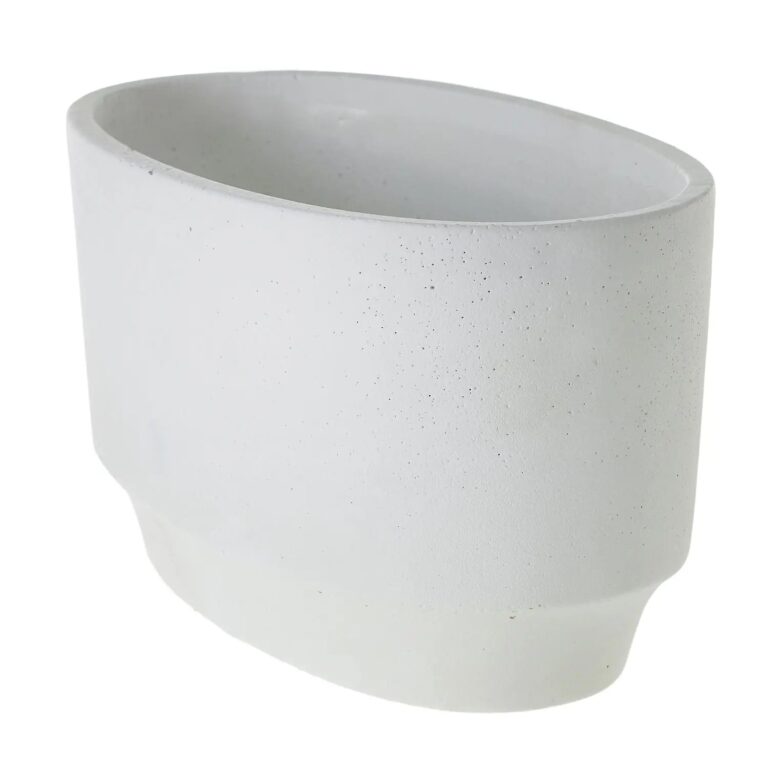

White Concrete Planter – Large
$39.00Concrete planter. Measures 12″ L x 6.75″ W x 6″ H. Suited to indoor or covered outdoor use. Pairs with fresh cuts or our forever florals.
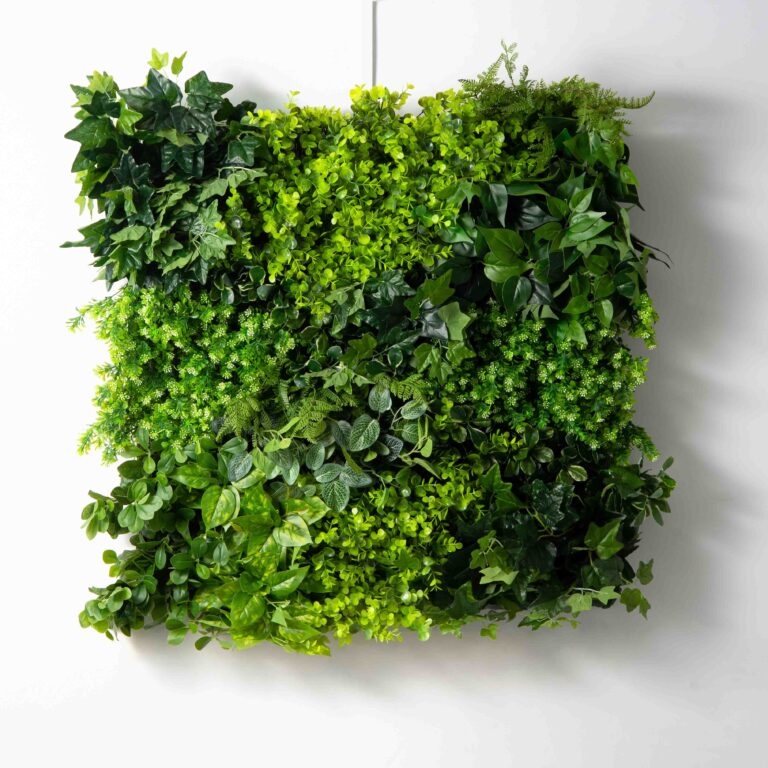
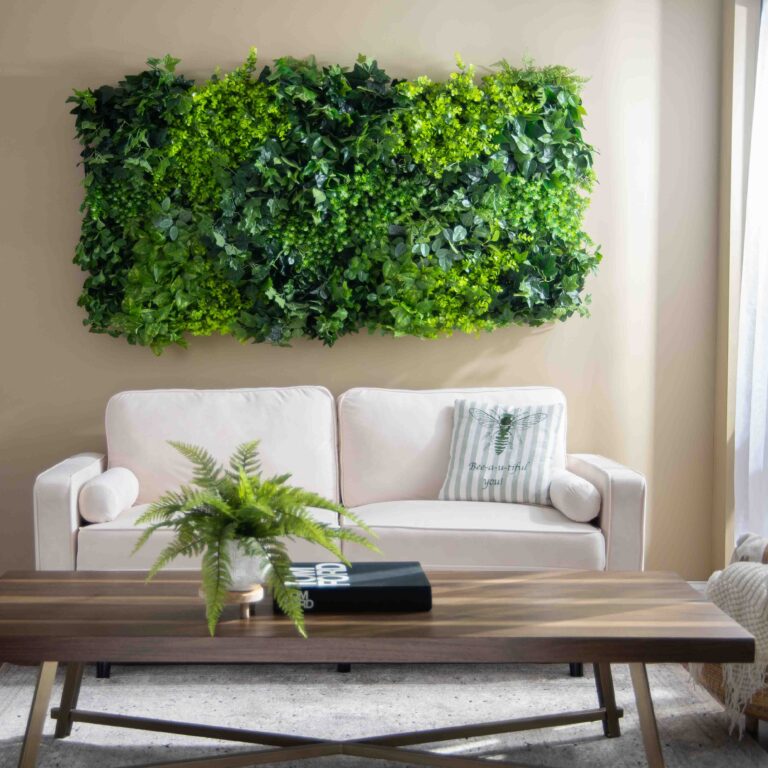
Large Faux Boxwood & Ivy Plant – Green
$499.00Faux boxwood & ivy plant. Measures 31.5″ L x 31.5″ W x 6″ D. Suited to indoor or covered outdoor use. No watering, no sunlight, no upkeep.

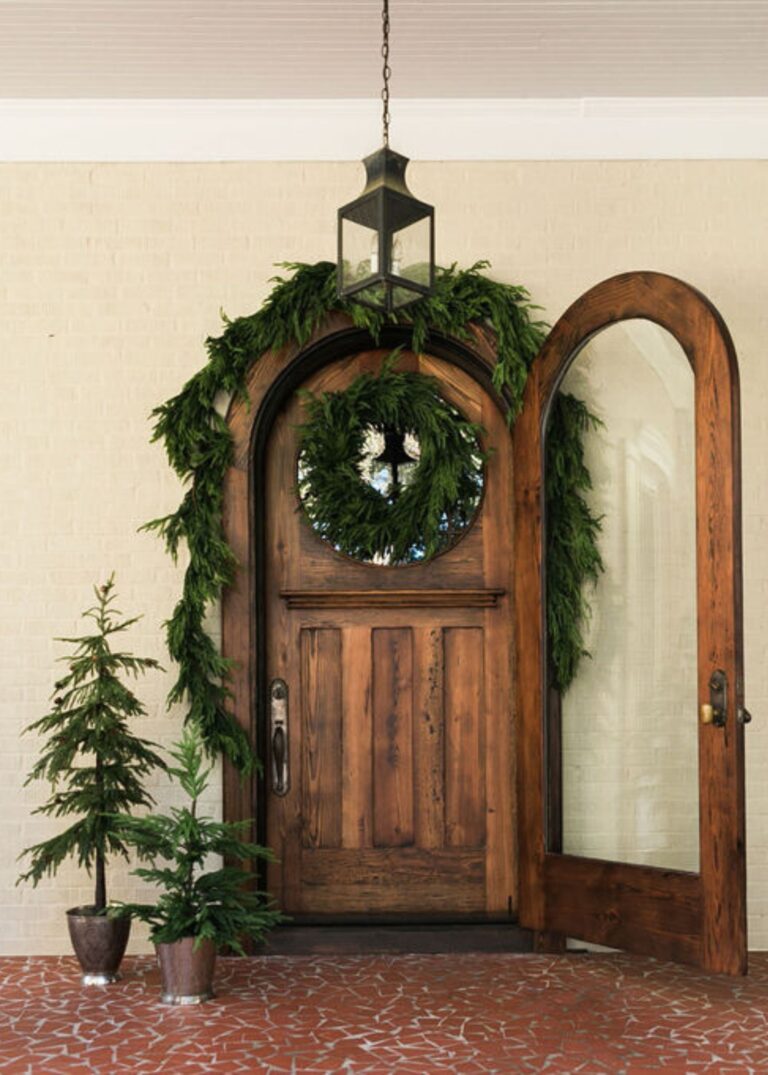
24″ Real Touch Norfolk Pine Wreath
$68.00Norfolk pine wreath. Measures 24″ diameter. A warm welcome that looks full season after season.

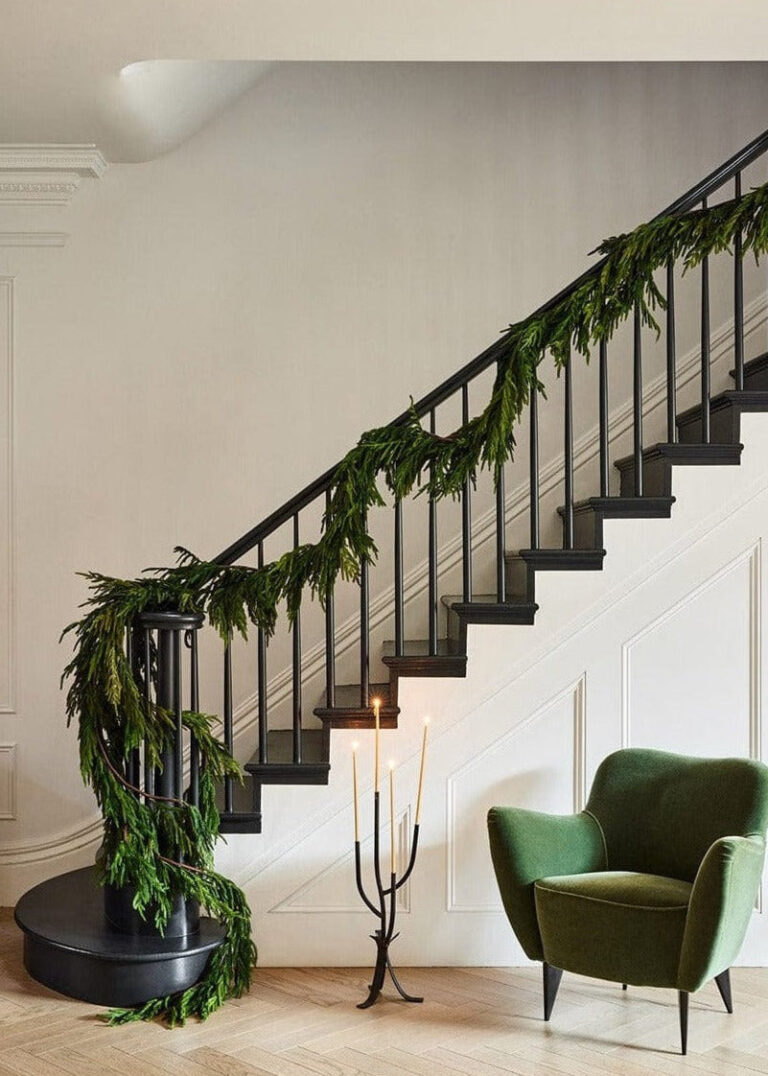
180″ Real Touch Norfolk Pine Garland
$174.00Norfolk pine garland. Measures 180″. Drape it along the mantel, staircase, or window frame.
Indoor artificial plants in every tier this shop carries — shelf-size pothos and snake plants, console-height ferns, and floor-scale trees from the olive and palm lines. Indoor, faux, fake and silk all name the same family here, and every listing states its honest numbers: height pot included, leaf material, and how many minutes of shaping the piece wants after unboxing. Nothing on this page needs a window, a watering can, or a humidity tray.
Quick answer: Indoor faux plants come in three working tiers — tabletop at 8-16 inches, console at 18-30, floor at 36-60 — and run roughly $20-150 by size (market ranges, October 2026). Put them where live plants die: north windows, dark corners, interior rooms. Care is a monthly dusting, nothing else.
What sizes of indoor artificial plants are there, and where does each go?
Three tiers cover every indoor placement, and picking the wrong tier is the number-one ordering mistake — a 48-inch floor plant on a bookshelf looks like a display-room error, and a 10-inch desktop pothos vanishes in an empty corner. Tabletop plants at 8-16 inches live on desks, nightstands, kitchen counters and bookshelf cubbies; think single pothos, fittonia, or a small snake plant in a 4-6 inch pot. Console tier at 18-30 inches covers sofa tables, entry consoles, mantels and bathroom counters — ferns, dracaena, and small topiary hold this range. Floor tier at 36-60 inches is the room-anchor class: fiddle leaf figs, olive trees, palms and bird of paradise plants that fill a corner or stand beside a sofa. Measure the surface and the vertical clearance above it before ordering, because a plant that fits the shelf but not the shelf's airspace still goes back.
Which indoor spots actually need a fake plant?
Anywhere a live plant has already failed — or anywhere you would have to keep replacing one. North-facing windows, interior bathrooms with no glass at all, the corner three rooms deep from the nearest window, the top of a bookshelf nothing reaches with a watering can: these are the positions fake greenery was built for, and light is the entire reason. A live fiddle leaf fig demands hours of bright indirect light and sulks through a move; a faux one holds the same corner for years without a single brown leaf. The same logic travels down the tiers — a live pothos tolerates low light but still needs watering discipline, while its faux twin sits on the highest shelf and simply gets dusty.
The dark-corner test
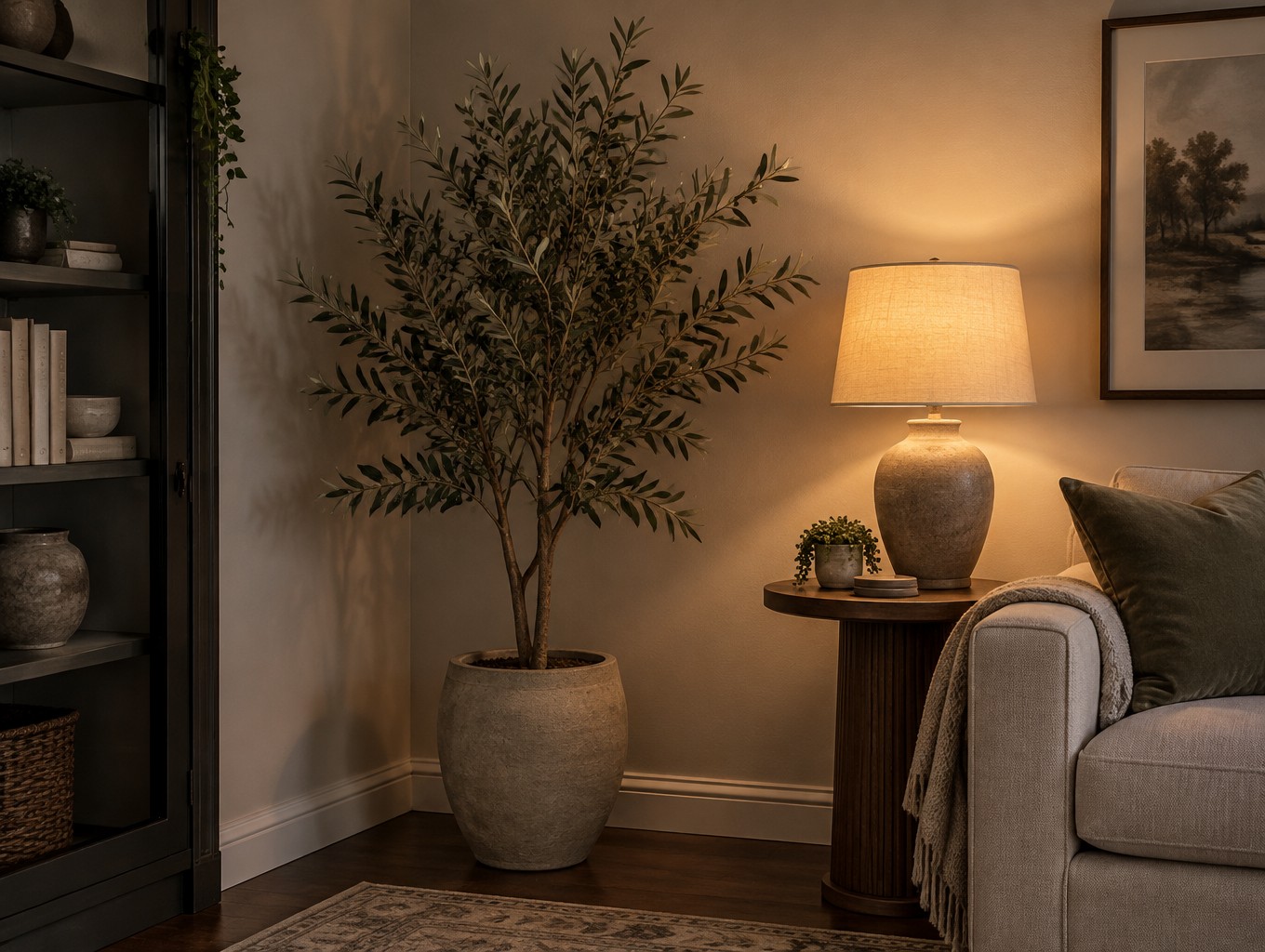
Here is the placement rule this shop uses: if a lamp makes the corner pleasant for reading but no plant has survived there, the corner needs a floor-tier faux — an olive if the room runs warm and neutral, a palm if it runs casual, a fiddle leaf fig if it runs tailored. Rotation matters more than placement for faux: turn the plant a quarter-turn every few weeks so one side does not age ahead of the other under lamplight or stray sun. For the full maintenance ledger, the fake versus real plants breakdown runs the numbers on both sides of the choice.
Pets change the math
Houseplant toxicity is a quiet, ongoing worry for cat and dog households — pothos and monstera carry oxalates that irritate mouths, lilies are outright dangerous to cats, and the ASPCA's pet-safety lists turn half a normal plant collection into a risk audit. A faux collection removes the toxicity question entirely: nothing on this page is a poison risk to a pet that brushes against it or knocks it over. The honest boundary is chewing — a determined cat can still shred silk leaves and plastic stems, they are simply not food, so the safe play in a chewing household is tabletop tier on a high surface rather than a floor plant left at nose height. That is a placement decision, not a product defect, and it is worth making before checkout rather than after the first incident.
How can you tell a good indoor faux plant from a bad one?
Judge at three distances, because that is how guests will actually see the plant. From across the room, silhouette and color do the work: a good piece has the species' true architecture — the upright blades of a snake plant, the trailing habit of a pothos — and a green that sits in the natural range rather than the neon range. At arm's length, leaf material decides everything: leaves with a waxy, substantial feel and visible veining read as foliage, while thin shiny plastic reads as toy, and the quickest test is to look at how the leaf attaches to the stem, since cheap builds show a glued seam right at that joint. Up close, at handshake distance, check the soil surface and the pot interior — cemented fake soil or layered moss reads finished, while visible foam blocks and glue strings are the tells of a build that will bother you every time you dust it.
Two more specifications are worth checking before you order, because they decide how the plant behaves over time. Wired stems and branches hold the shape you bend them into, which matters if a corner needs a lean or a shelf needs the plant to stay narrow; rigid molded stems never droop but never adjust either, so match the build to whether you plan to style the piece or leave it alone. And pot honesty: some tabletop plants ship in a basic nursery pot meant to drop inside a decorative planter you already own, and listings here say which — the pot line on each product page tells you whether you are buying a finished piece or a two-cart decision.
How much care does an indoor faux plant actually need?
The honest total is a monthly dusting and a twice-yearly deeper clean — no water, no fertilizer, no repotting, no pest patrol, and no guilt when you travel for three weeks. Dust is the one real enemy, because it is what turns a convincing plant into a visibly fake one before any material ages; a soft brush handles broad leaves like a fig or bird of paradise in a couple of minutes, while intricate builds like ferns and fittonia want a cool blow-dryer pass rather than a cloth, since wiping every frond is a chore nobody repeats. Leaf size is therefore a genuine maintenance spec: big-leaved plants are the low-maintenance end of faux ownership, fine-textured ones the high end, and a room mix that leans big-leaf is a room that stays looking done. Silk-blend leaves that do get a damp wipe should air-dry out of direct sun, and hot water is off the table because it curls silk permanently.
The one honest concession: faux greenery does not do the small things a live plant does — no transpiration, no faint air-freshening, none of the quiet daily change that makes a live plant feel like a pet. What you get instead is a look that holds: the plant that left the box in March is the same plant in the same corner in December, at any light level, through any travel schedule. Households that enjoy tending should keep one or two live plants for the pleasure of it and let faux carry the difficult positions — the two approaches work best as a roster, not a religion, and the full artificial plants collection is organized so you can split the work exactly that way.
How to Choose an Indoor Artificial Plant
- Pick the tier before the variety.
Measure the surface and the airspace above it: 8-16 inches for tabletops, 18-30 for consoles and mantels, 36-60 for floor anchors. The tier decision eliminates two-thirds of the catalog before any variety debate starts.
- Shop the light you do not have.
Choose faux for the north window, the bathroom, the interior corner — the positions where live plants have already failed once. Bright south-facing sills can still go live if you enjoy the upkeep; faux wins the dark half of the house by default.
- Check leaf material and attachment.
Waxy, veined leaves with wired or cleanly finished stems read as foliage at arm's length; thin shiny plastic and visible glue seams at the leaf joint are the budget tells. The listing states the leaf material so you can check before, not after.
- Audit the pet household first.
Nothing here is toxic to pets, but chewing is a placement problem — tabletop tier on a high surface for determined chewers, floor tier only where noses do not idle. Make the call before the first incident, not after.
- Plan the dusting before you buy.
Big leaves brush clean in two minutes; ferns and fittonia want a blow-dryer pass. If monthly maintenance needs to be near zero, lean big-leaf — it is the lowest-work faux you can own.
Frequently Asked Questions
What size artificial plant should I buy for a shelf, console, or floor corner?
Work the three-tier system. Shelves and desks take 8-16 inch tabletop plants in 4-6 inch pots; consoles, sofa tables and mantels take 18-30 inch pieces like ferns and dracaena; floor corners take 36-60 inch trees — figs, olives, palms, bird of paradise. Leave at least 6 inches of clearance above any surface plant so the silhouette reads instead of touching the shelf above, and for floor trees keep the ceiling-height-minus-12-inches rule in mind even indoors, because a tree that grazes the ceiling stops reading as a tree. Height is always stated pot included, so the listing number is the number that stands on your floor.
Do indoor fake plants look convincing?
At the distances guests actually view them, yes — across a room, silhouette and color carry it, and a quality build reads as greenery, not decor. Up close, material decides: leaves with a waxy feel and visible veining hold up at arm's length, while thin shiny plastic fails there no matter how good the product photo looked. That is why this shop states leaf material on every listing and prices honest rather than promising the moon — a faux plant's job is to read convincing at three feet, in the light of your actual room, and every spec on the page serves that line.
Are artificial plants safe for cats and dogs?
Safe from the toxicity angle, with one practical caveat. Live houseplants carry real risks to pets — pothos and monstera irritate mouths, lilies are dangerous to cats specifically — while faux plants contain nothing poisonous on contact. The caveat is chewing: a determined pet can still pull silk leaves loose or shred plastic stems, so in a household with a confirmed plant-eater, keep the collection in tabletop tier on surfaces above nose height. The risk you are managing moves from poisoning to spillage, which is a much better problem to have.
How do I clean indoor artificial plants?
Monthly, with the tool matched to the texture. Broad-leaf plants — figs, birds of paradise, monsteras — wipe or brush clean in two or three minutes with a soft cloth or duster. Fine-textured builds like ferns, ivy and fittonia collect dust in places a cloth cannot politely reach, so use a cool blow-dryer on low from a foot away; warm or hot air curls silk-blend leaves permanently. Twice a year, a barely damp cloth on big leaves followed by air-drying away from direct sun resets the whole collection. Total annual effort: under an hour for a typical ten-piece room set.
Will fake plants fade near a window?
Slowly, not never — and placement controls the speed. Standard silk and PE blends are indoor materials, and months of direct afternoon sun will gradually soften their greens, which is why the honest guidance is bright-indirect positions rather than pressed against hot south glass. Faux plants actually solve the opposite problem better: they thrive in the dark corner where nothing lives. Rotate floor plants a quarter-turn every few weeks so no single side takes all the sun, and if a position gets brutal direct light, that is the spot for a UV-treated outdoor-rated piece from the outdoor artificial plants line instead.
Real or fake plants — which should I choose?
Both, assigned by position. Give live plants the bright, reachable spots you walk past daily — tending them is the point, and the light is free help. Give faux the north windows, the bathrooms, the high shelves, the travel-weekend plants and every position where a live plant has already died on you once. The maintenance ledger is not close: live houseplants want water on a schedule, repotting every year or two, and pest vigilance, while a faux collection wants a monthly dusting, full stop. Households that run the split report the same thing — the live plants stay healthier because the difficult positions stopped asking for sacrifices.
What do I do when my artificial plant arrives?
Expect five to ten minutes of shaping, and budget them happily. Boxed plants ship with leaves and branches compressed for protection, so the routine is working from the inside out — bend branches up and outward, fan the leaves, and fluff anything matted until the silhouette reads like the listing photo. Wired stems hold exactly the shape you set, so this is also the moment to style: lean the plant into a corner's line or keep it narrow for a tight shelf. Every listing states its shaping time honestly rather than pretending the piece arrives display-ready, because the ten minutes are the difference between a plant that looks boxed and a plant that looks grown.