Quick answer: Wedding arch flowers are built to wrap, not to arrange — measured garlands around the frame, greenery stems filling the gaps, bloom clusters placed last. For a full wrap plan 1.5× the length of every beam you cover; a 6 ft. circular arch takes roughly 18–20 ft. of garland in total, which is three to four 6 ft. runs. Everything here is silk and UV-stable, so the arch goes up the day before without a single wilt on the wedding morning.
The arch is the one piece of wedding decor everyone walks through, stands under, and photographs from every angle — which is exactly why fresh flowers fight it. Fresh garland wilts off a sunlit frame by morning, needs water tubes and a same-day crew, and still sags by the vows. Artificial flowers for a wedding arch flip the schedule: garlands and greenery go up a full day early, hold their silhouette through heat and wind, and cost a fraction of the equivalent fresh coverage. This collection gathers the pieces that do that job — wedding-color garlands, wrapping greenery, and fullness stems, every one sold by measured length and honest piece count.
Wedding Arch Flowers, Explained
Dressing an arch is layering work, and every layer has a format built for it. Three formats cover almost every arch you will meet.
Format
What it is
The job on the arch
Flowered garland
A measured greenery run with bloom clusters wired in — peony, ranunculus, bougainvillea in wedding colorways
The statement layer: one or two runs carry the whole color story on a modern minimal arch
Greenery garland
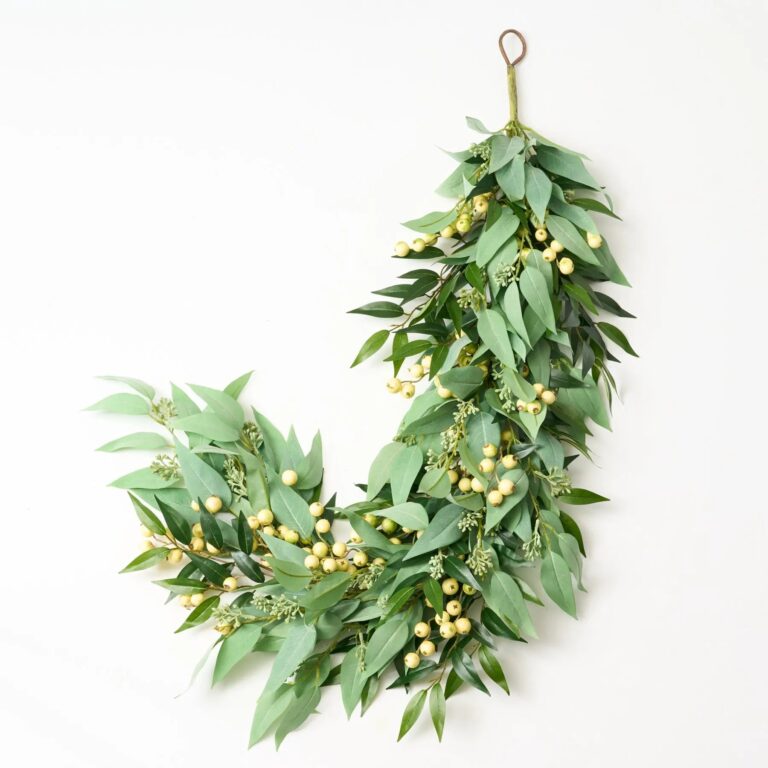
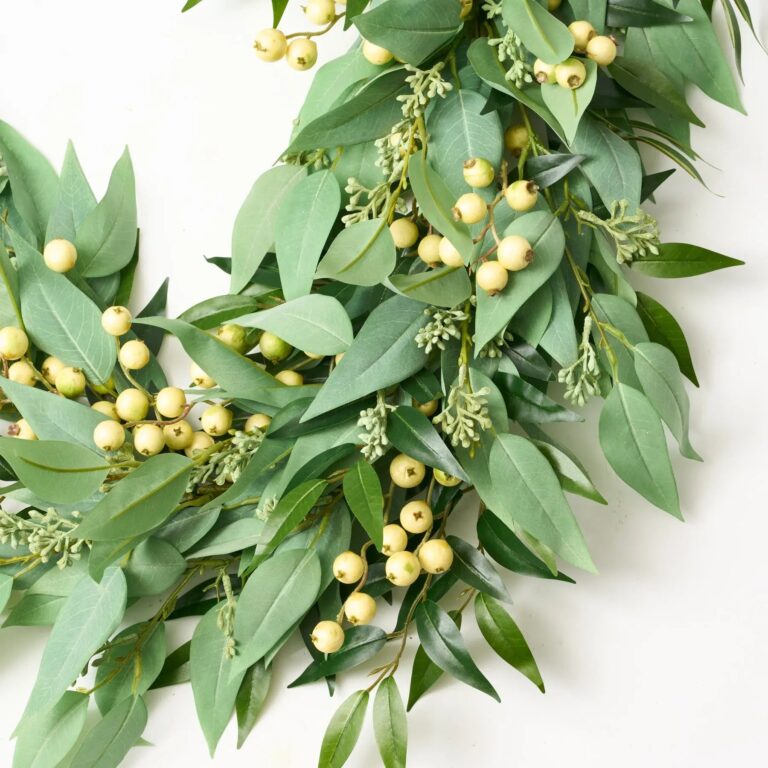
Eucalyptus, sage, fern and ivy strands, sold by the foot — the same runs as the garland collection
The base wrap: full-coverage green that frames the blooms and fills the frame
Greenery stems & bushes
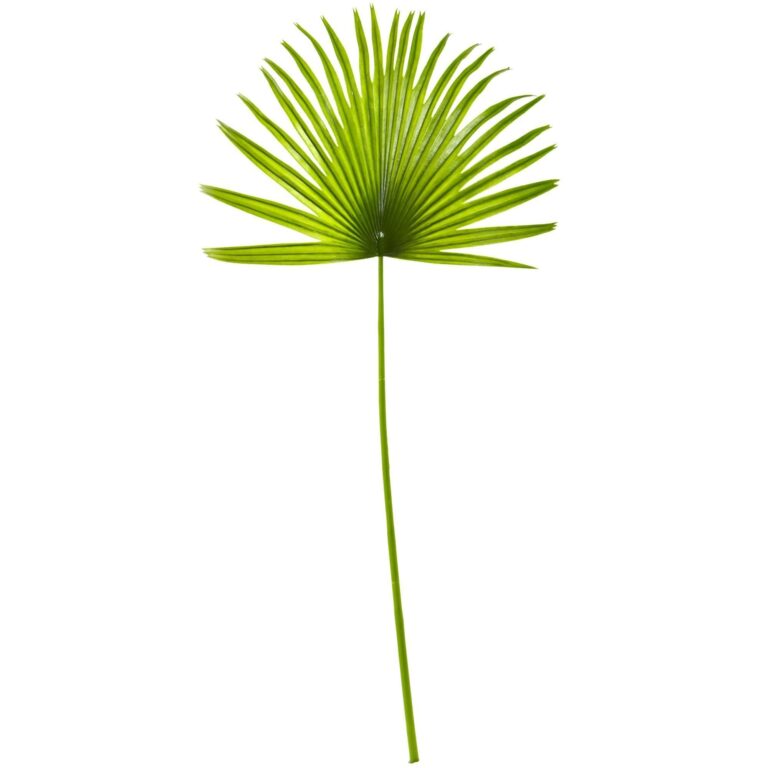
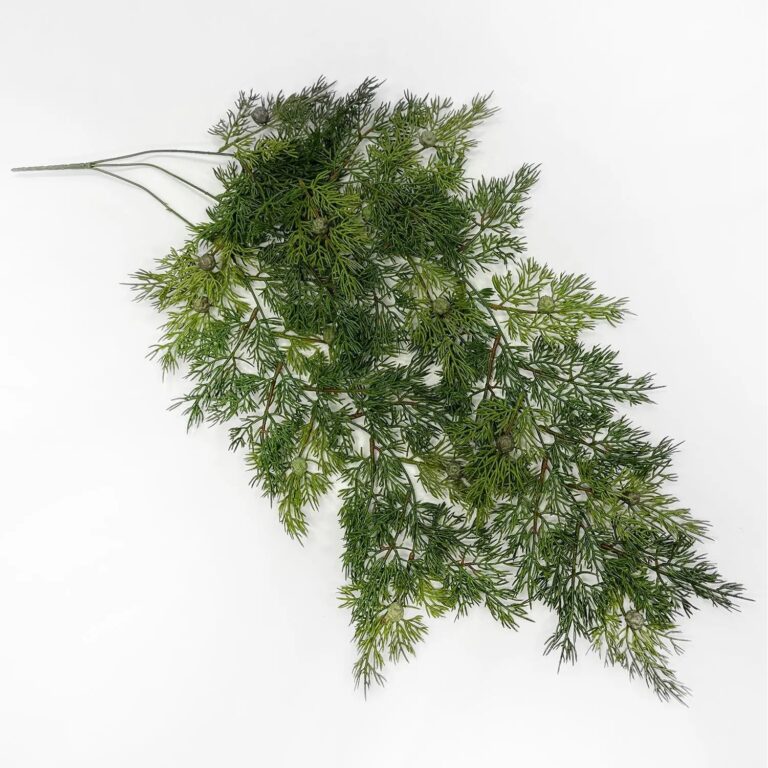
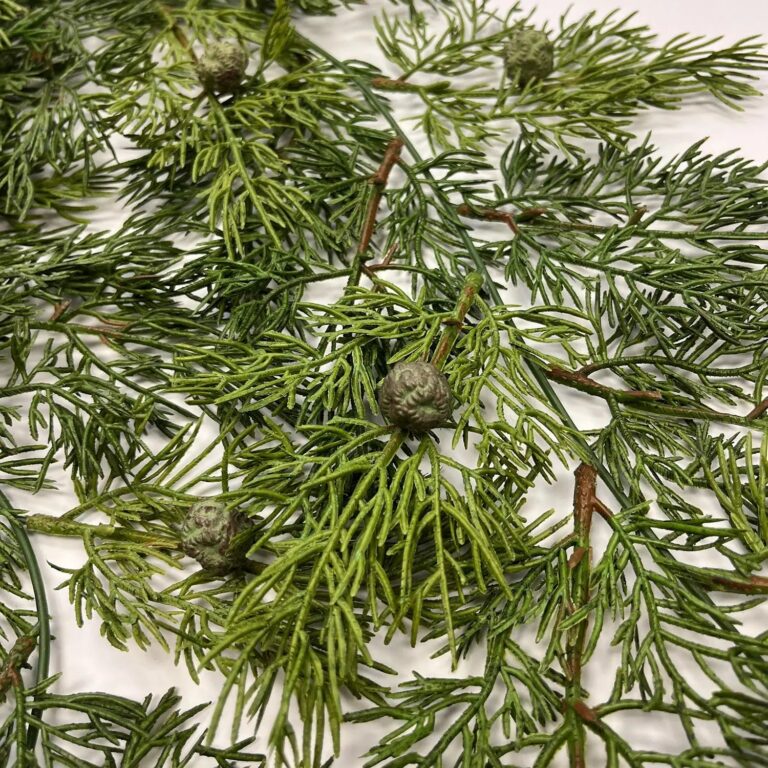
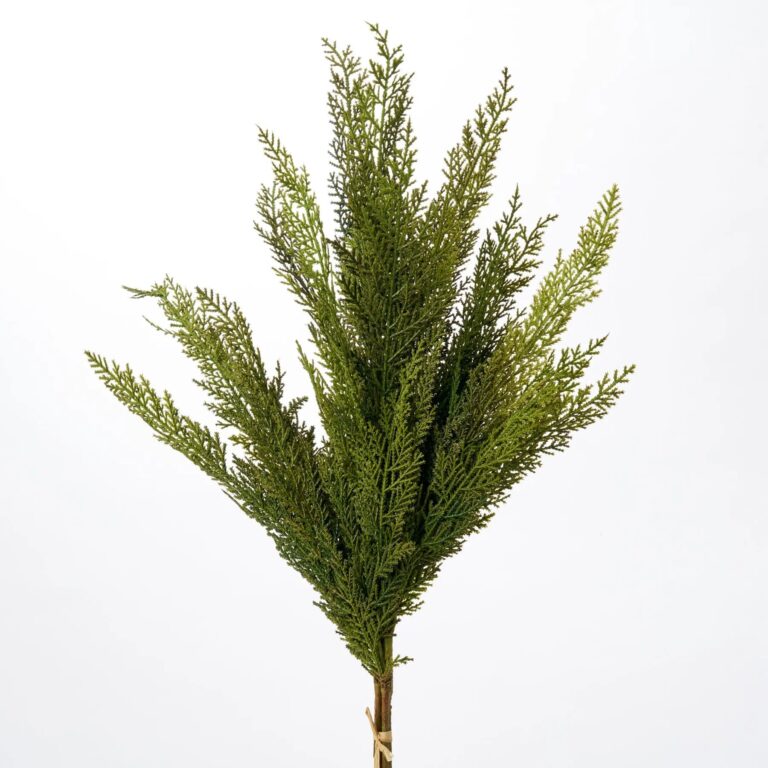
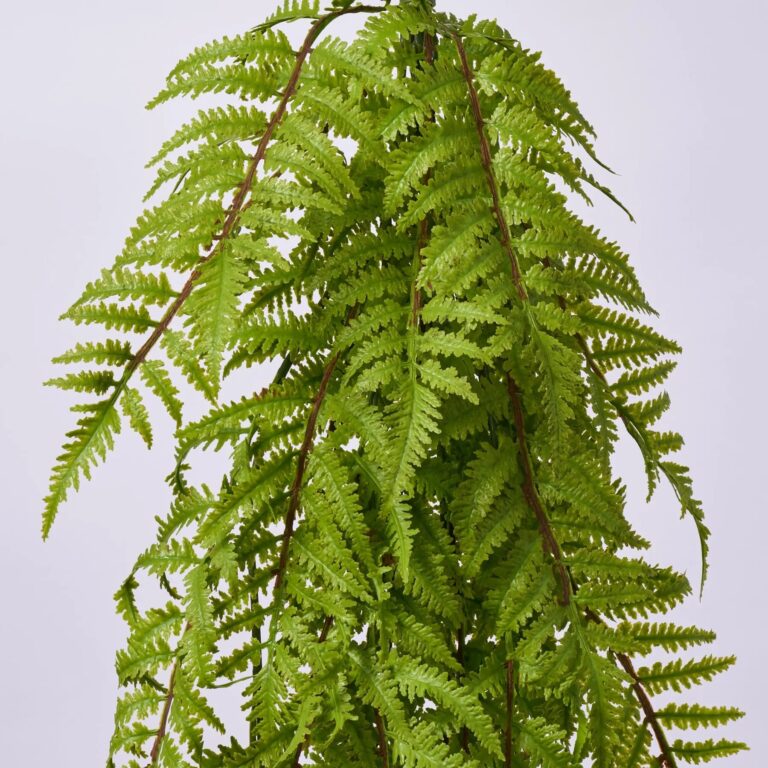
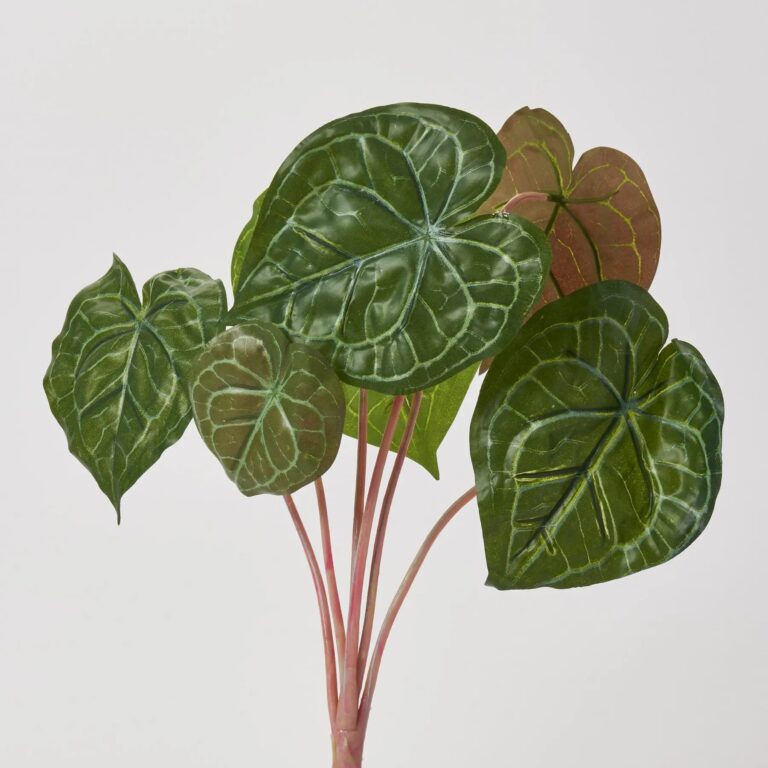
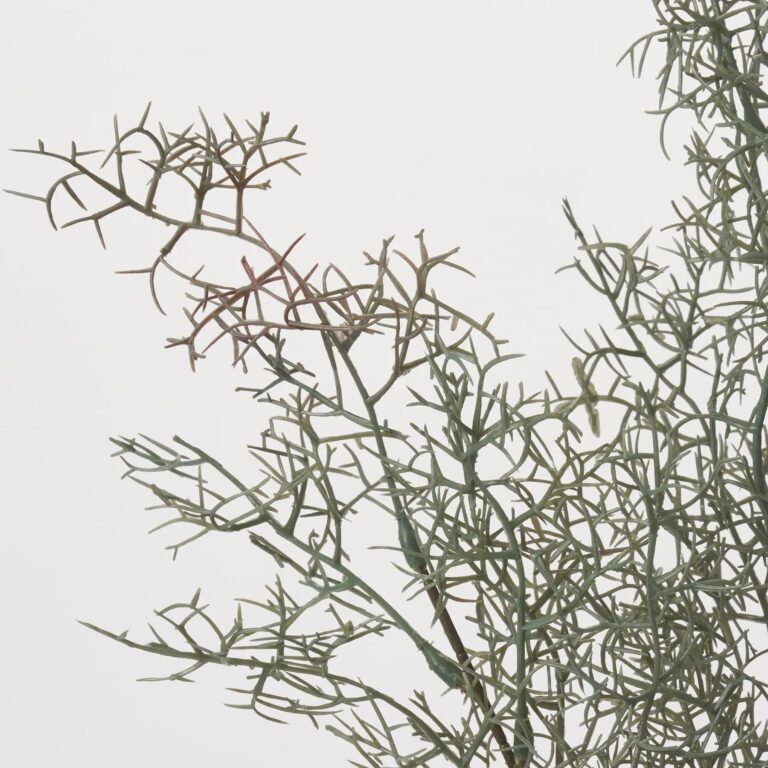
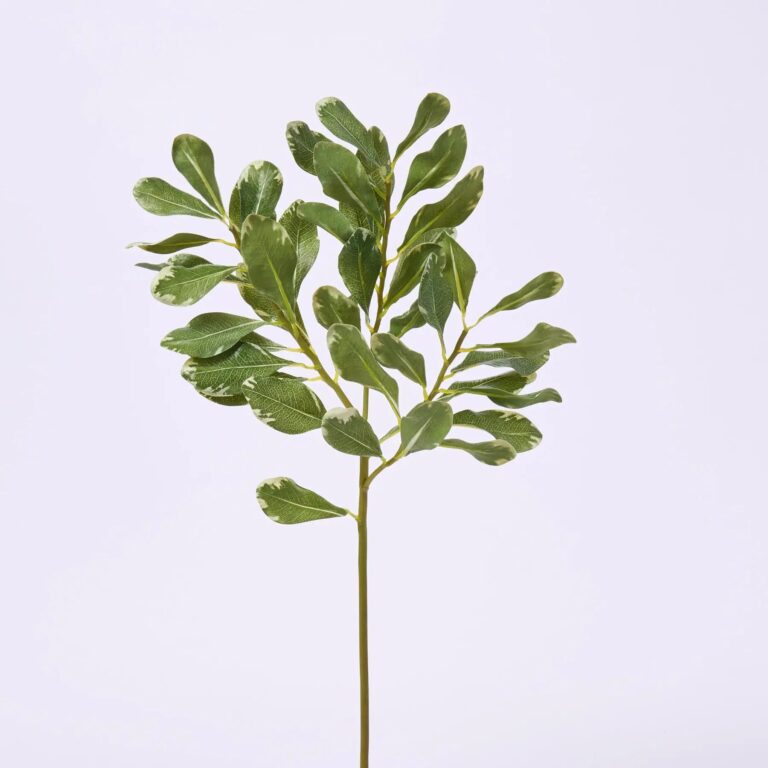
Single stems, sprays and bushes — fern, salal, cedar, ivy in 16–48 in. heights
The fill layer: wired into joints, corners and bare spots to kill the sparse look
The Garland Math: How Much to Wrap an Arch
Arch coverage is geometry, not guesswork. The working rule is 1.5× the length of every beam you wrap — the extra half buys the depth that makes a wrap read full instead of pasted on. From there, the arch type does the rest of the math for you.
Arch type
The measurement
Garland to plan
Circular arch, 6 ft. diameter
Circumference ≈ 19 ft. of frame
18–20 ft. total for a full wrap — three to four 6 ft. runs, joints staggered
Square or rectangle arch, 7–8 ft. wide
Two uprights + top beam; 1.5× each
~24–30 ft. for all three beams; front-face only drops it to ~15 ft.
Chuppah or four-post frame
Four uprights, often dressed on the front two only
~10 ft. per dressed post at 1.5×, plus a canopy run if the top gets greened
Triangle arch
Two slanted legs meeting at the peak
1.5× each leg, with the peak joint hidden under a bloom cluster
Two habits make the math land. First, join runs with floral wire at staggered points so no two seams sit at the same height — a staggered joint disappears into the foliage, a stacked one reads as a gap. Second, buy the 10–20 percent of droop slack the same way you would for a mantel run: garland that just barely reaches looks strung, garland with slack looks grown. For multi-arch weddings, order every run in one checkout — colorways carry the same dye-batch rule as the rest of the wedding collection.
Greenery Pairings for the Arch Frame
The greenery decides whether an arch reads organic or artificial — blooms get the credit, but the green layer does the convincing. Five pairings cover the wedding palettes.
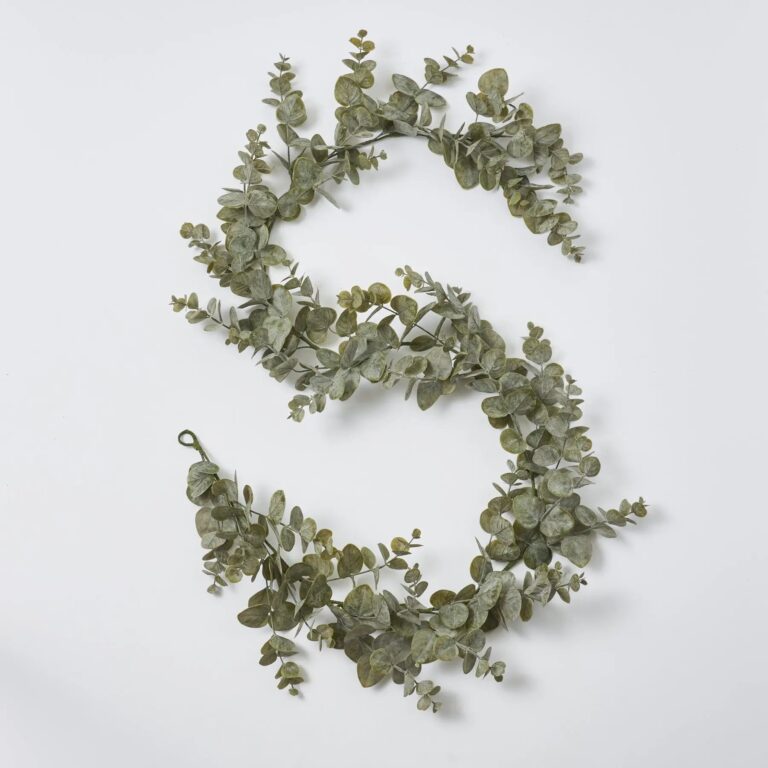
Eucalyptus: the base layer
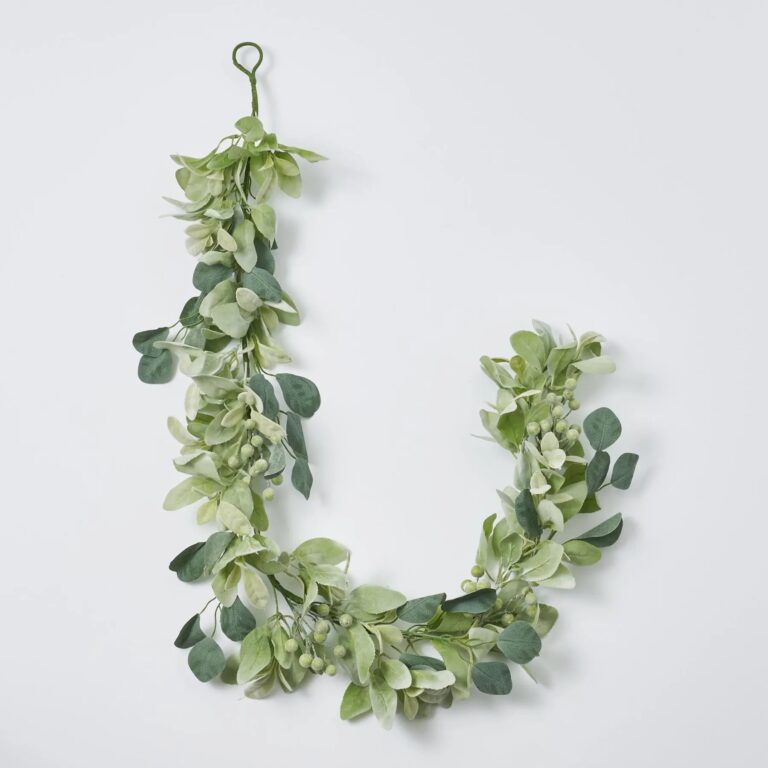
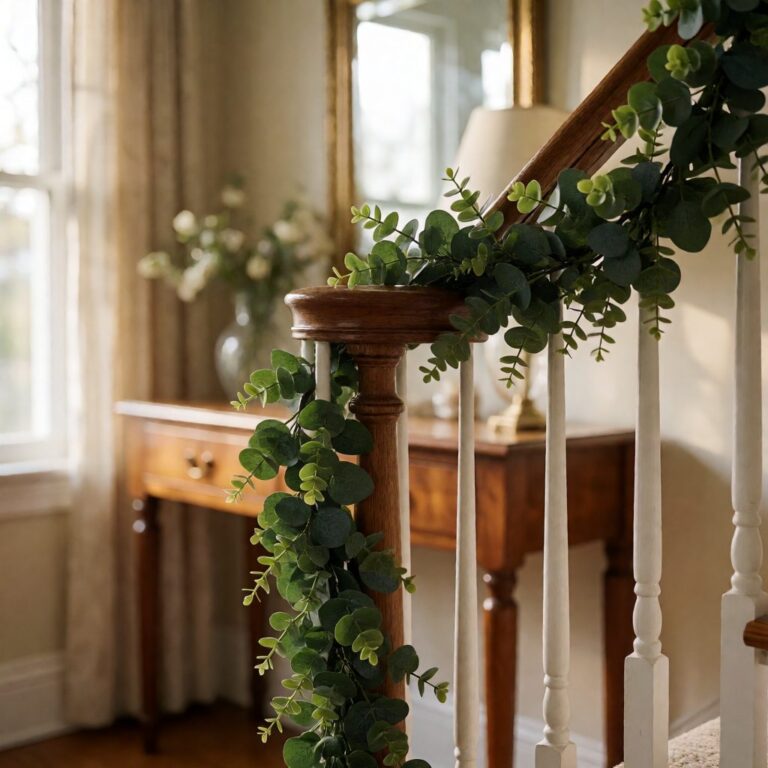
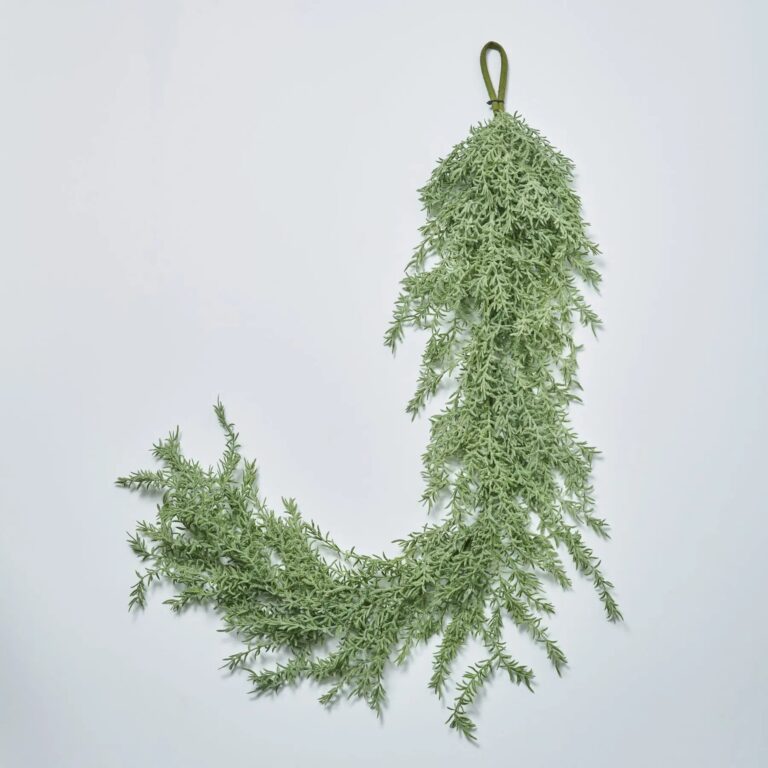
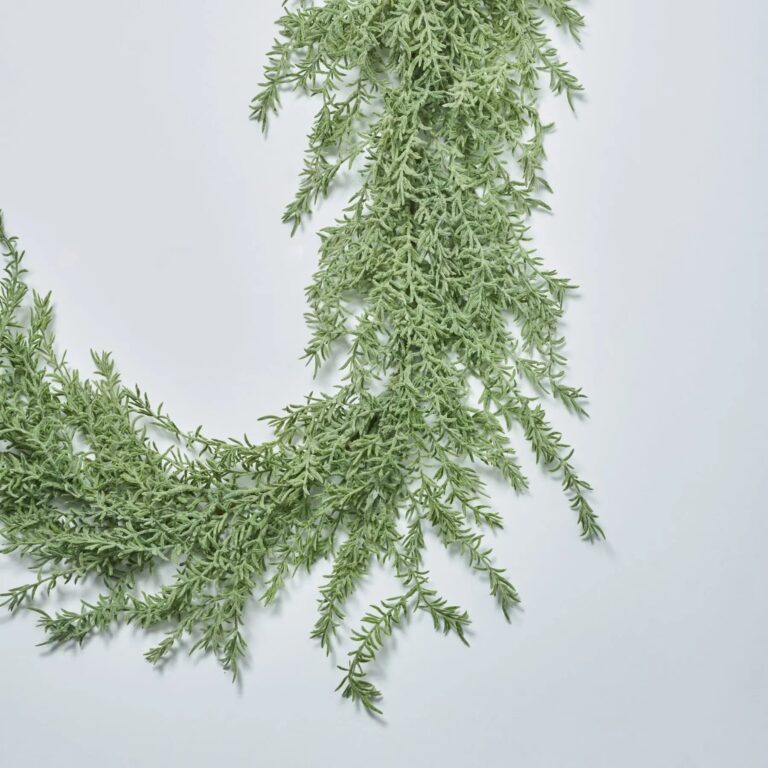
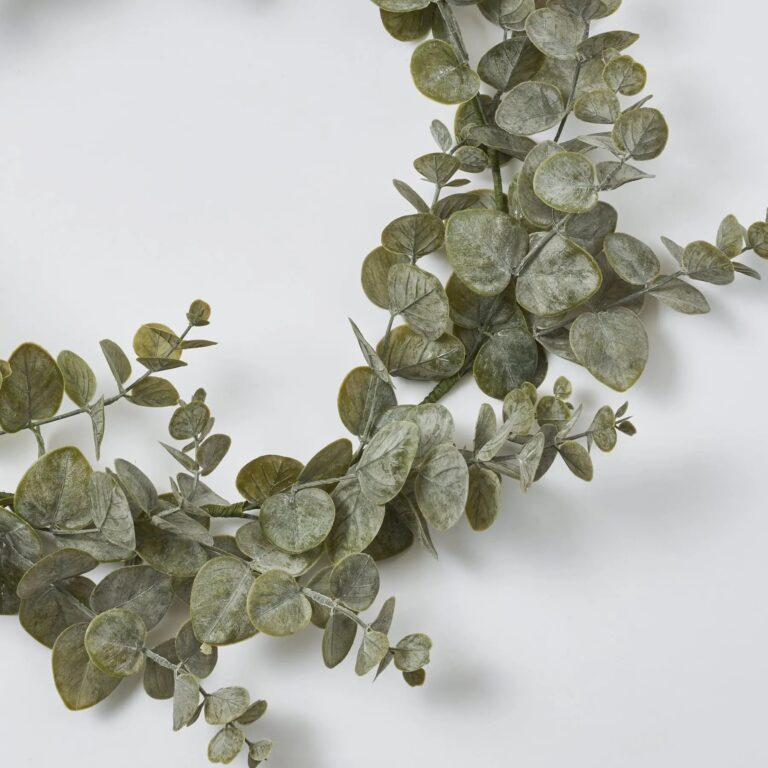
Eucalyptus garland is the default arch green for a reason: muted silver-green leaves, dense on both faces, and a texture that photographs soft. A set of 4 ft. eucalyptus runs is the easiest way to buy a full wrap in one line — ten measured pieces cover a circular arch with joints to spare, or dress a square arch front and sides. Run it as the first layer, zip-tied flat against the frame, and let everything else sit on top of it.
Sage: the soft neutral
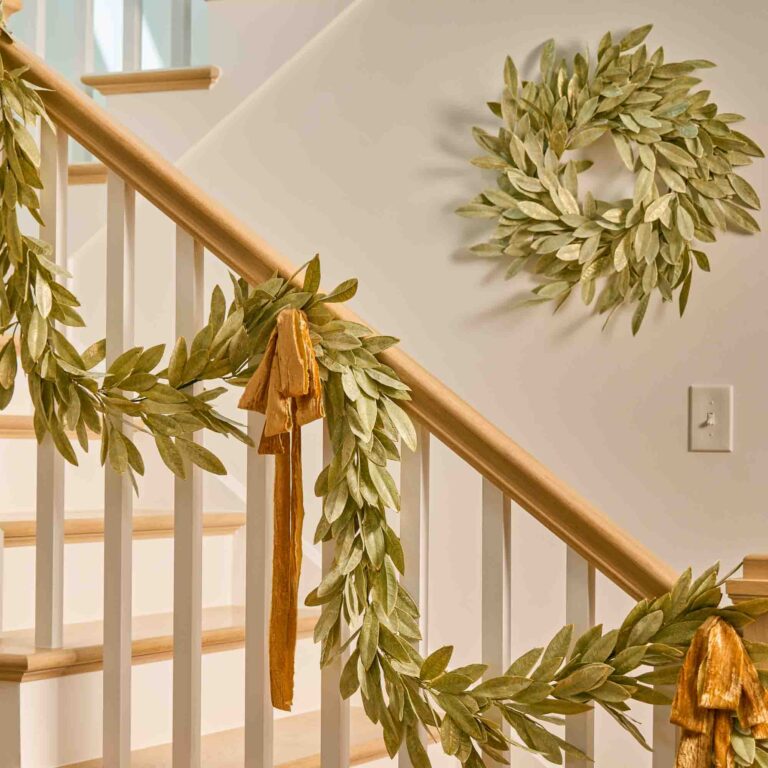
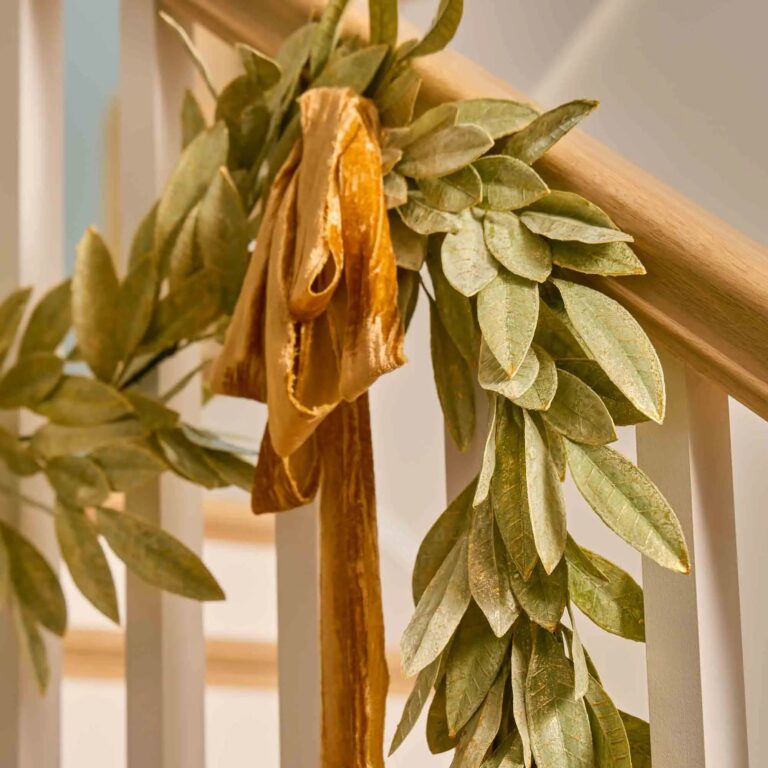
Sage green is the modern wedding neutral — it sits between green and gray, flatters both blush and terracotta palettes, and never fights the bridal whites. A real touch sage garland brings the petal-soft finish that reads as fresh-cut in close-up photography; run it where the arch meets the aisle, because that corner gets the most frame-filling shots.
Bleached and ivory: the editorial look
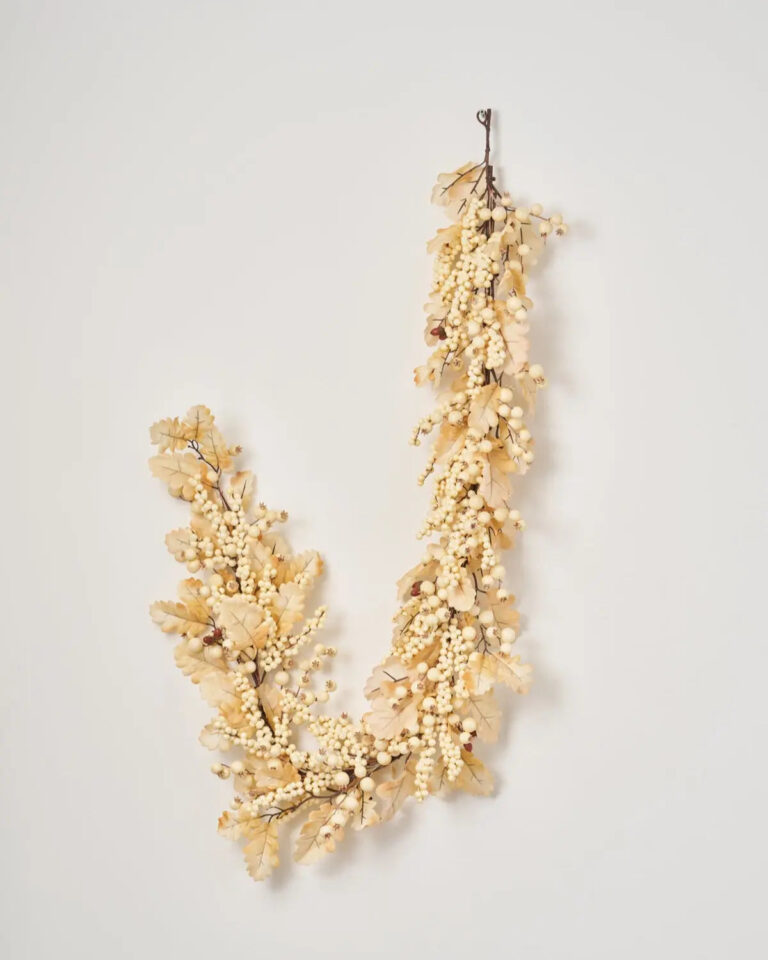
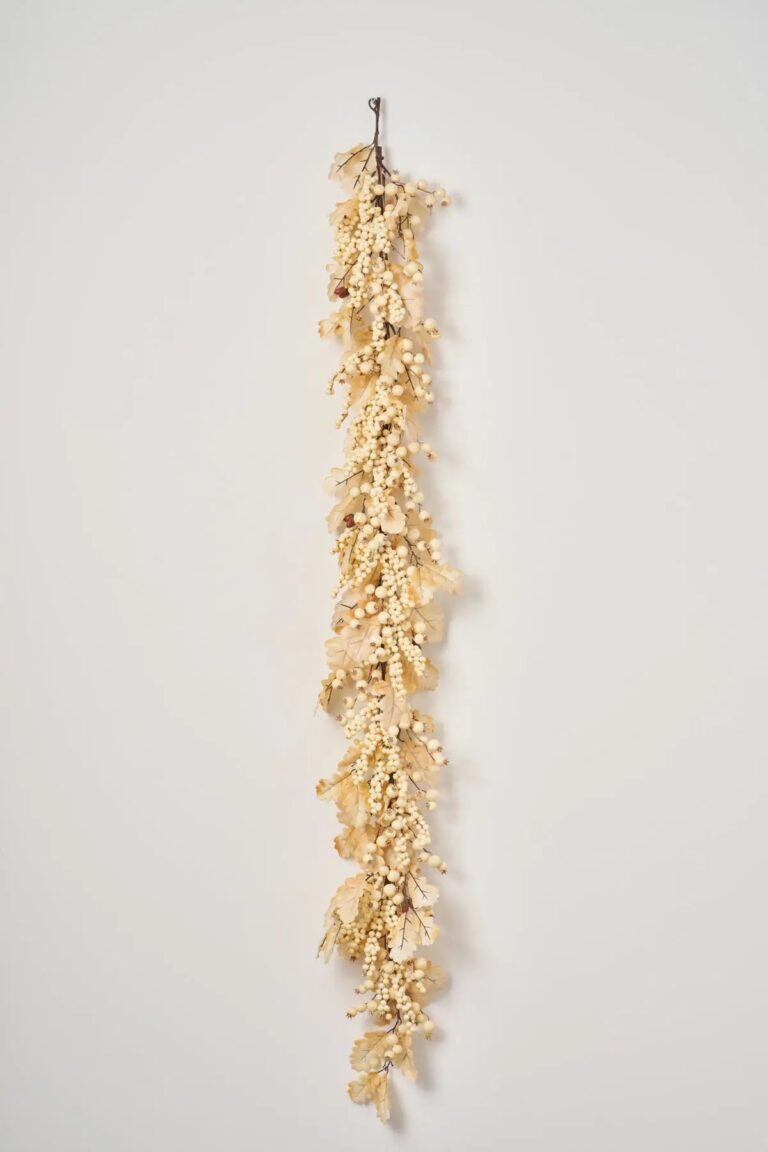
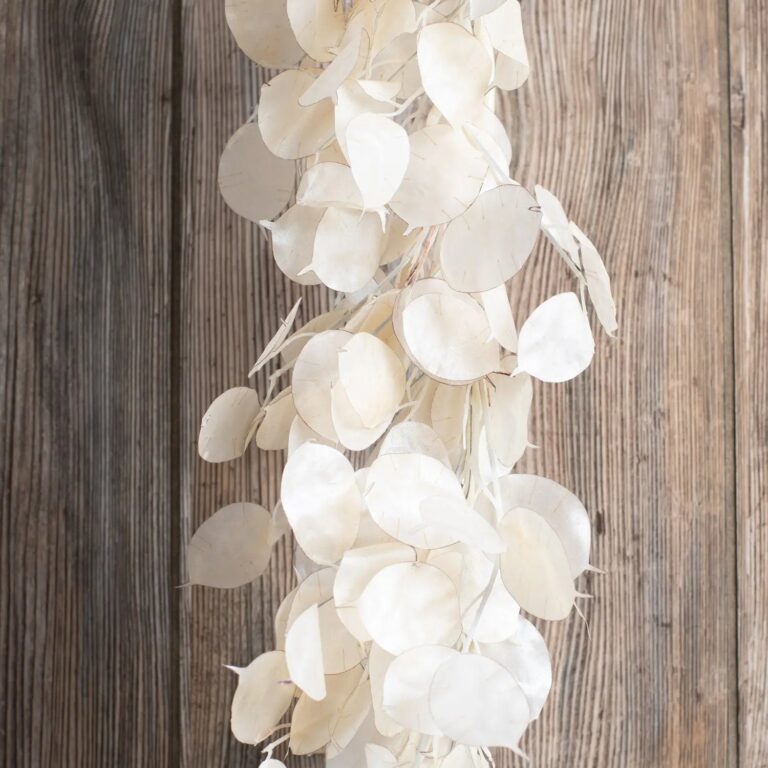
The bleached palette — cream, ivory, oat — turns the arch into a gallery piece for minimal and modern ceremonies. Bleached garland keeps the leaf structure but mutes it to parchment tones, so white blooms layered on top read as texture, not contrast. It is the pairing for all-white weddings, candlelit evening ceremonies, and any venue with warm stone or wood.
Fern and foliage stems: the depth layer
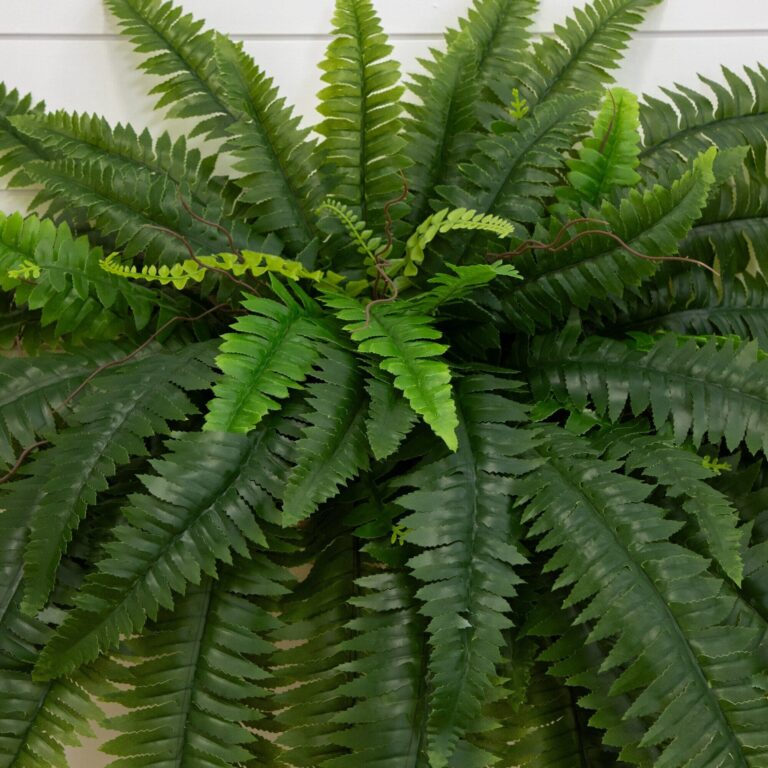
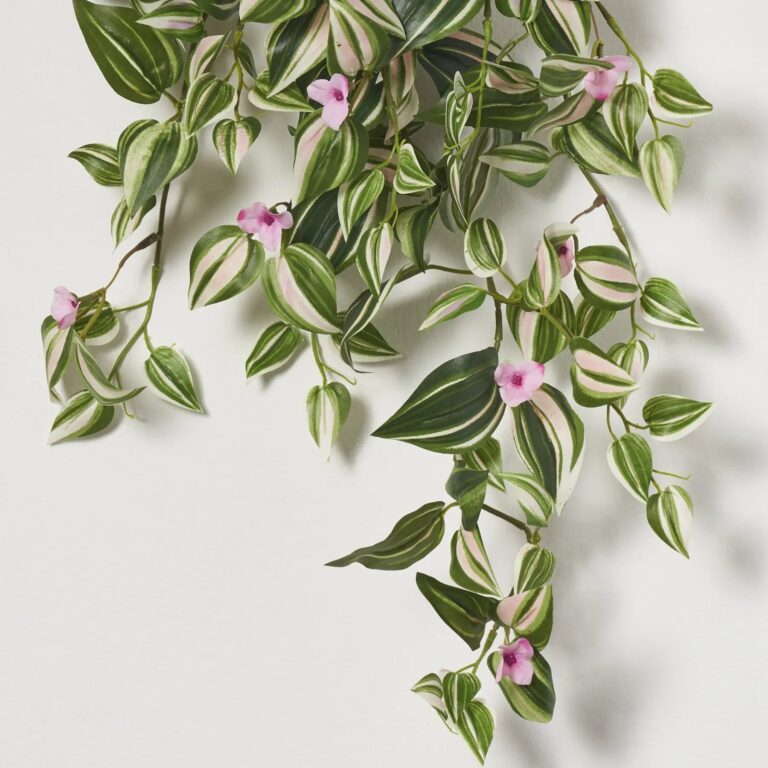
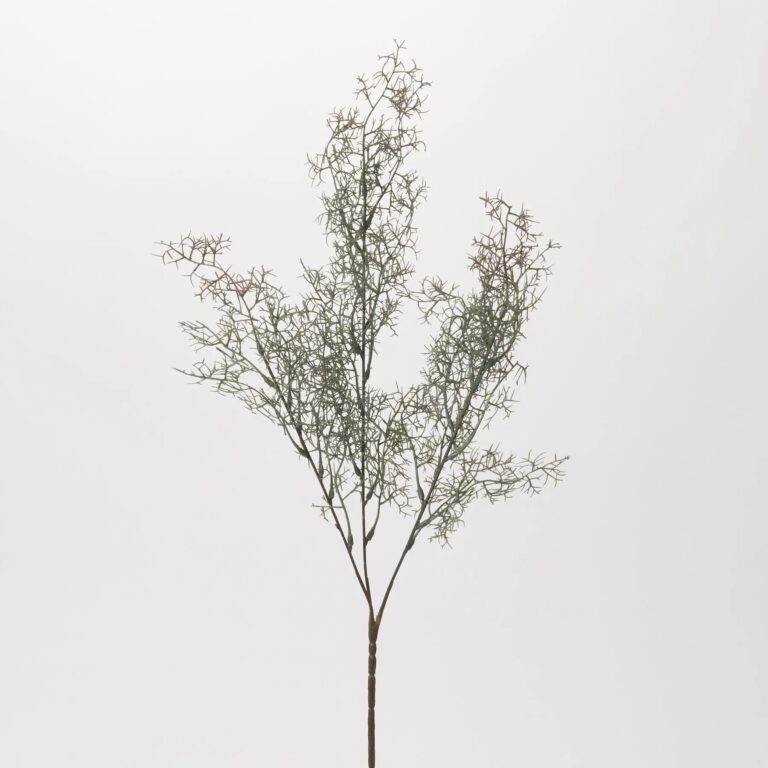
Garlands wrap the frame; stems give it depth. Boston fern fronds, salal sprays and ivy bushes wired in at the joints break up the regularity of the garland line — arches dressed only with runs look striped, arches with stems wired through them look grown. A single 48 in. Boston fern stem set tucked at each corner changes the silhouette more than another full run would.
Bloom clusters: the focal layer
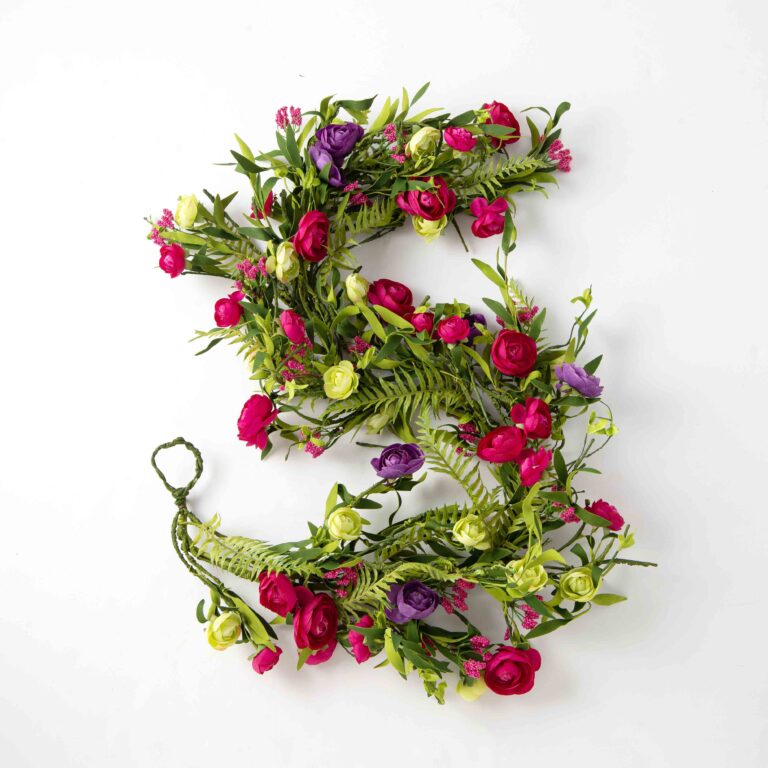
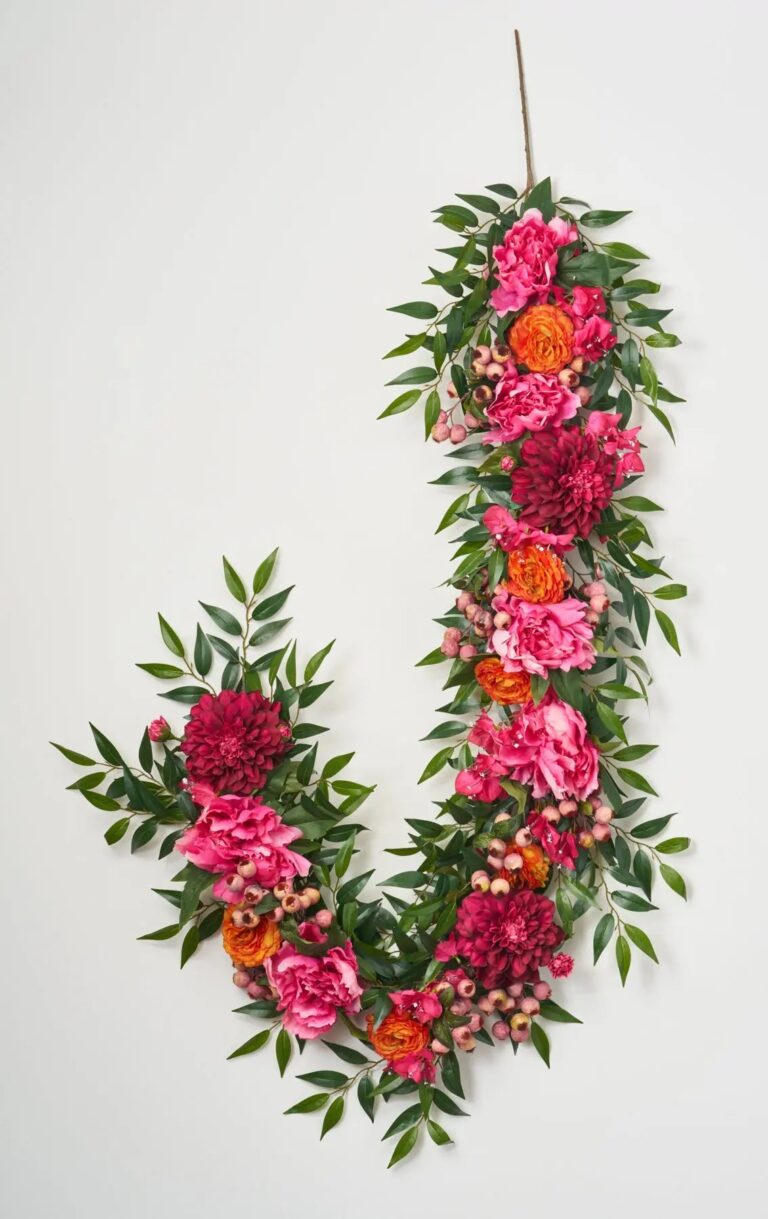
Blooms go on last and stay concentrated — three focal points beat forty scattered stems. The classic placement is one cluster at each arch foot and one at the peak, dense enough to hide the hardware. A bougainvillea and eucalyptus garland in pink already carries its blooms wired in for a one-piece statement; for layered builds, a peony and ranunculus garland in fuchsia can be stripped for clusters and distributed along the green wrap.
Ordering Artificial Flowers for a Wedding Arch
Arch orders run on the same calendar as the rest of the wedding collection: delivery lands with at least two weeks of buffer, because silk keeps indefinitely and the buffer costs nothing. Spend it on a dry-lay — build the arch or mark its footprint in the actual venue space if you can, run the actual garland lengths over the actual frame, and settle the joint positions and cluster placements before the day. Crews who dry-lay once run wedding-morning setup in half the time, and any replacement still fits the calendar with room to spare. Ordering the garlands, greenery stems and bloom runs in a single checkout keeps the palette on one dye batch, which matters most on an arch: it is the one arrangement guests view from underneath, where a mismatched green reads loudest.
Installing the Arch: The Day-Before Method
Silk arch flowers install in one pass, the day before, in roughly the order of the layers. Stand and level the frame first. Zip-tie the garland runs to the frame — ties every 12–18 in., hidden under foliage, no nails and no venue-damage fees. Wire the greenery stems into the joints and corners next, then place the bloom clusters last, once the green silhouette is settled. Fluff everything once, bending stems out of the spine and fanning foliage, because shipping flattens every piece — a few minutes per run restores the full silhouette, and the unboxing notes on each listing show the process. Outdoor arches get one extra step: doubled tie points on any open-air site, and a wind check on the canopy line. When the ceremony ends, the whole dressing comes down without a mark on the frame, and the runs store flat for the next wedding.
Frequently Asked Questions
How much garland do I need for a wedding arch?
Plan 1.5× the length of every beam you wrap. A 6 ft. circular arch has roughly 19 ft. of frame, so a full wrap takes 18–20 ft. of garland — three to four 6 ft. runs with the joints staggered. A 7–8 ft. square arch dressed on all three beams takes about 24–30 ft.; dressing the front face only drops it to roughly 15 ft. Buy the droop slack exactly as you would for a mantel run, and round up to whole pieces.
Can I set up an artificial flower arch the day before the wedding?
Yes — that is the point of silk. Garlands and greenery hold their silhouette with no water and no wilting clock, so the full wrap can go up 24 hours early and stay through an outdoor evening. Give open-air sites doubled tie points and a wind plan, fluff once after install, and leave only the final bloom-cluster placement for the morning if you want the option to adjust.
Will artificial arch flowers look fake in photos?
Not at arch distance — and the close-ups are what real touch finishes are for. The green layer does the convincing: muted sage and eucalyptus tones, full foliage on both faces of the run, and stems wired through the joints so nothing reads striped. Real touch petals carry the soft-texture look for the shots taken at the arch foot. The habit that betrays a fake flower arch is never the material — it is sparse coverage, which the 1.5× wrap rule solves outright.
Can wedding arch flowers be kept or reused after the ceremony?
Every piece stores flat and serves again. Strip the zip ties, coil the garland runs loosely, and keep them boxed out of direct sun — silk keeps indefinitely, so the arch dressing from wedding one can dress the anniversary arch, a backdrop wall, or the mantel every season after. UV-stable strands used outdoors hold their color for years; open-air pieces age cosmetically rather than structurally, and a rinse-and-fluff restores most of the finish.