















The green side of the outdoor line — boxwood balls and hedges, ferns, grasses and topiary shapes that stay green without sun requirements, watering or the annual die-back. For planters, borders, shaded corners where flowers refuse, and entry styling that reads tidy all year. Sun exposure notes on every listing.
Quick answer: The green side of the outdoor line — 4 shape families (boxwood balls and hedges, ferns, grasses, topiary) that stay green without sun requirements, watering or annual die-back. Built for planters, borders and shaded corners where flowers refuse; every listing carries a sun-exposure note so pieces match the light they will actually face.
Outdoor Artificial Plants, Explained
Why greenery instead of flowers
Flowers answer 'what blooms here'; greenery answers 'what looks after itself here.' Boxwood balls and hedges give an entry permanent structure; grasses soften fence lines and mailboxes; ferns fill the dry shade under porches and north walls where flowering plants — real or artificial — read as attempts. In outdoor styling, greenery is the furniture and flowers are the art: this page is the furniture, and containers of it read intentional from the street in every month of the year, including the brown ones.
The shapes and where they go
The five outdoor shapes and the placements each one owns:
Every listing states the plant's height, spread and pot/base situation, so the styling math works at checkout.
Sun and weather, honestly
Green foliage hides fading worse than blooms — there is no pigment to drift — so the honest sun note on each listing is about leaf material more than color: stabilized PE and PP leaves hold their green and their flexibility for seasons of direct sun, while unstabilized grades go brittle and pale in one summer. Rain runs off the leaf structures and drains through the potting base. Wind is a mounting question — tall topiary wants a weighted planter, not a light pot — and snow load flattens shapes temporarily; most bounce back with hand shaping.
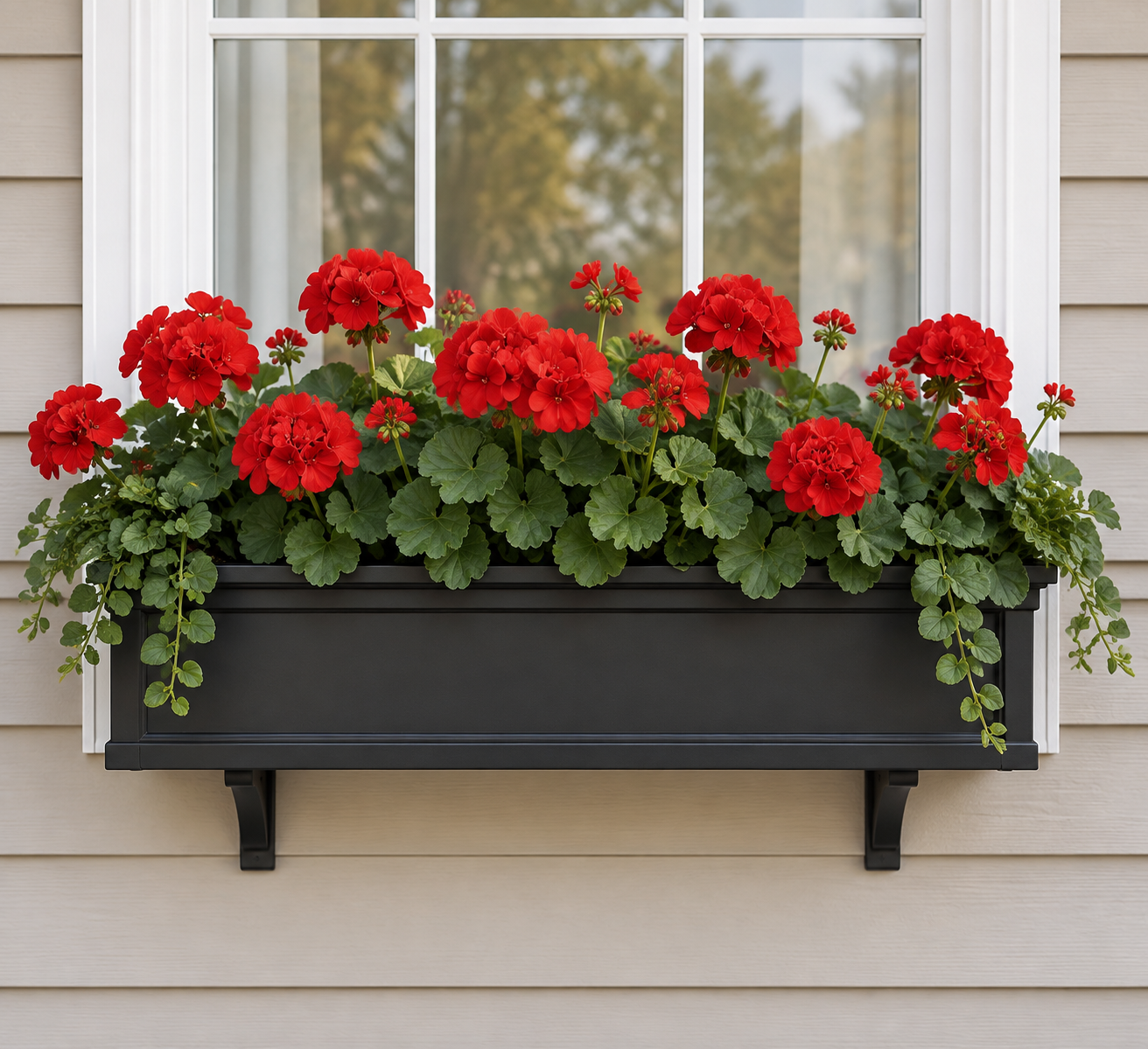
Planters, bases and the styling math
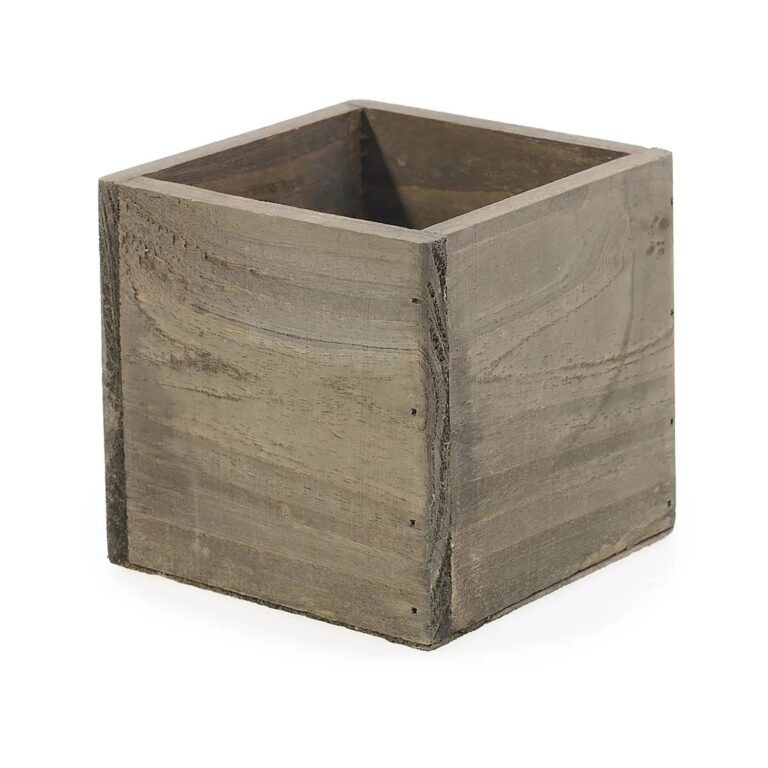
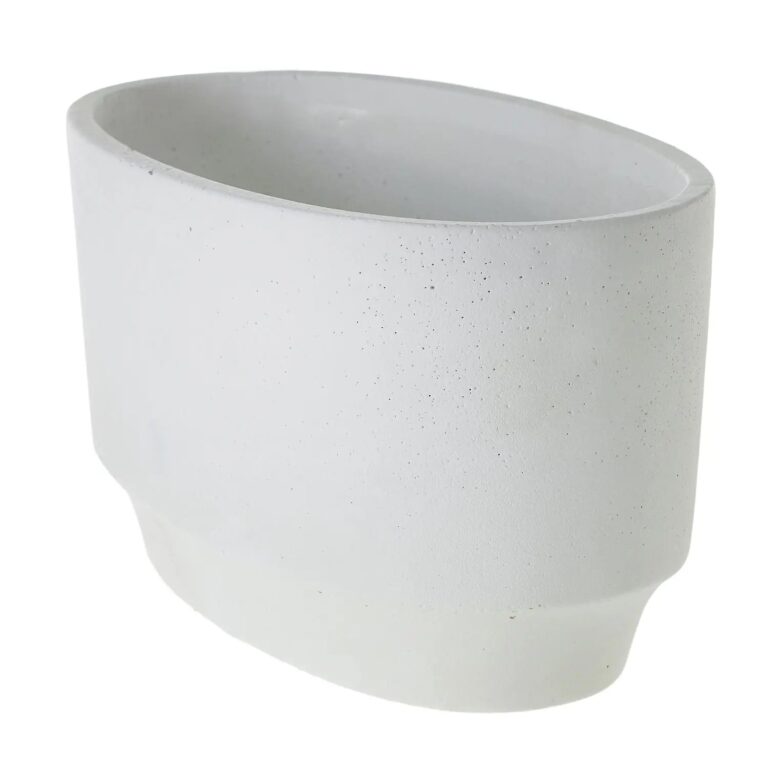
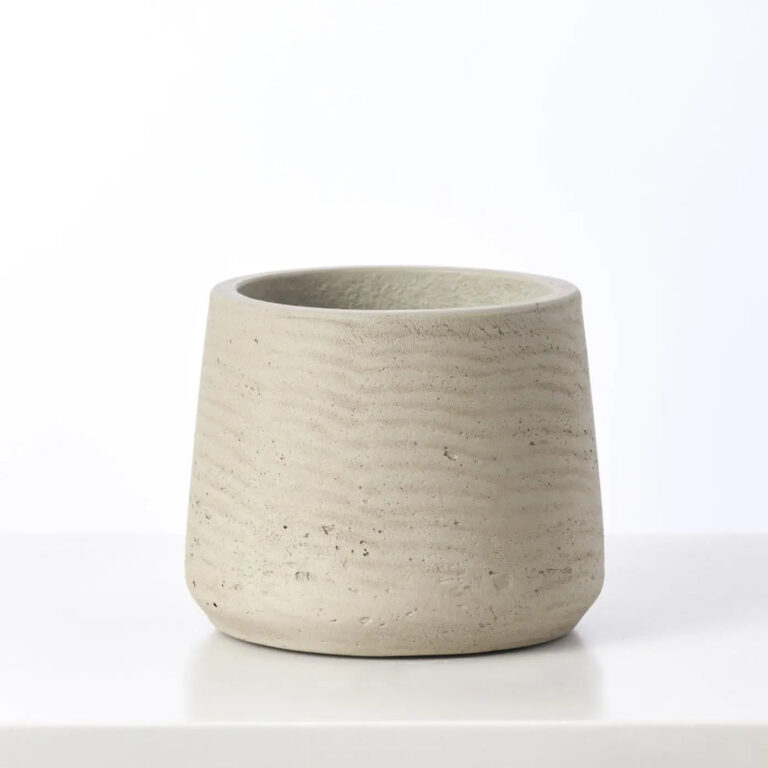
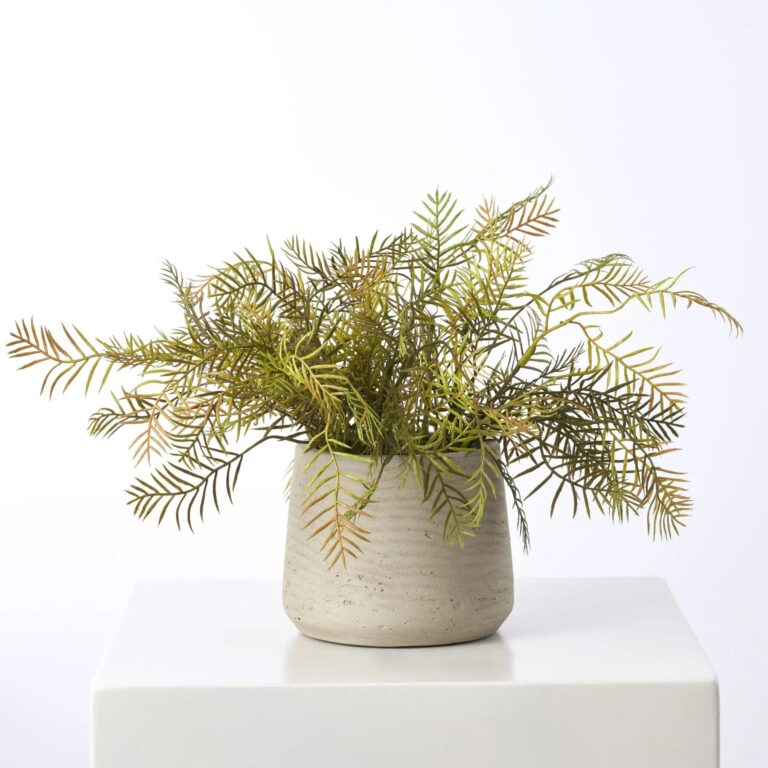
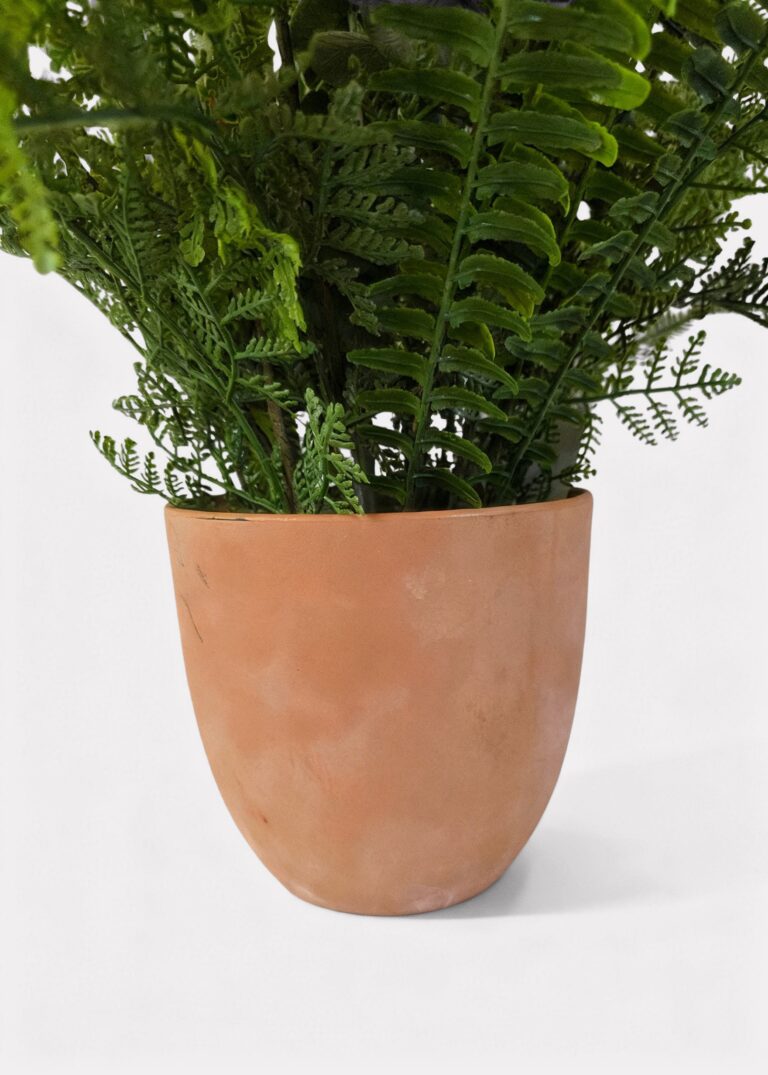
Most pieces here arrive as bare-rooted or pre-potted units; the listing states which, and the pre-potted ones photograph the exact pot that ships. In the field: drop bare-rooted pieces into planters with gravel or foam and cover with mulch or moss; weight tall shapes against wind; group odd numbers (three or five) for borders. The step-down test for styling: anything that looks good in December and in July belongs outside — evergreen structure passes that test by definition, which is the whole argument for this page.
How to Choose Outdoor Artificial Plants
- Start from the job.
Structure → boxwood balls and hedges; softening → grasses; dry shade → ferns; formality → spiral topiary. The job picks the shape.
- Read the leaf material.
Stabilized PE/PP leaves hold green and flexibility for seasons of sun; unstabilized grades go brittle in one summer — spec on every listing.
- Size in place.
Height and spread are stated per listing — measure the planter and the clearance (door swing, walkway) before the cart, not after.
- Weight for wind.
Tall topiary and hedges want weighted planters against gusts; bare-rooted pieces anchor in gravel or foam under mulch.
- Style in odd numbers.
Three or five grouped reads intentional; one alone reads lost — and evergreen structure passes the December-and-July test by definition.
Outdoor greenery is half the plant program — the olive trees and palms pages carry the covered-porch statements, and the artificial plants index maps the indoor side of the line.
Frequently Asked Questions
Can you put artificial plants outside?
Yes, when the materials are outdoor grades — which is what this page stocks: stabilized PE and polypropylene greenery built for sun and rain exposure, with the material spec and sun note on every listing. The failure case is indoor grades pressed into service: silk ferns and unstabilized plastics bleach and go brittle within a season of direct sun. The honest split that governs the whole outdoor line applies here too — sun ages everything (slower for stabilized grades), rain runs off, and storms are crush events no material spec survives.
How do I make artificial plants look real outside?
Work the staging, not the claims. Plant them properly — bare-rooted pieces seated in gravel or foam, topped with real mulch or moss, so the base reads planted rather than stuck. Mix with real material: an artificial boxwood ball in a bed beside real hostas borrows credibility from its neighbors. Keep shapes slightly imperfect (rotate weekly so growth shadows vary). And keep them clean — dust is what reads fake at porch distance faster than any material. Distance does the rest: structural greenery reads as planted from the street in a way blooms never quite manage.
Do outdoor artificial plants fade?
Greenery hides fading better than blooms — there is no bright pigment to drift — but the leaf material itself still ages in sun. Stabilized PE and PP leaves hold their green and flexibility for seasons of direct exposure; unstabilized grades pale and crack within one strong summer, which is why the material spec is printed on every listing here. Shaded and north placements stretch the clock to years. The end-of-life pattern is gradual: leaves stiffen and pale before anything fails structurally, and half-faded greenery steps down to sheltered corners for extra seasons.
What are the best artificial plants for shade?
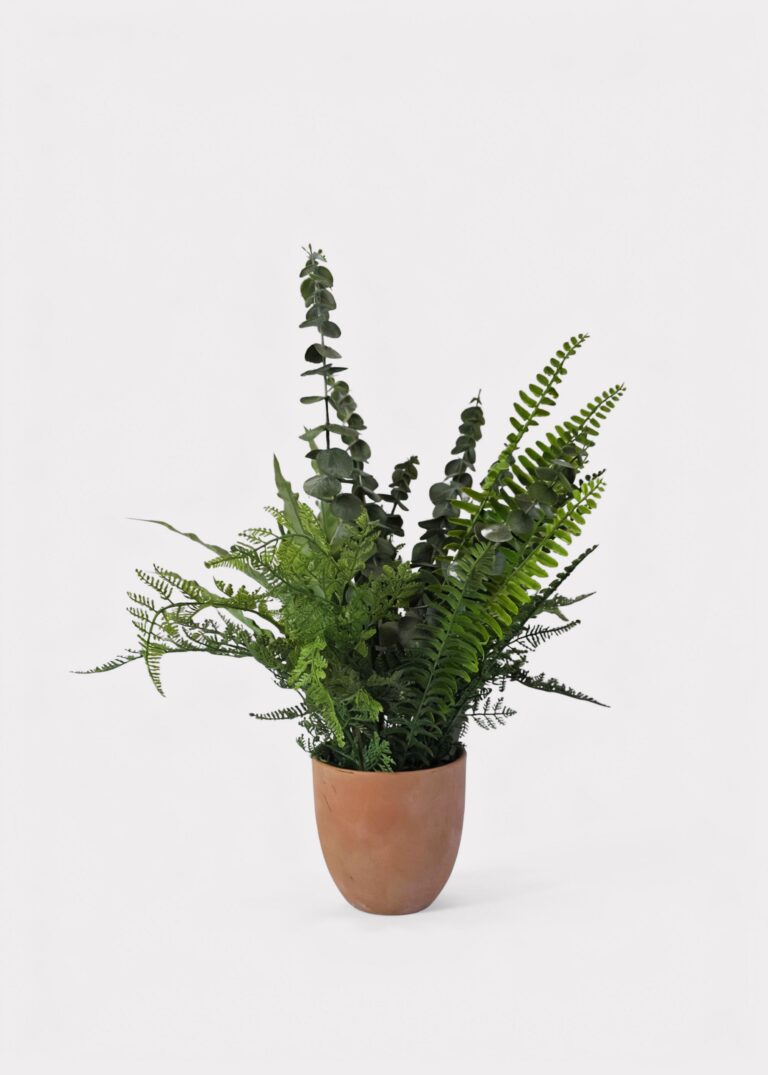
Ferns own dry shade — under porches, along north walls, in the corners where flowering plants read as attempts, real or artificial. Boxwood performs in shade too, which is half its value: the same ball reads the same in a dark entry as in full sun, unlike flowering pieces whose whole point is color. Grasses handle the half-shade of fence lines. The underrated advantage of the artificial route in shade: real shade gardens fight for the right plants, while the artificial version skips the biology and goes straight to the look.
How do I secure artificial topiary outdoors?
Weight at the base, honestly sized. Tall spirals and cones catch wind like sails, so they belong in weighted planters — a layer of gravel or paver base under the rooting material — or anchored with a discreet stake through the root ball into the ground for bed placements. Balcony rails want strapped or tied panels rather than balanced ones. Check the mount when you re-stage each spring: the failure mode for topiary is almost always tipping, not material, and a ten-second wiggle test after the first big wind tells you everything.