
Outdoor Garlands

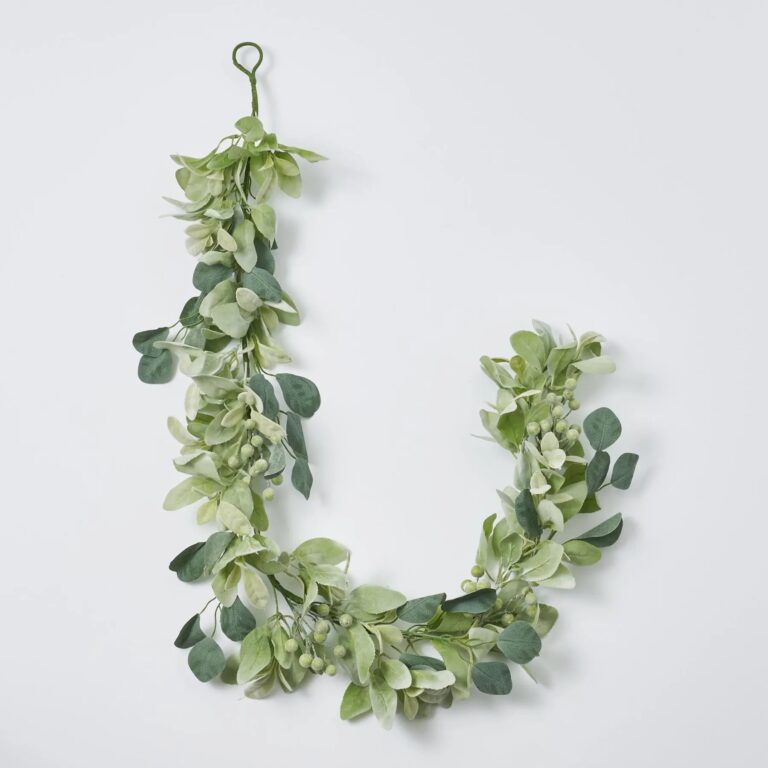
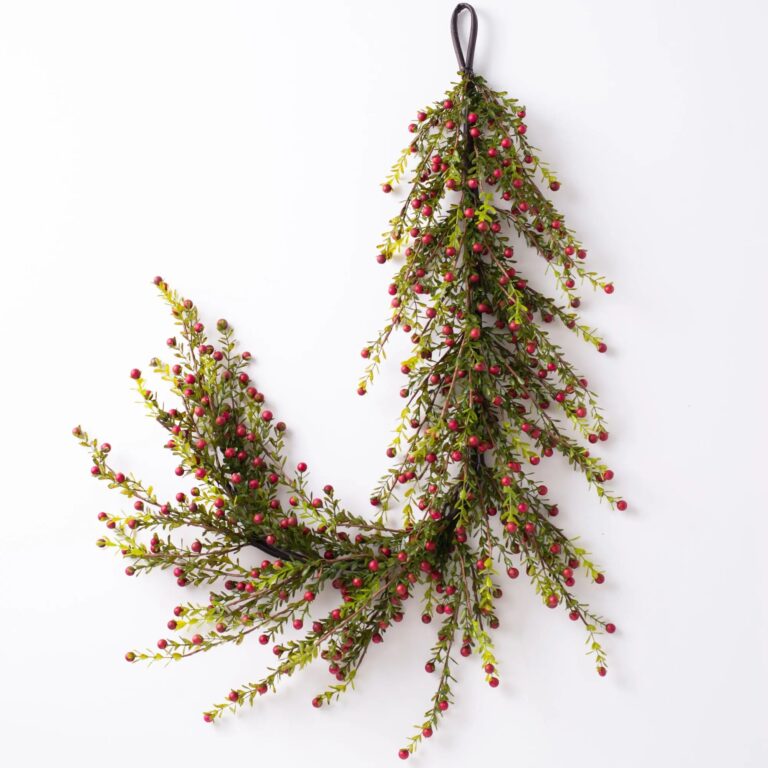
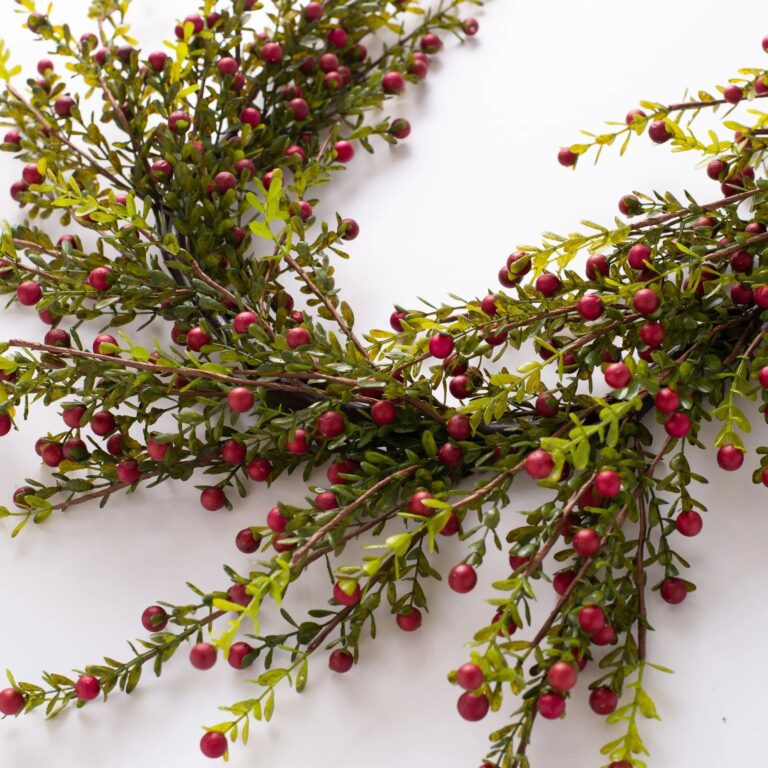
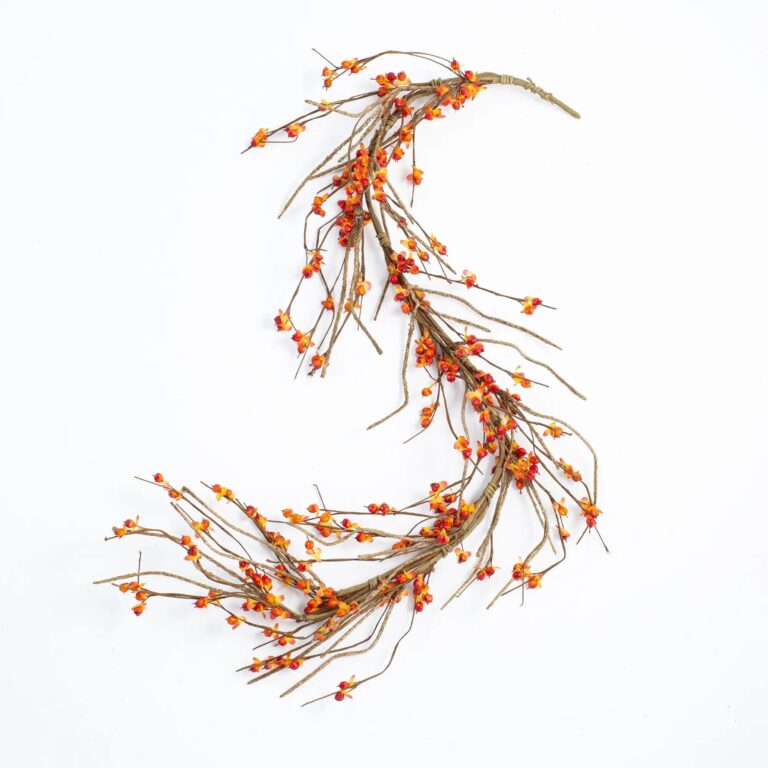
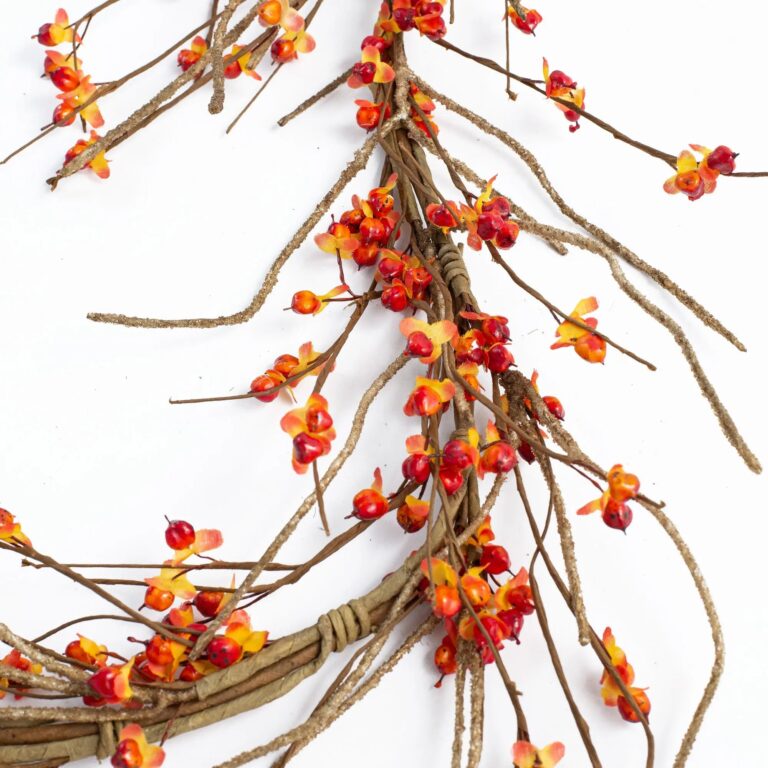

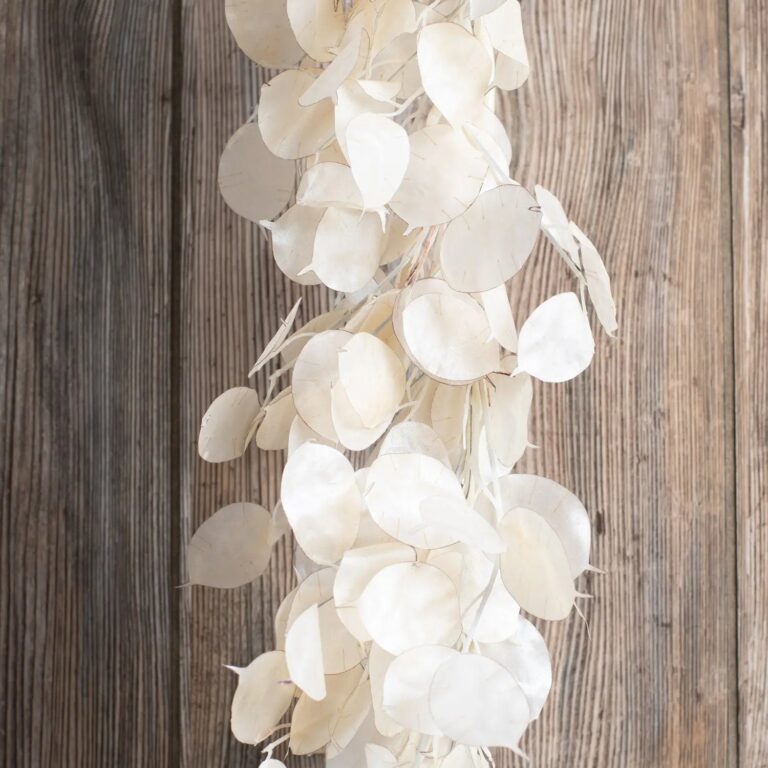
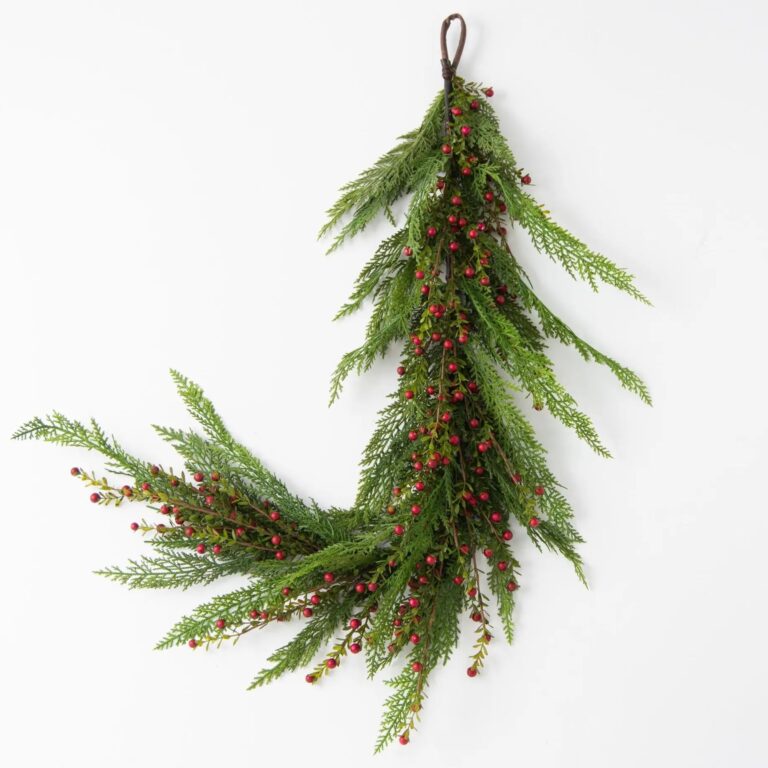
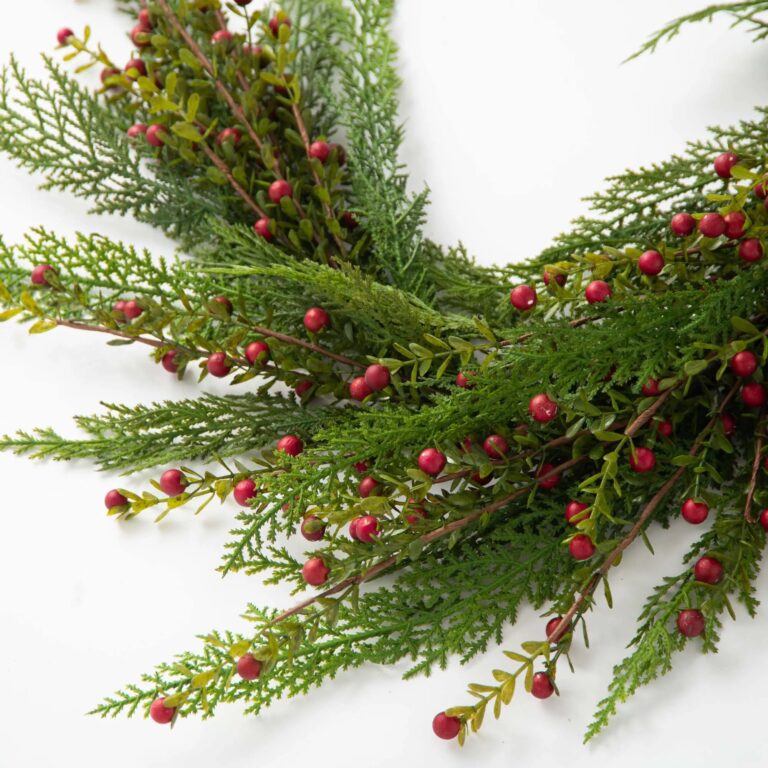
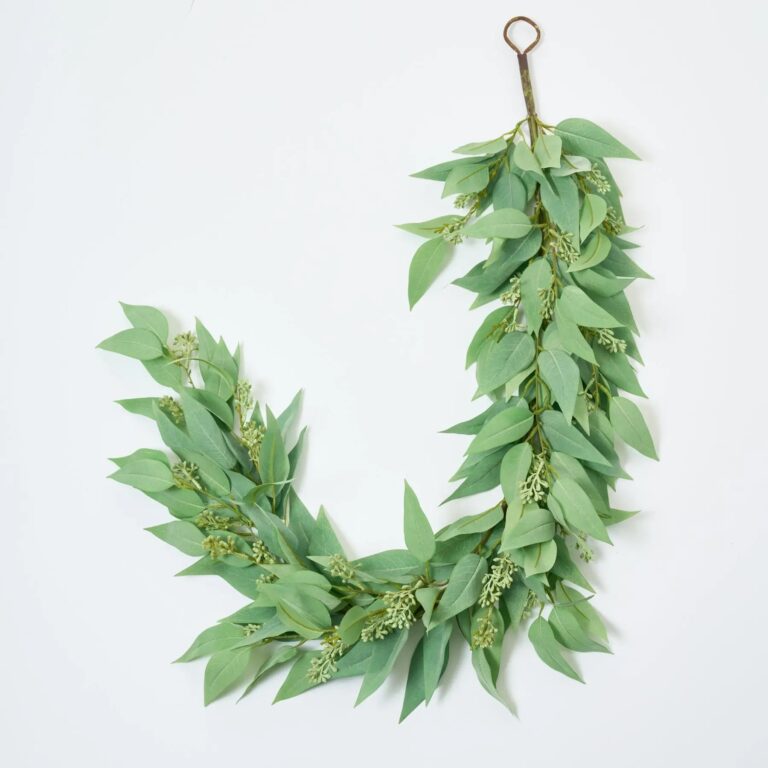
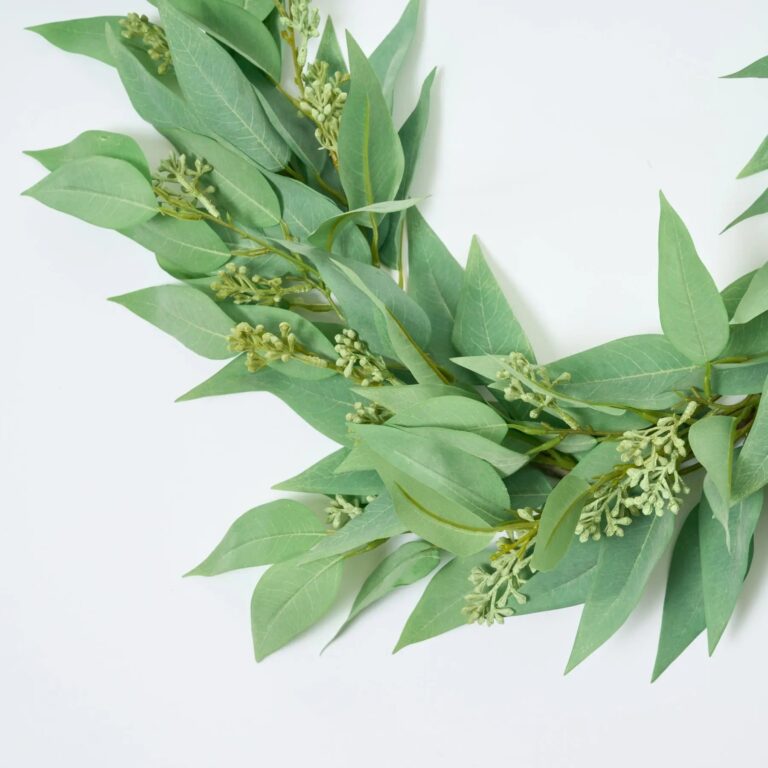
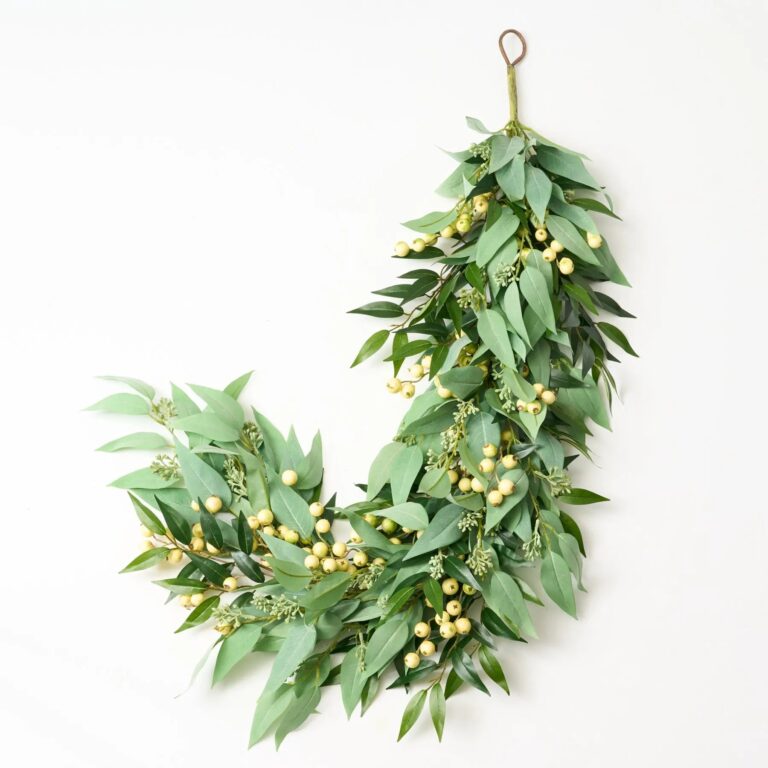
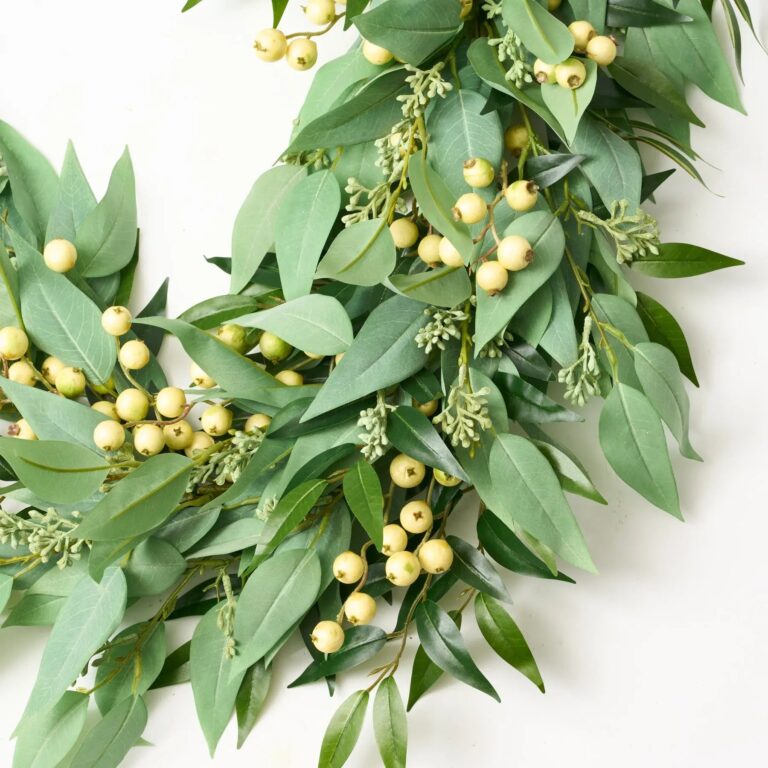


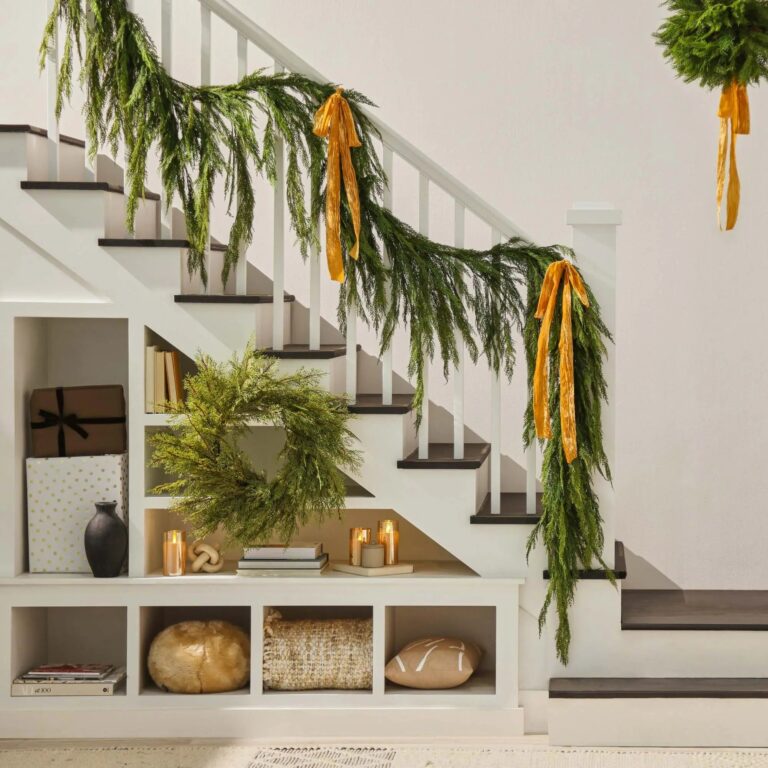
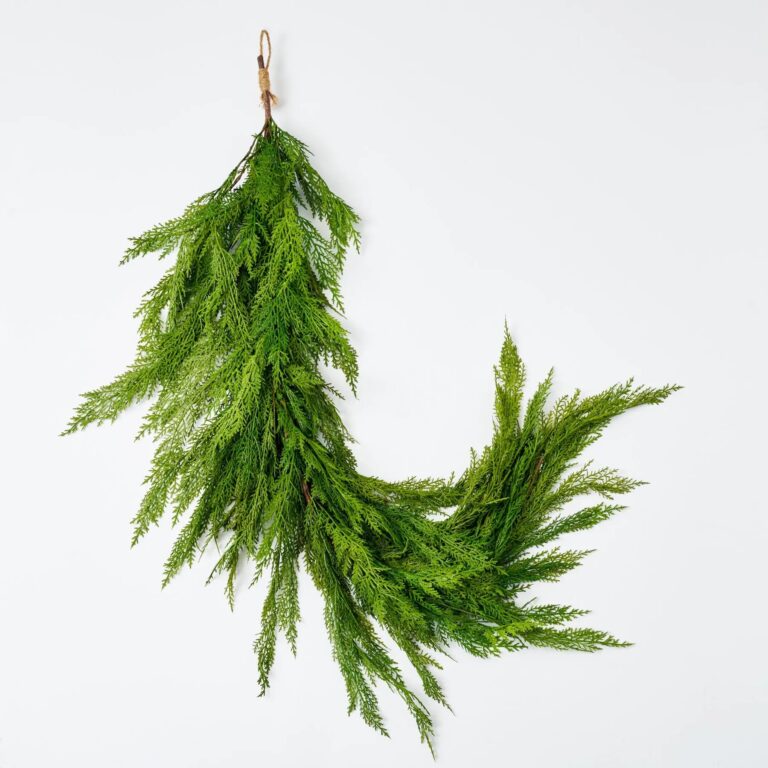

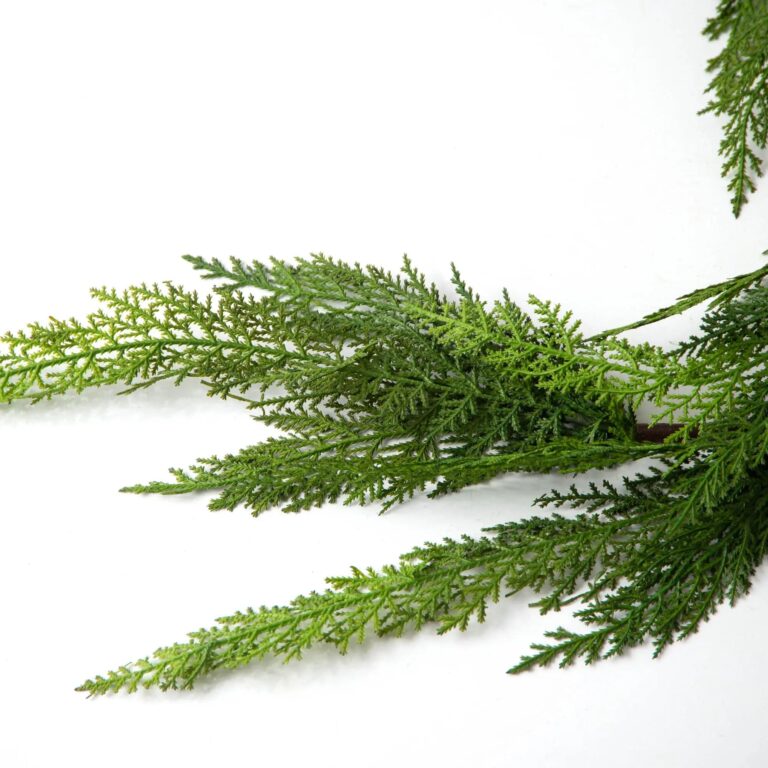
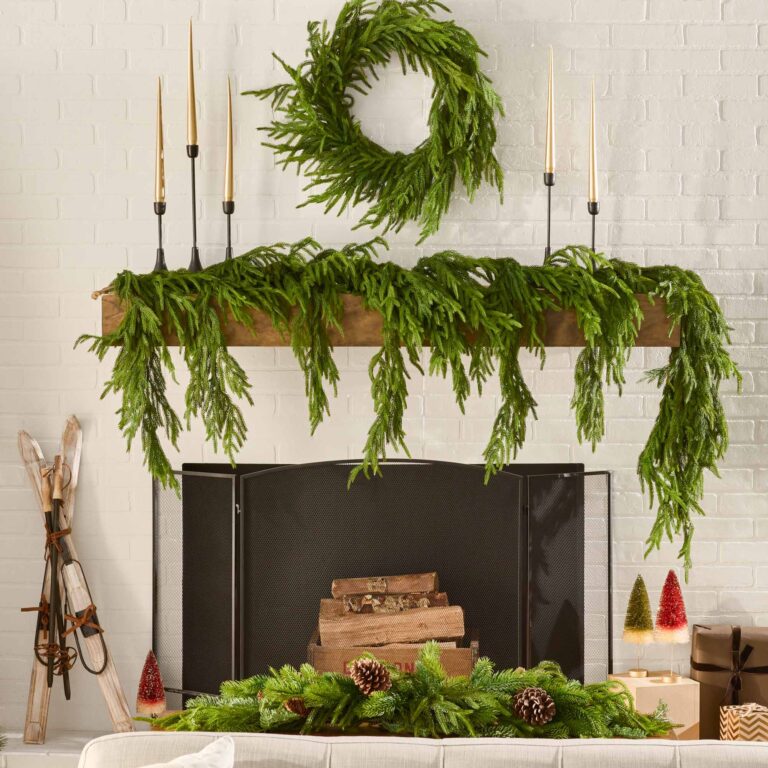
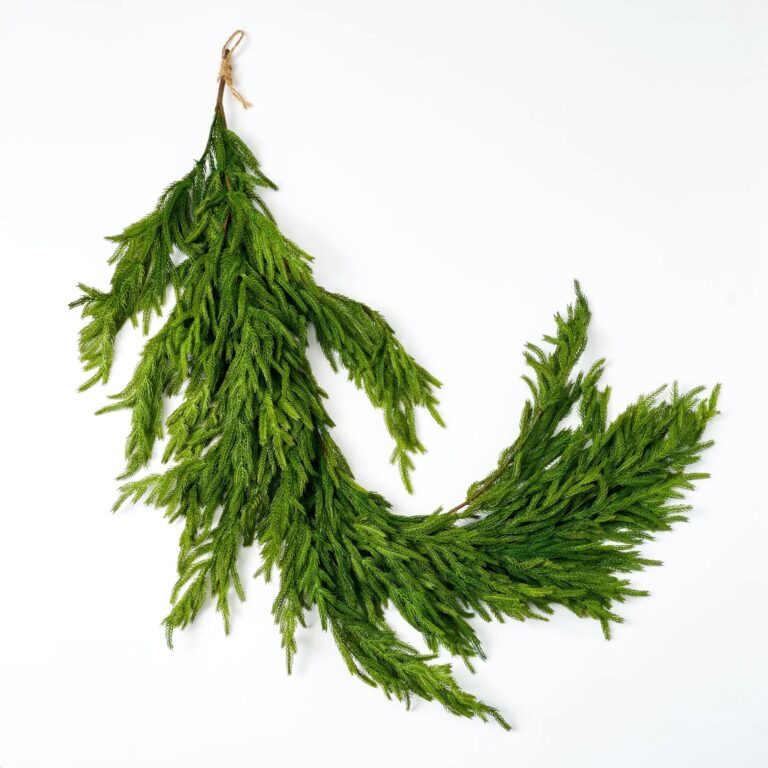
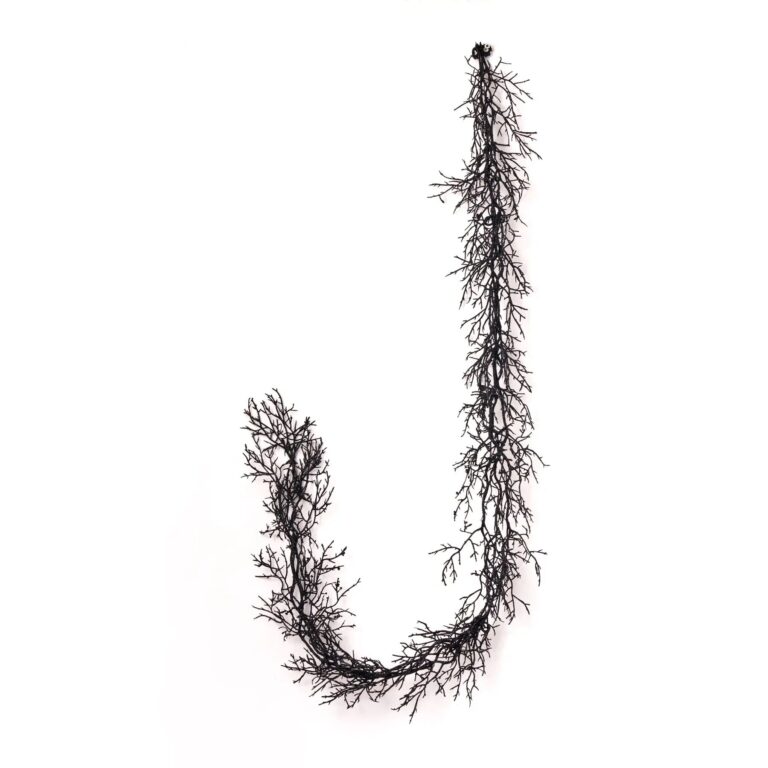
An outdoor garland is the strand graded for the weather — UV-stable foliage, weather-tolerant spines and battery lighting, built for porch rails, fence lines, gate frames and front-door wraps. This page is the outdoor line's own guide: the exposure grading that decides what survives where, the three signature installs (porches, rails, front doors), the anchoring and lighting that separate a season-long run from a storm casualty, and the honest limits of what "outdoor" means for any artificial botanical.
Quick answer: Grade by exposure first: covered porches run any build all season; open rails and fences want UV-stable grades, which fade in sun over years rather than seasons — slower, not never. Rail runs take railing run × 1.5 for the spiral; door frames take 8-10 feet wound once. Market bands as of October 2026, USD: $25-60 per 9 feet plain, $50-130 decorated, UV-stable at the bands' top — with the November peak (27,100 monthly lookups against a 3,600 baseline) clearing decorated builds with the first decorating weekend.
Outdoor Garlands, Explained
What an outdoor garland is
An outdoor garland is the weather-facing half of the garland line — the same wired-spine strands as the mantel and stair families, built and graded for exposure: UV-resistant foliage that holds color in sustained sun, spines and joinery that take rain and wind, and lighting spec'd battery-first because exterior cords are a hazard and an outlet problem at once. Its placements are the house's outdoor architecture: the porch rail, the fence line, the gate frame, the porch post, the front-door frame wrap, the mailbox — the entry's whole exterior, which is why the outdoor searches run 3,600 lookups a month at baseline and 27,100 at the November peak. The one thing an outdoor garland is not, and which this page will not pretend, is weatherproof in the way a fence picket is: every honest outdoor line is graded exposure, not immunity, and the grading below is the whole subject.
Every listing states its measured length — 6, 9 and 12 feet are the standard sections — and the photo shows exactly one garland unless the title says a set.
Exposure grading: covered, partial, open
The outdoor line's real product is a three-tier grading, and buying starts at the tier, not the flower. Covered — porches and entries with a real overhang: any build in the garland line runs the whole season without complaint; the weather never reaches the strand, and the only outdoor question left is lighting. Partial — shallow eaves, side porches, spots that take morning sun and blown rain: standard silk runs a season or two before open-air fading shows, so tiered decisions pay — standard grade for a one-season December run, UV-stable for anything that stays up year-round. Open — fence lines, gate frames, railings with no cover at all: UV-stable grades as the floor, because sustained direct sun fades standard dyed fabric over a season or two and UV-stable grades stretch that to years — slower, not never — and the structural spine holds regardless, so open-air aging is cosmetic rather than failure. No tier is sold as forever; the honest framing is that open exposure is a maintenance schedule, not a dealbreaker.
The three signature installs
The porch rail is the outdoor line's stair rail: railing run × 1.5 for the spiral, a 10-foot rail taking about 15 feet from two overlapped 9-foot pieces, zip-tied every 12-18 inches for storm-fast release. The fence line and gate frame run 6-foot sections chained with floral wire between posts, the line's most open exposure and the UV-stable tier's home ground. And the front-door frame wrap is the entry's signature: 8-10 feet wound once around a standard 36-inch door's frame trim, or 12-14 feet for the full top-and-sides wrap — the arithmetic lives in full on the doorway garlands page, and the outdoor question specific to it is the overhang: a deep porch runs anything, a bare frame runs the same UV-stable logic as a fence line.
The storm plan, written at install time
Every outdoor install gets its storm plan before the first anchor goes on, because the plan is what the anchors are for. Zip ties in green or brown — one per swag crown, released in seconds when the forecast names a storm — are the standard; wire anchors are the mistake that turns a Tuesday-night rescue into a pair of pliers in the rain. Battery light packs sit inside the swag crowns where the housing stays dryish and the timers run the schedule. And the named-storm routine is exactly one motion: cut ties, coil the strand, bring it in — a ten-minute job on a rail run planned for it, a lost garland on one that wasn't. The strand that rides out a named storm on the fence is the exception, not the design case.

The outdoor installs and their arithmetic
Lighting outdoors: battery-first, and why
Outdoor garland lighting is a battery category for two reasons that have nothing to do with aesthetics. First, cords: an exterior cord across a walkway or a door's swing line is a trip and snag hazard in the dark, and the exterior outlet is always one rail-length from where the strand ends. Second, weather: battery packs with sealed housings, tucked inside the swag crowns, ride out fair-weather exposure better than transformer blocks, and the timer circuitry — standard on the packs this line runs — turns the dusk schedule into a non-task. Pre-lit outdoor builds exist and state their light count per length; the honest note is the line-wide one (the string is the component most likely to fail across years, and outdoor strings fail faster), which is why the long-run households standardize on unlit strands plus their own battery micro-LEDs, swapping strings as they age instead of retiring garlands.
The porch as a system: garland plus everything else
An outdoor garland rarely runs alone — the porch is a system, and the strand is its connective line. The working ensemble on a covered porch: the garland down the rail, the outdoor wreath on the door in the same family, planters flanking the steps, and — where the summer line runs — the summer garland builds (hydrangea, daisy, greenery) carrying the warm months between the seasonal peaks. Order the door pieces together and the dye lots match, which the December greens show least but the fall rusts and spring pastels show most. The system framing also answers the what-goes-where question: rails take the spiral, posts take the vertical wrap, the frame takes the doorway arithmetic, and the fence takes what the yard can see from the street.
What the market charges, and the November window
The bands as of October 2026, USD, per 9 feet: plain greenery $25-60; decorated builds $50-130; UV-stable grades price at the top of their bands, and the price difference is the honest cost of the chemistry. The fresh comparison on outdoor runs is decisive in a way the indoor placements' is not: fresh outdoor garland browns in weeks under sun and weather, and the specialty farms price it accordingly as a one-season purchase — the UV-stable strand at two or three fresh seasons' cost is the rare case where the artificial line is not merely cheaper per year but categorically different. The November window: outdoor searches peak at 27,100 monthly lookups (against 3,600 baseline), and the decorated porch-run builds — two-piece rail buys especially — clear with the first decorating weekend, weeks before the weather that argues for them.
Teardown, storage, and the year-round runs
The December teardown follows the storm plan in slow motion: ties cut, strand fluffed flat, boxed dry and coiled loose — wet-in-the-box is the storage failure mode unique to the outdoor line, and a strand boxed damp picks up the smell and the mildew by January. The year-round outdoor runs (greenery bases on covered porches, UV-stable strands on fences) skip teardown entirely and get instead the one maintenance the outdoor line asks: a damp-cloth pass down the swag crowns once or twice a season, because rails and fences collect pollen and road dust faster than any mantel. Five seasons is the normal working life of a well-graded, well-boxed outdoor strand; the UV-stable open runs hold structure longest and fade slowest, which is the grading working as sold.
How to Choose an Outdoor Garland
- Grade the exposure before anything else.
Covered porch: any build. Partial: standard silk for one season, UV-stable for year-round. Open fence and gate: UV-stable as the floor — fading runs years instead of seasons, slower, not never.
- Run the install's own arithmetic.
Rail spiral: run × 1.5 (two 9-foot pieces on a 10-foot rail). Door frame: 8-10 feet wound once, 12-14 full wrap. Posts 6 feet; fence and gate 6-foot sections per bay. Buy at 110-120 percent of the measured run.
- Anchor for storms at install time.
Zip ties in green or brown, one per swag crown — the named-storm routine is cut, coil, carry, and it takes ten minutes on a run planned for it. Wire anchors are the rain-in-pliers mistake.
- Light battery-first.
Packs with sealed housings and timers tucked into the swag crowns; exterior cords are a hazard and an outlet problem. Unlit strands plus your own battery strings keep a dead string a swap, not a garland retirement.
- Buy the first week of November.
The 27,100-lookup peak clears decorated two-piece rail buys with the decorating weekend. Verify stated length and piece count — one garland per photo unless the title says a set.
Frequently Asked Questions
Can garlands stay outside all season?
Graded by exposure. Covered porches and real overhangs: any build in the line, the whole season, no complaints. Open rails, fences and bare frames: UV-stable grades, which hold color over years of sun where standard silk fades over a season or two — slower, not never — with the structural spine holding regardless, so open-air aging is cosmetic rather than failure. Every honest outdoor line sells exposure grading, not weather immunity; the ones promising it are selling something else.
What does UV-stable actually mean for a garland?
It means the foliage grade resists the sun's fading chemistry: UV-resistant materials hold their dye under sustained direct sun for years where standard dyed fabric shows fade in a season or two of open exposure. It does not mean forever — slower, not never is the honest form of the claim — and it does not change the structural story, which is that the wired spine holds long after the cosmetic aging starts. UV-stable grades price at the top of their market bands, and on open installs they are the difference between a strand that returns next year and one that reads tired by July.
How much outdoor garland do I need for a porch rail?
The railing run × 1.5 — the spiral wrap around the rail consumes the extra, the same arithmetic as the indoor stair rail. A 10-foot rail needs about 15 feet, built from two 9-foot pieces overlapped 2-3 feet with the joint zip-tied inside a swag at a post. Porch posts take 6 feet wrapped top-to-bottom; fence lines take 6-foot sections chained between posts. Buy at 110-120 percent of the measured run everywhere outdoors, because outdoor installs show a short strand from the street.
How do I protect outdoor garlands in storms?
The storm plan written at install time: zip-tie anchors — one per swag crown — so release takes seconds; battery packs seated inside the swag crowns; and the named-storm routine of cut, coil, carry. A rail run planned this way comes inside in ten minutes; a wire-anchored run turns the same rescue into pliers in the rain, which is how strands get lost. Between named storms, fair-weather exposure is what the grading is for — the plan is for the forecast events, not the season itself.
Do outdoor garlands come with lights?
Both ways, with the outdoor line tilting battery-first. Pre-lit outdoor builds state their light count per length and spec battery power — sealed packs, built-in timers — because exterior cords are a trip hazard across walkways and the outlet never sits where the rail ends. Unlit strands plus your own battery micro-LEDs remain the long-run standard, for the line-wide reason (strings are the first component to fail, and outdoor strings fail faster): a dead string becomes a ten-dollar swap instead of a garland retirement.
How much does an outdoor garland cost?
Market bands as of October 2026, USD, per 9 feet: plain greenery $25-60; decorated builds $50-130; UV-stable grades at the top of their bands. A standard 10-foot rail's two-piece buy prices as two strands, all-in around $50-260 by tier. Fresh outdoor garland is the comparison the artificial line wins categorically — fresh browns in weeks of weather at one-season pricing, and the UV-stable strand at two or three fresh seasons' cost returns for years.
Can I leave an outdoor garland up year-round?
On covered porches, greenery bases run year-round with a seasonal re-clip — harvest, December, spring — and no teardown at all. On open exposure, year-round is what the UV-stable tier exists for: structure holds for years, color fades slowly rather than seasonally, and the one maintenance is a damp-cloth pass down the swags once or twice a season for pollen and road dust. The seasonal decorated builds — December's cones and berries, the fabric-heavy pieces — come in out of the weather in January regardless of grade, because the storm-free calendar is their lifespan.
What is the difference between outdoor garlands and outdoor wreaths?
Form factor and coverage, with the same exposure grading running through both. The outdoor wreath is the ring for one point — the door, a gate, a window; the outdoor garland is the measured length that runs the rail, post, fence or frame. Most styled entries use both off one palette and one order: wreath on the door, garland down the rail, the UV grading matched to the same exposure so the whole entry ages at the same rate rather than one piece browning into the other's season.