

Wreaths & Garlands
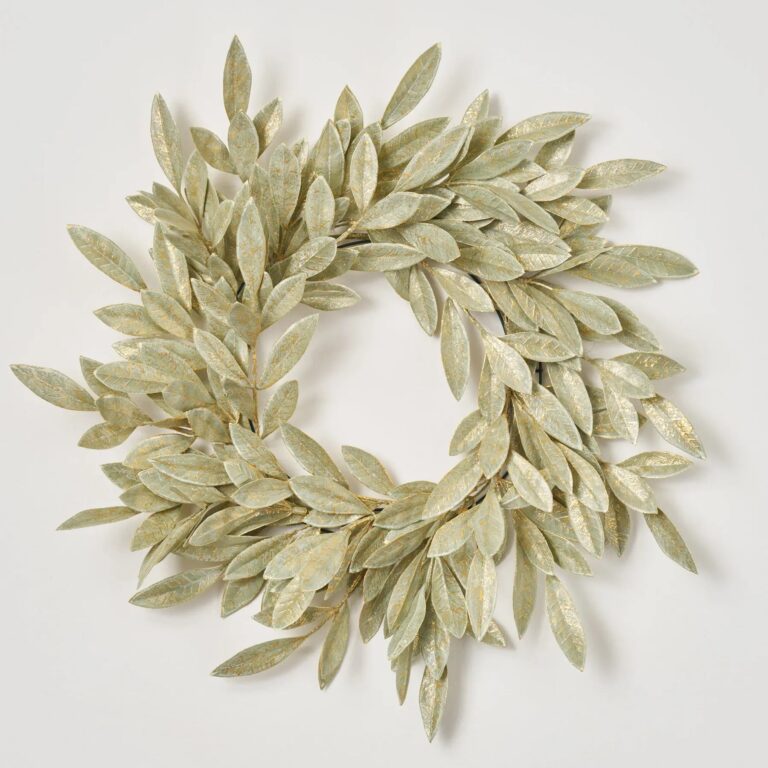

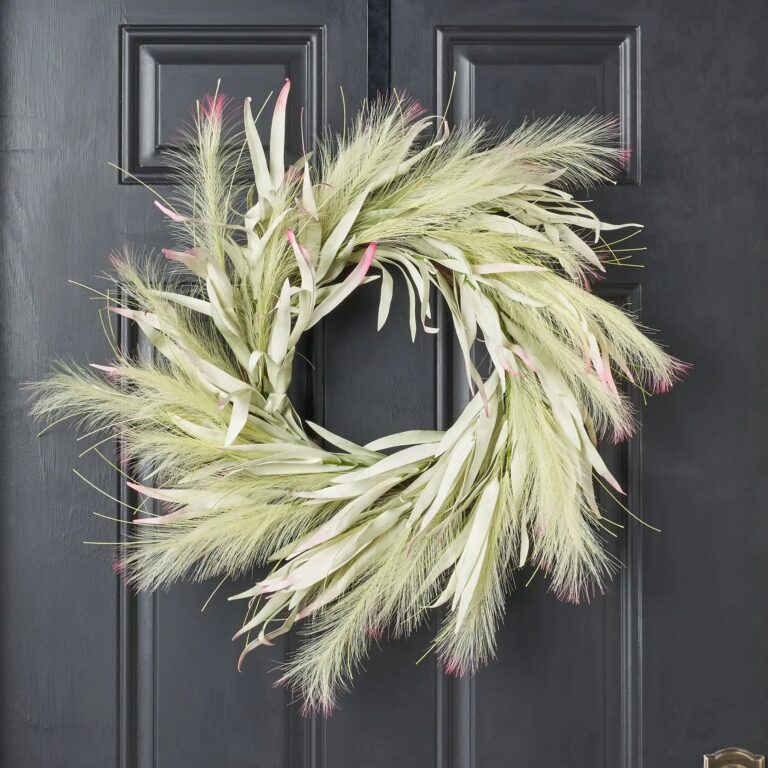



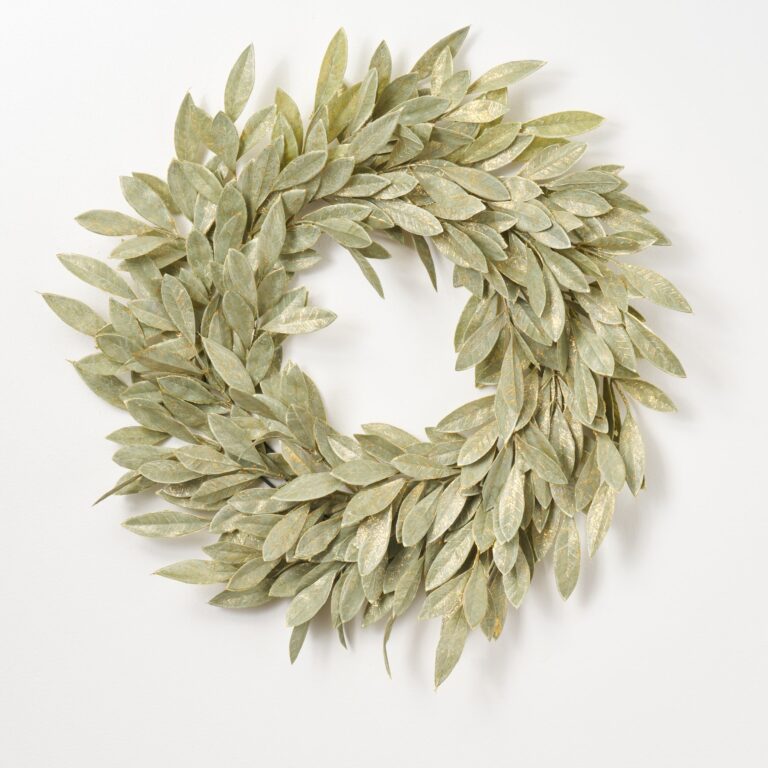

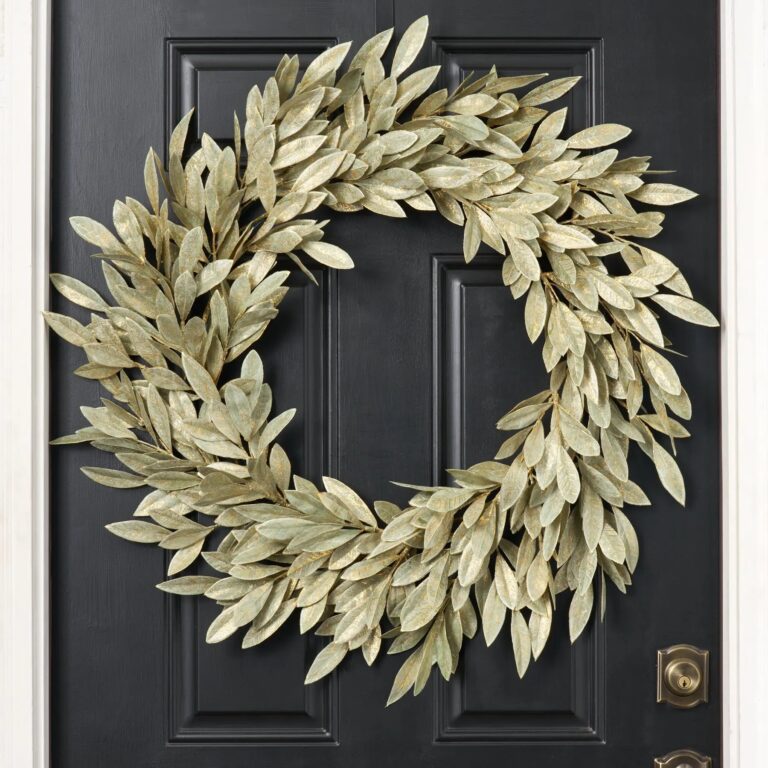

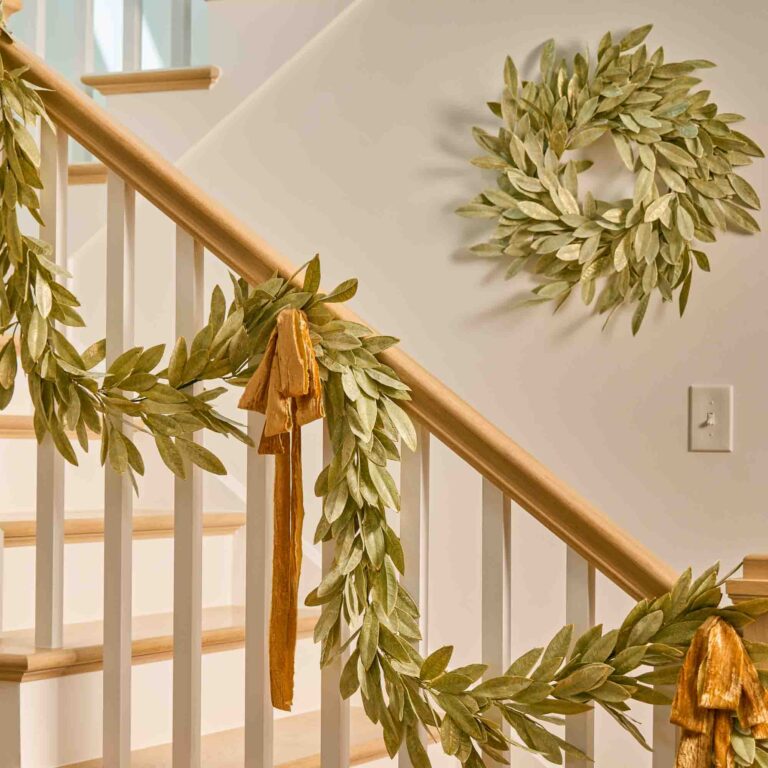
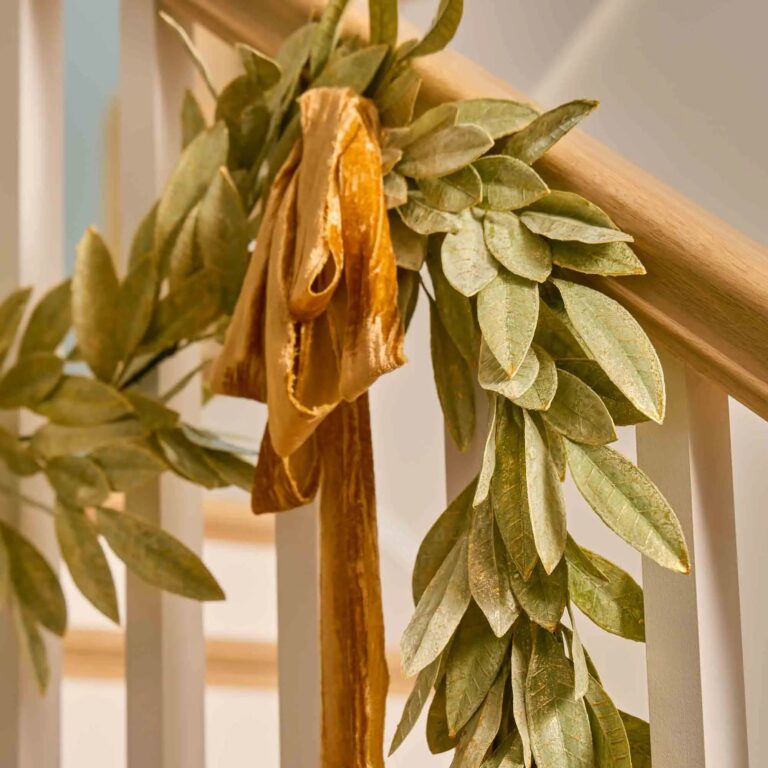
This section holds every ring, strand and hanging spray in the Evercombe greenery program — wreaths, garlands and swags in silk and faux botanicals, sold by the measured piece with the exact item photographed for its listing. The three forms share one standard across the collection: filler greenery cut at the same material grade as the focal blooms, glue lines specified invisible at half a meter, and a pull test on every wired decoration before boxing. Below, the map of the three lines and how to place them together.
Quick answer: Wreaths & garlands covers three forms — the wreath (a ring, 18 to 36 inches, hung flat on doors and walls), the garland (a strand, sold in 6, 9 and 12 foot lengths for mantels and stair rails), and the swag (a teardrop spray, 24 to 48 inches of drop, for vertical spots a ring cannot dress). Most pieces run $25–150 (USD, October 2026); all three store dry and return next season.
What Each Form Does
Choose the form by the shape of the surface, not by habit: a ring frames, a strand runs, a teardrop falls. Every decorating surface around a house is one of those three shapes, which is why the collection is built as three families rather than one long list — pick the geometry and the styling follows.
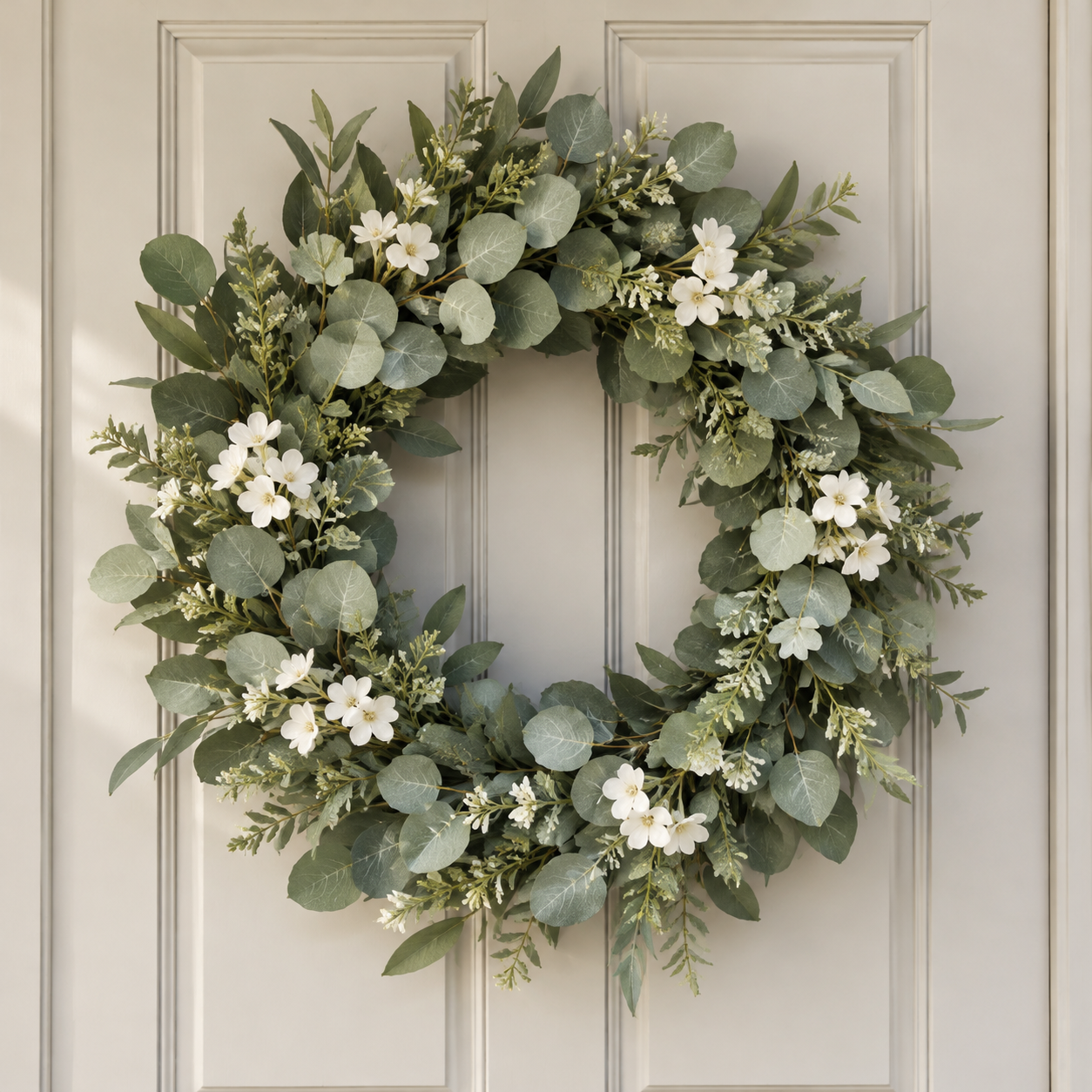
The ring carries the entrance
The wreath is the form guests meet first, and its one rule is proportion: the ring should span 50–70% of the door panel's width, which puts a 22–24 inch wreath on a standard 36-inch door. Everything else — evergreen, grapevine, deco mesh, flocked or flowering — is styling on top of that measurement. The front door series carries the door-specific builds; window wreaths and large wreaths (24 inches and up) take the two extremes of the size range.

The strand runs the architecture
Garlands dress the lines a house already has: the mantel beam, the stair rail, the door frame, the head table. The working math is measured length plus 10–20% for droop — a 6-foot mantel takes a 7-foot run, an 11-foot rail reads best as 12 feet with the tail left for the bottom swag. The line splits by placement (staircase, mantel and fireplace, outdoor porch and rail) and by season, with the Christmas garland program carrying the pre-lit specification work.
Dressing One House with All Three
The full greenery treatment of an entry is not one piece — it is the three forms stacked on the three registers of the facade: the door face, the horizontal lines, and the vertical posts. Work through the surfaces in order and the shopping list writes itself.
- Door face: a front door wreath sized to 50–70% of the panel — or two matching smaller rings on a double door, one per panel at identical height.
- Window column: wreaths on the street-facing windows — the window wreath line covers sizing and the three damage-free hanging methods.
- Horizontal runs: garland on the porch rail or mantel — measured runs with 10–20% droop slack.
- Vertical posts: a teardrop swag on the lamp post, gatepost or above the door frame — swags and teardrops, installed in matched pairs on double gates.
- Table level: mini wreaths as candle rings and cabinet accents carry the theme indoors.
On exposure: covered porches take any style in all three lines for the full season. Fully exposed doors, posts and rails face the honest boundary that applies to every artificial botanical — driving rain, snow load and weeks of direct sun age any piece — so the exposed placements get the denser builds, a storm routine, and the outdoor-rated wreath and garland lines.
The Seasonal Calendar
All three forms follow the same decorating year, and buying one form per season is how a collection compounds: box it in January, hang it again next fall. Christmas is the peak — the Christmas wreath and garland programs are the deepest part of the catalog — but the calendar starts earlier and runs all year.
The same door can run four looks a year on one hook: a grapevine base re-dressed with seasonal picks, or four boxed rings rotated from the same shelf. Storage is the shared payoff — every form ships and stores dry, boxed flat, and nothing browns or drops needles in the interim eleven months.
Frequently Asked Questions
What is the difference between a wreath, a garland and a swag?
Geometry. A wreath is a closed ring hung flat — it frames a feature like a door center or window. A garland is a continuous strand sold by length — it runs along mantels, rails and frames. A swag (or teardrop) is a single flat-backed spray that falls 24–48 inches — it fills a vertical column such as a gatepost, lamp post or the wall beside a door. Most houses use all three: ring on the door, strand on the rail, teardrop on the post.
Can I hang a wreath, garland and swag together on one entry?
Yes — that layered entry is exactly how the three registers of a facade get dressed. The working split: wreath on the door face, garland along the porch rail or door frame, swag above the frame or on the gateposts flanking the walk. Keep the three pieces in one color family and one greenery type so the layers read as a set; matching a swag to the wreath on the same door is the classic pairing, and pairs of swags on double gates read more architectural than two rings.
Which forms can stay outside?
Under cover — a porch with an overhang — all three forms run the full season without complaint, and silk greenery has no water clock, so covered placements hold for years. Fully exposed doors, posts and rails are the honest boundary for any artificial botanical: driving rain, snow load and weeks of direct sun age a piece faster. The practical pattern is denser builds on exposed spots, pieces brought in during named storms, and the outdoor-rated wreath and garland lines for open-exposure porches and rails.
How long do artificial wreaths, garlands and swags last?
Stored dry in their shaped boxes, away from attic heat, pieces from this collection are built to return for many seasons — there is no needle drop, no browning and no watering, so the failure points are physical: crushed branches from bad storage, shed flocking on flocked styles (a one-to-two-season cosmetic), or faded fabric after years of direct sun. A five-minute fluff each season restores the silhouette. That multi-season return is the entire value case against fresh greenery, which is a three-to-six-week product.
What sizes do wreaths, garlands and swags come in?
Wreaths run 18–36 inches, sized to 50–70% of the door panel's width (22–24 inches is the default on a standard 36-inch door); mini wreaths sit under 14 inches for cabinets and candle rings, and large wreaths start at 24 inches for grand entries. Garlands sell in 6, 9 and 12 foot runs — buy 110–120% of your measured length for droop. Swags drop 24–48 inches, with matched pairs on double doors and gates.
Do wreaths and garlands come pre-lit?
The Christmas programs do: pre-lit wreaths typically carry 50–100 warm-white LEDs on a 24-inch ring, pre-lit garlands run light counts scaled to their length, and pre-lit swags carry 30–70 depending on drop — the count is stated per listing rather than assumed. All run cool enough to layer against ribbon. The honest math on pre-lit is that you are buying convenience, not permanence: a failed string never condemns the piece, it simply goes back to being an unlit base. Unlit versions stay the flexible choice for custom ribbon work.
How should I store everything after the season?
Box each piece dry, keep the shaped boxes wreaths arrive in (the inner supports hold the ring round), and store cool — hot attics directly under the roof are the enemy of PE tips and light strings over years. Wreaths box flat on a 26–38 inch shelf depending on diameter, garlands coil or roll by their natural spine, and swags pack smaller than wreaths because a bundle compresses where a ring cannot. Nothing needs water, misting or climate control beyond ordinary dry storage.