

Craft Supplies



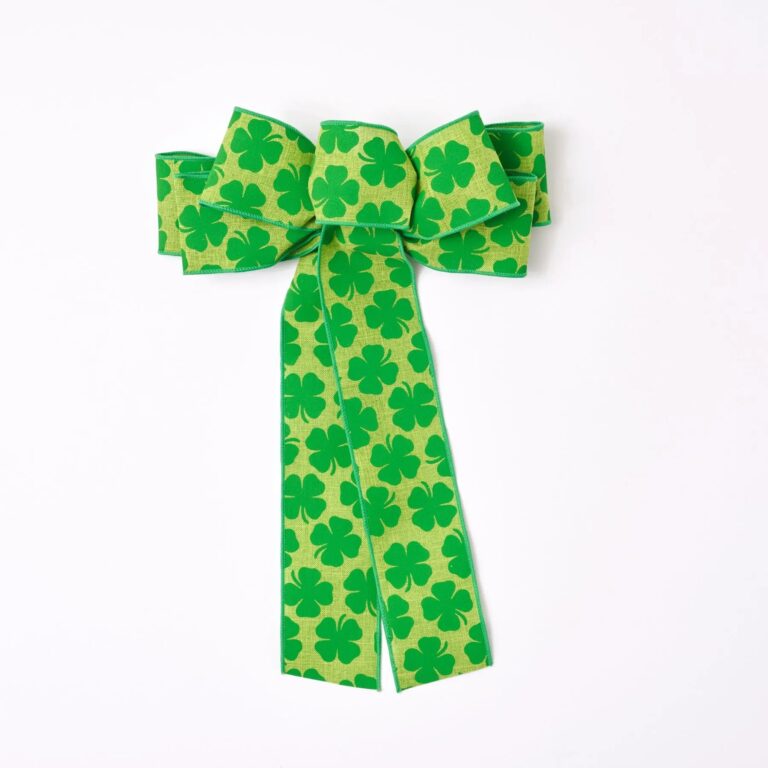


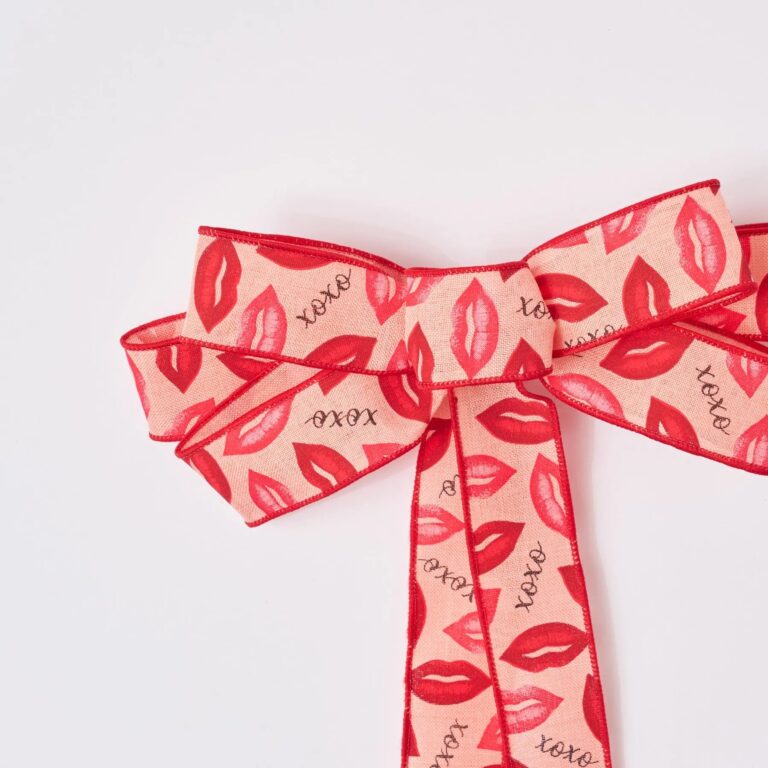
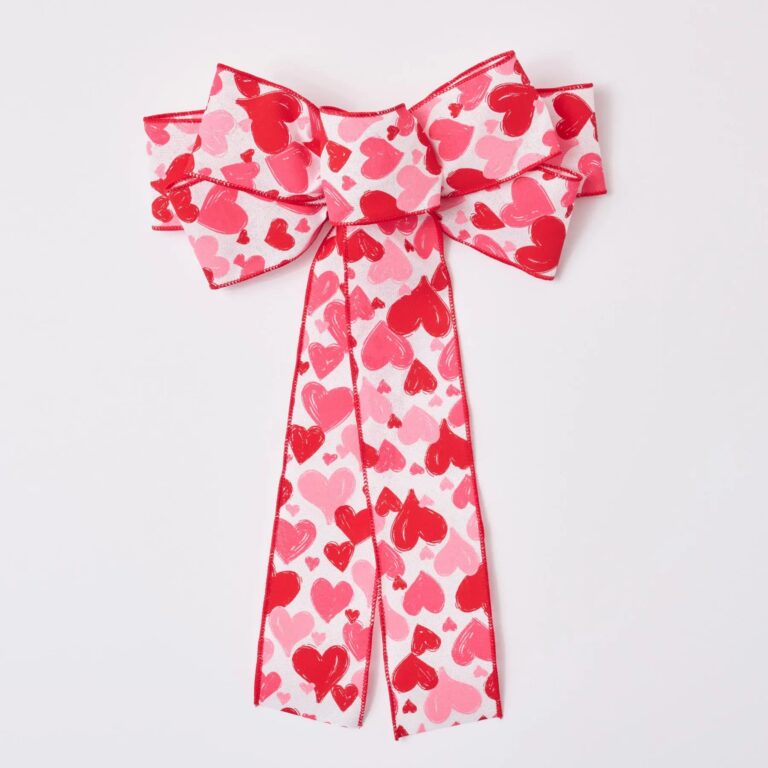

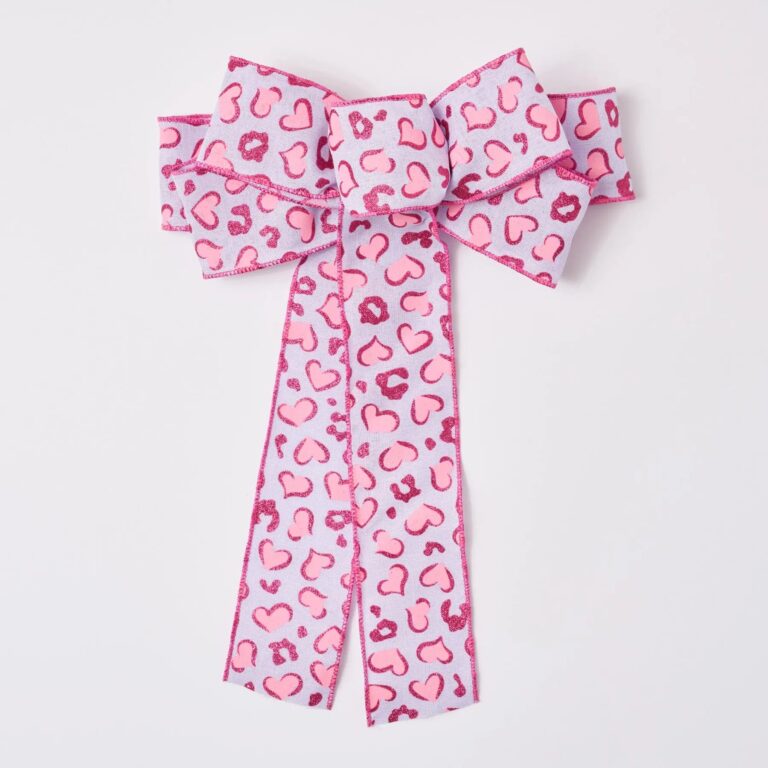

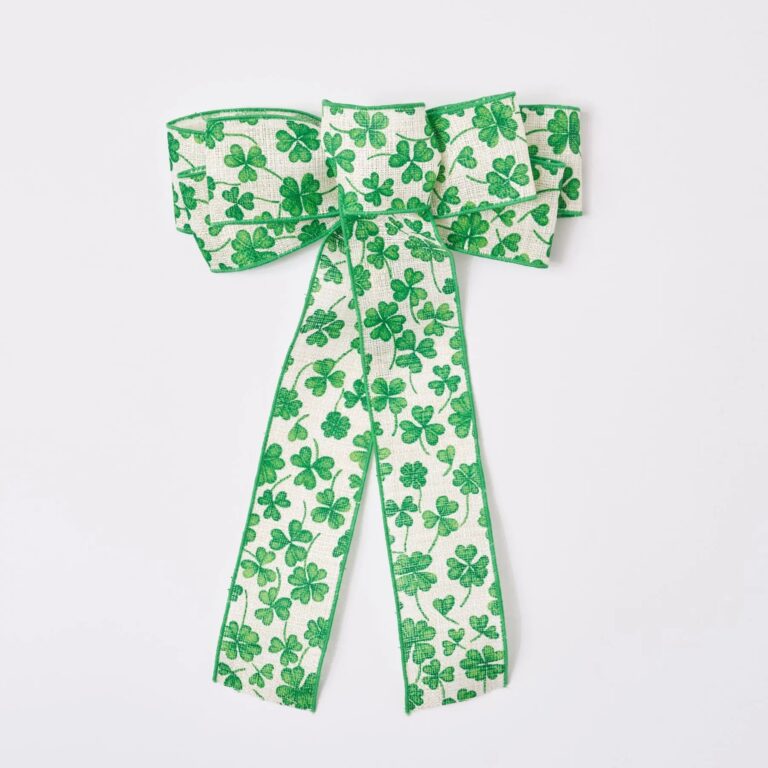

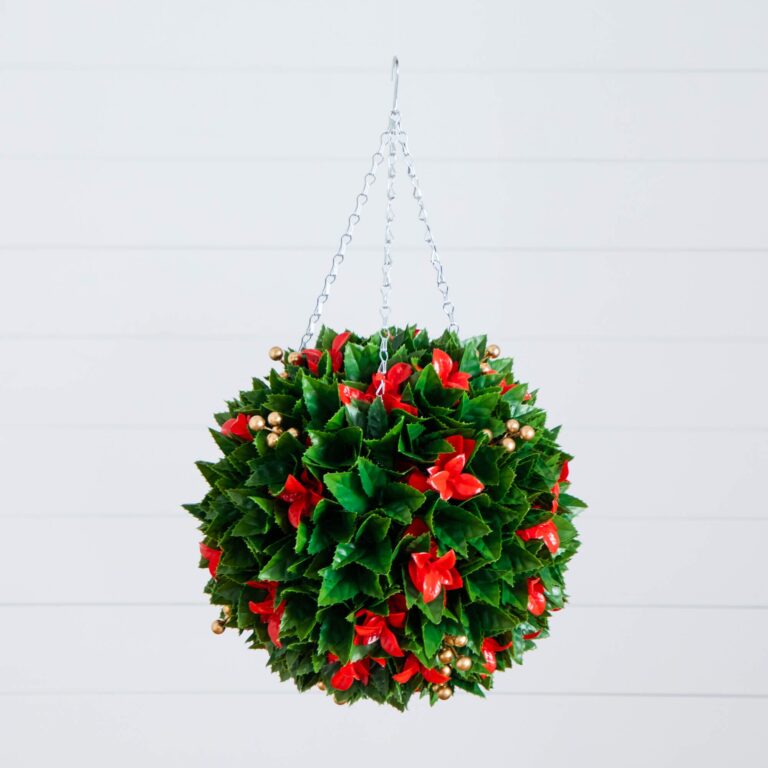
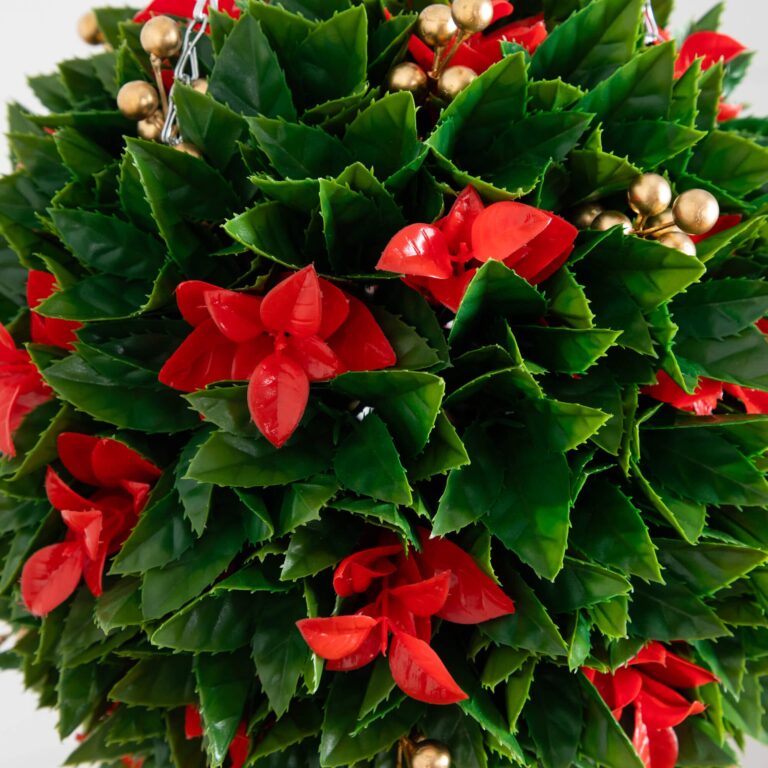
Every arrangement you have admired was built, not grown — and behind the build sits an aisle of mechanics: the foams and tapes and wires and forms that hold silk flowers where hands put them. This page is that aisle, organized the way builders actually shop: by project, then by tool, then by volume — from loose stems to bulk lots.
Quick answer: Floral craft supplies are the mechanics of building — foam bricks, anchor and stem tape, wire cutters, picks, wreath forms, ribbon, and loose stems. Everything sorts into 3 forms: stems (one bloom, one stem), bushes (several heads on one piece), and sprays and picks (finish pieces). The starter kit is 5 tools and 1 work surface; everything scales per piece from quantity one.
The Craft Program at a Glance
Stems, Bushes, Sprays: The Counting Rule
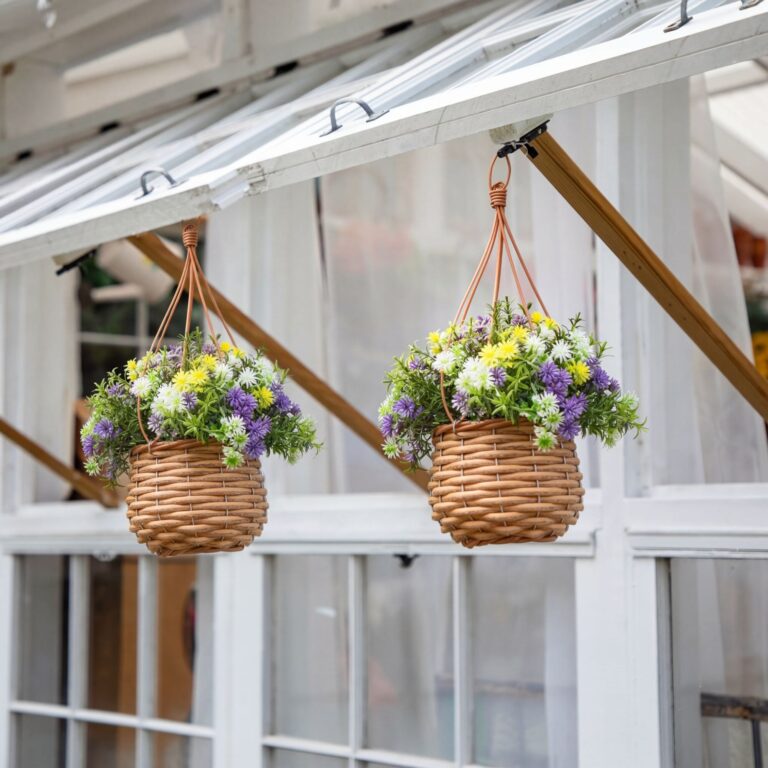
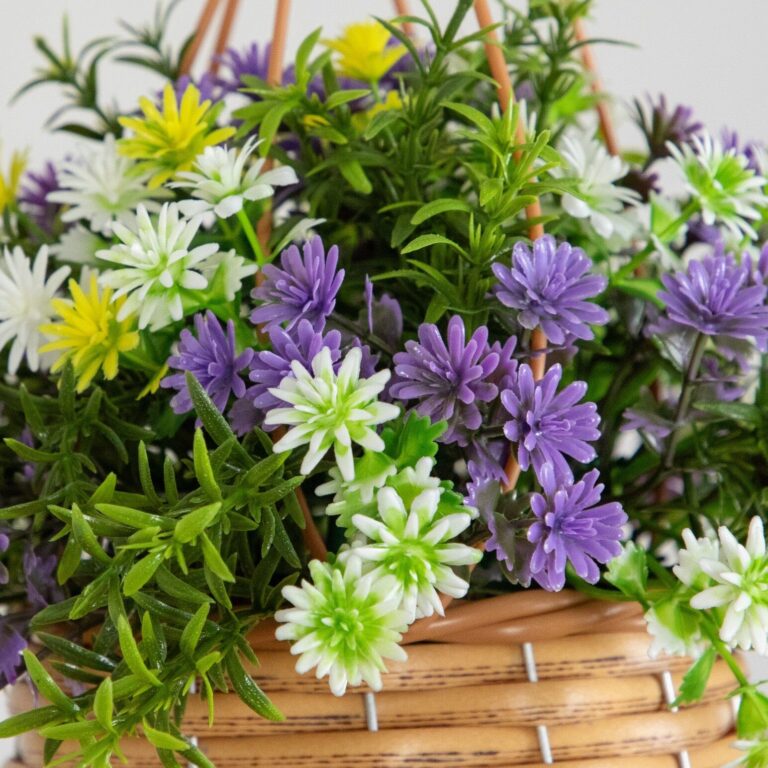
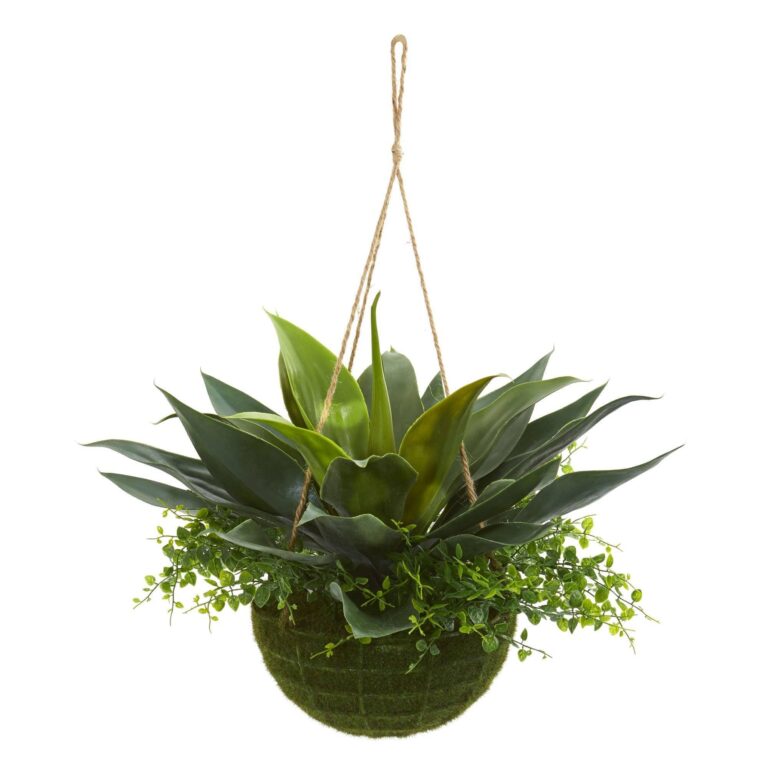
Almost everything in this section sorts into three working forms, and knowing the difference is half of buying right. A single stem is one bloom on one stem — the unit recipes count from, for bouquets, bud vases and centerpieces. A bush is several heads wired onto one group and is counted as ONE piece, not as its blooms — the fastest way to fill volume (arches, altar pieces, big urns) without wiring forty stems. Sprays and picks are short multi-bloom branches and stemmed accents — the finish layer for wreaths, corsages, gift wrap and cake flowers.
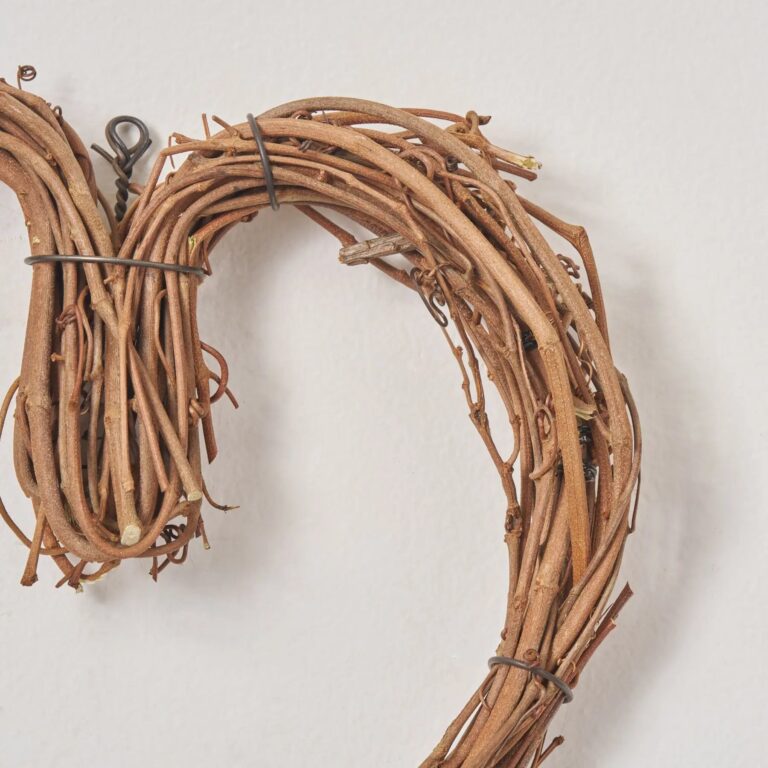
The counting rule matters most on bushes: a listing that says "5–9 heads" means those heads arrive on one piece. Every bush listing repeats this at the add-to-cart line, because a miscount there is the most common bulk mistake. Finished builds draw on four more supply families, each with its own page here: petals by the pack (aisle scatter, flower-girl baskets, toss cones); wired ribbon by width and yardage — the wired edge is what lets a bow hold its loop shape instead of flopping; wreath forms as the base layer (grapevine for see-through rustic builds, metal frames for structured work); and floral foam plus tools — tape, cutters, pins — the workshop shelf under every arrangement. For first-time builders, the DIY kits page bundles a build's parts with its instructions; for wedding-scale work, the wholesale program page carries the same catalog with inner box and full carton discount tiers.
The Honest Pricing Policy
Per-piece prices, visible without an account, buyable from quantity one — that is the whole pricing policy of this section. Case tiers (inner box, full carton) appear as quantity options on each listing with their discounts printed beside them; nothing requires a minimum, a login or a tax ID. Colorways are variations on a listing, so mixing colors never means hunting three product pages. Photos show the exact single piece you receive with count labels on multi-piece shots, and material composition (petals / leaves / stem) is listed per SKU — the specs a careful crafter checks and a reseller's paperwork asks for.
Shipping is stated per listing as two separate numbers — processing time and carrier time — because compressing them into one optimistic promise is how the rest of the industry creates unpleasant surprises. Stems ship compressed; a straighten-and-fluff pass is expected and each listing grades its own arrival state honestly.
The Five-Tool Starter Kit
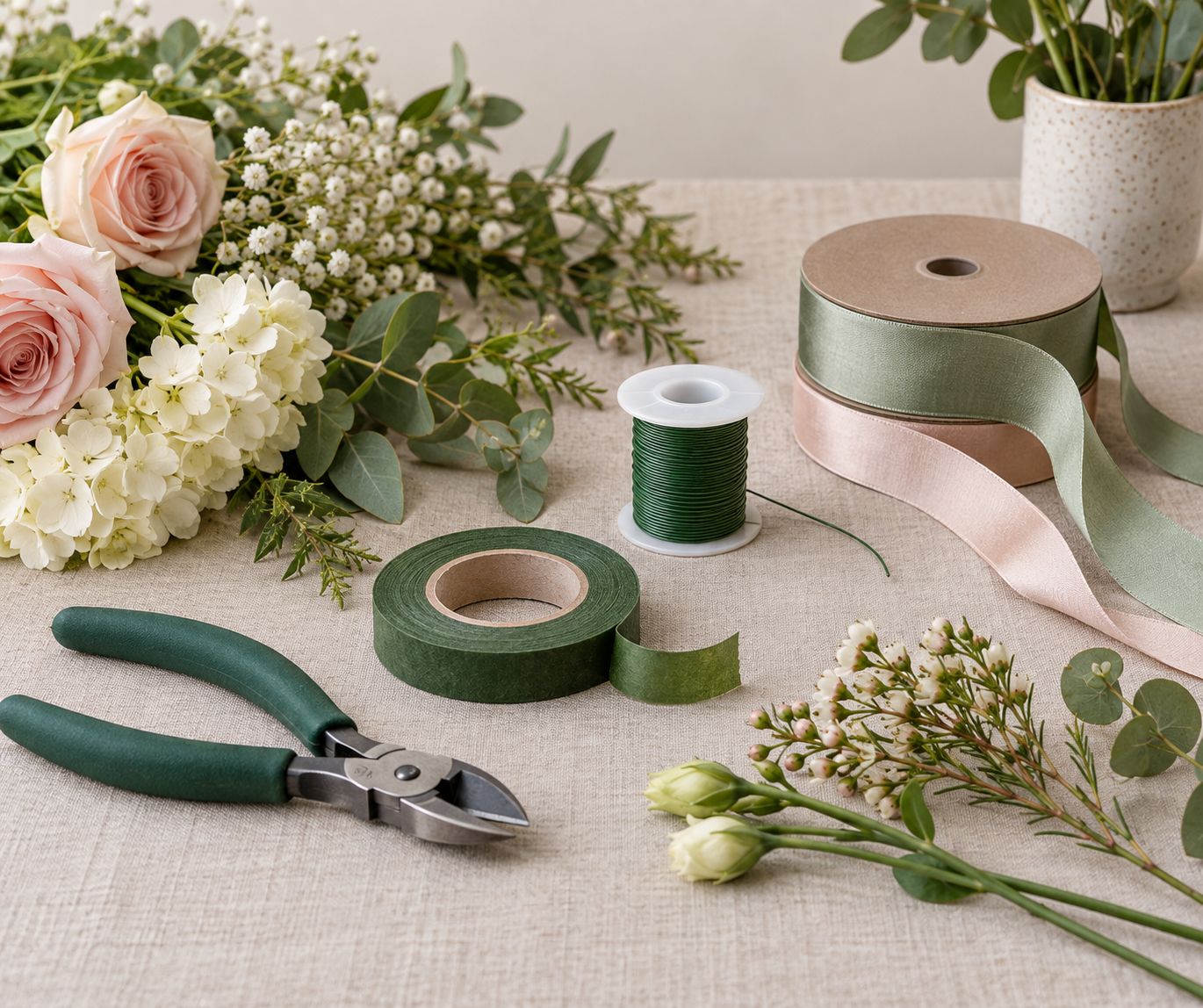
- Wire cutters — the non-negotiable; scissors chew wire cores and leave sharp frays. One pair serves every project in this catalog.
- Hot glue gun — permanent joints on wreaths, picks, and foam builds; the 15-minute-per-project tool.
- Floral tape and anchor tape — stem-wrapping for finished looks, vessel crosses for tall builds; the two tapes hold the trade together.
- Wire and picks — reinforcement for limp stems, attachment for wreath work; the picks program doubles as decoration.
- Moss and top-dress — the cover layer; the difference between homemade and professional is usually just moss over the mechanics.
Where to Start in Craft Supplies
- Building bouquets or centerpieces? Start at loose stems — one bloom per stem is the recipe unit. Add greenery bushes for filler volume, sprays for texture.
- Filling a big space? Bushes — several heads per piece, stated per listing. A 24-bush carton carries the head-count of a hundred loose stems at a fraction of the wiring.
- Making wreaths? Pick your base first (grapevine for rustic, metal frame for structure), then sprays and picks to dress it, then wired ribbon — 2.5 in. width is the standard bow size.
- Scattering petals or filling baskets? Petals by the pack — count labels state pieces per pack so aisle coverage can be budgeted by the meter.
- Want instructions with the parts? The DIY kits page pairs a build's materials with its steps — box contents list every piece included, so nothing is implied.
Project Paths
- First arrangement: three greenery stems, three face flowers from the rose program, one filler spray, one vase — the three-layer build taught once, used forever.
- First wreath: an 18-inch grapevine base, five to nine pick clusters, glue gun — an afternoon, a door, a habit that refreshes per season.
- First wedding build: the wedding DIY program — packages, stems, and petals in matched lots, sized from courthouse to full reception.
- Going long-term: seasonal storage — flat boxes, out of sun, stems unbent — keeps every build serving for years; the craft's economics compound from season two.
Frequently Asked Questions
What is the difference between a stem, a bush and a spray?
A stem is one bloom on one stem — the unit bouquet recipes count from. A bush is several heads wired onto a single group and is counted and priced as ONE piece, however many heads it carries (the head count is stated on every bush listing). A spray is a short branch carrying a small cluster of blooms or buds, used as the finishing layer on wreaths, corsages and arrangements; a pick is its smallest cousin, usually a single accent on a short stem. Choose by the work: stems for recipe-building, bushes for volume-filling, sprays and picks for finishing.
Do I need to buy craft supplies in bulk quantities?
No — every supply on this line sells per piece from quantity one. Bulk tiers (inner box and full carton) exist on the same listings as quantity discounts, not as minimums: they matter when a wedding or a season of wreath stock makes unit cost worth caring about. A first build typically needs fewer than a dozen pieces — one or two testers per flower type, a base, ribbon, and foam. Sample-first remains the standard play throughout the section: order the single piece, check it in daylight, then scale to a tier on the exact SKU you approved.
What supplies do I need to start with artificial flowers?
Five tools: wire cutters, a hot glue gun, floral and anchor tape, wire or picks, and a bag of moss for top-dressing. Add whatever base your first project needs — a vase, a wreath form, or foam — plus the stems themselves. That kit covers arrangements, wreaths, and most wedding DIY at every skill tier.
What is the difference between floral foam and dry foam?
Wet foam (green Oasis-type) absorbs water for fresh flowers; dry foam (white styrofoam bricks) is for permanent botanicals and never gets wet. For silk work you want dry — the full distinction, sizes, and the honest environmental note live in the foam guide.
Which wreath base should a beginner use?
Grapevine for a first wreath — the frame is already a finished object, so gaps read as rustic charm instead of poor coverage; work in clumps of sprays and picks, wire each clump, and trim. Metal frames (single wire or triple ring) reward more structured builds like deco mesh work and hold heavier attachments, but show every gap. Straw forms suit dried-look and harvest builds. Sizes: 18 in. for indoor and statement walls, 22–24 in. for a standard front door, larger only for double doors and commercial spaces.
What width of wired ribbon do I need?
Match width to the job. 2.5 inches is the all-purpose standard — the bow size on most door wreaths and package toppers. 1.5 inches is for streamer tails, thin trims, cake bands and small bows where a 2.5 would swamp the piece. 4 inches makes statement bows for large wreaths, swags and mailbox builds. Yardage math: a standard wreath bow eats about 3 yards at 2.5 in., and tails add 1–1.5 yards each — a 10-yard roll therefore carries a bow plus tails plus wrap, or roughly three plain bows. Every width-and-yardage combination is a variation on one listing, not separate pages.
Are the materials listed for each product?
Yes — per SKU, broken out by part: petals (silk-blend fabric, real-touch foam, or PE film), leaves (fabric or PE), and stem (wired, sometimes wrapped). The sample box ships one piece per material line with a contents card naming each material, so the difference between fabric and foam can be judged by hand before any build is committed. This disclosure exists because the words silk, foam and real-touch get used loosely across the industry; here each listing states which is which rather than leaving it to guesswork from the price.
Can craft supplies be used outside?
Sheltered outdoor spots — a covered porch, a door with an overhang — are fine for standard craft lines, and seasonal displays there are a normal use. Fully exposed placements are a different job: constant sun fades fabric petals and ribbon over a season or two, and heavy rain is hard on any artificial botanical. For open-exposure garden beds, railings and planters, the outdoor-rated line is listed separately with its UV-resistant builds. The honest rule of thumb: treat an unprotected craft piece like a seasonal flag, and it lasts; treat it as weatherproof, and it will teach you otherwise.
How much cheaper is building my own arrangements?
Per bloom, loose stems run roughly half of finished-piece pricing — you delete the assembly labor from the cost. The honest count includes your hour at the table and the one-time tool kit, which amortizes across every project after the first. Builders who enjoy the work save fully; builders who do not should compare against the finished arrangements line honestly.
Where do I buy floral supplies in bulk?
The bulk and wholesale program carries case lots of stems and petals with volume pricing; mechanics like foam and tape come by the case from the same program. Event builders standardize on one foam size and one tape brand, then scale the flowers — buying the mechanics once per year beats re-buying per project.