

Silk Rose Stems
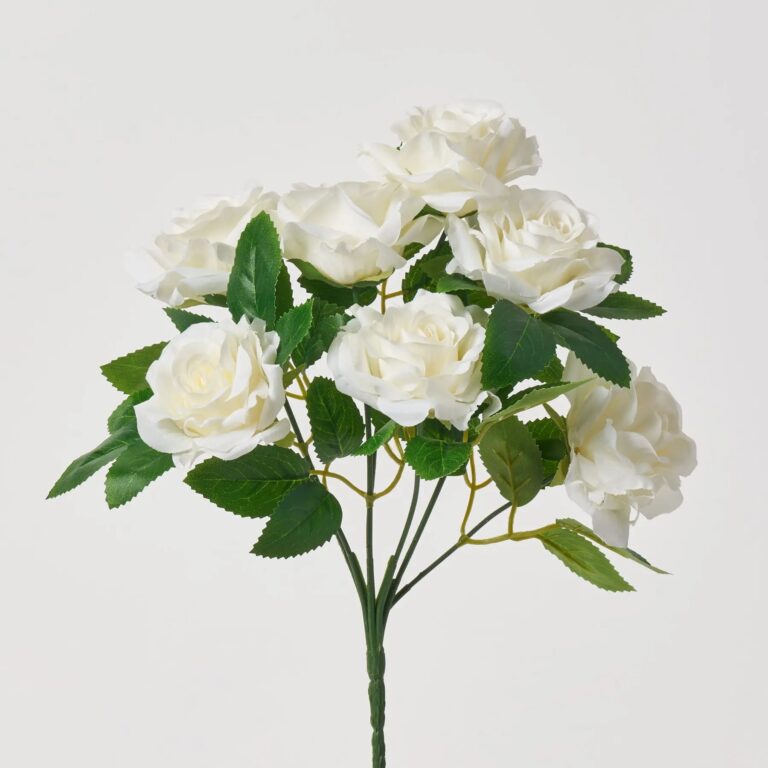

11″ Silk Rose Bouquet – White
Price range: $13.00 through $15.00Silk rose bouquet. Measures 11″ tall. Built for wedding work, bridesmaid sets, and everyday vases.
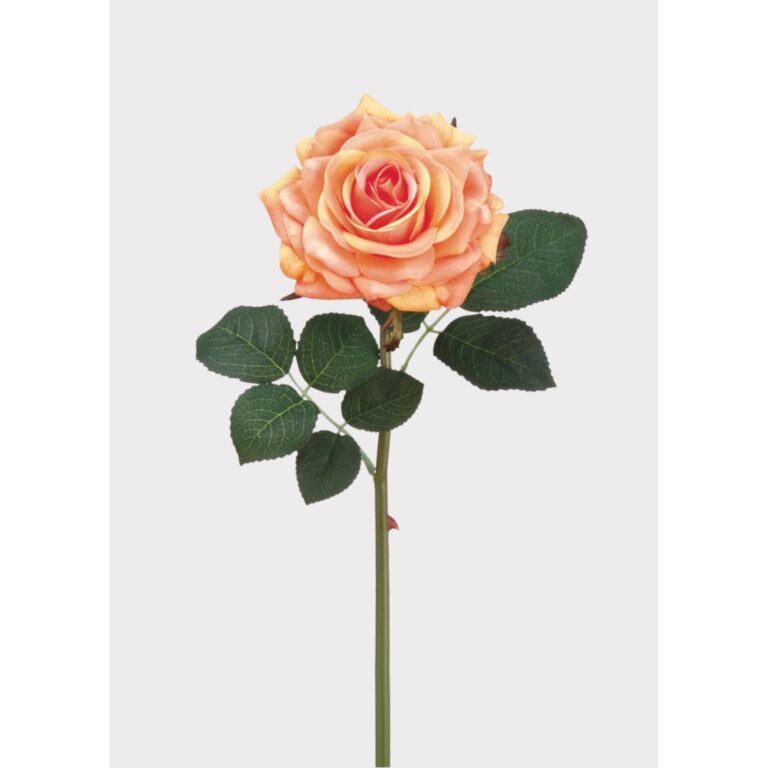
12″ Real Touch Rose Stem – Peach
$16.00Rose stem in peach. Measures 12″ Tall x 3.5″ W. Wired stems shape and cut easily. A no-fuss way to keep vases full year-round.

13″ Real Touch Rose Plant – Fuchsia
$78.00Real Touch Rose plant. Measures 13″ tall. Mix it with other botanicals for a full, layered arrangement.


14″ Real Touch Rose Spray – Pink
$20.00Rose spray in pink. Measures 14″ Tall x 5″ Wide x 3″ D. Wired stems shape and cut easily. A no-fuss way to keep vases full year-round.
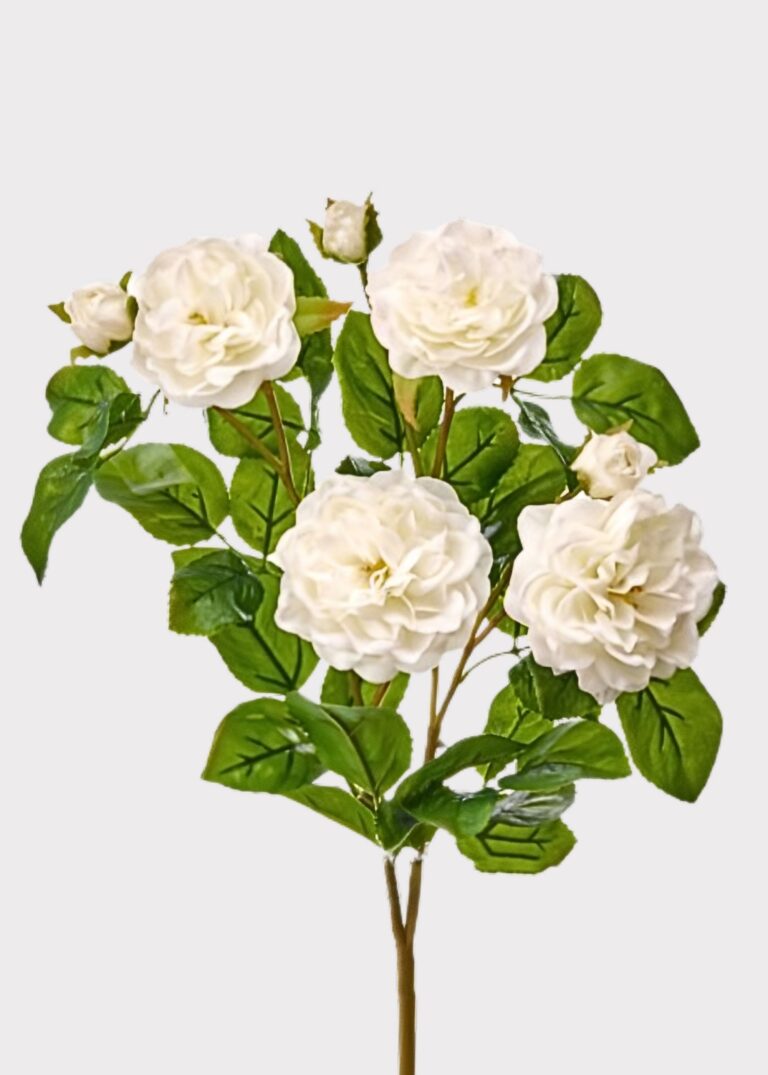
17″ Real Touch Rose Bush – White
$38.00Rose bush in white. Measures 17″ wide. Shape the wired stems to fit any vase or project.
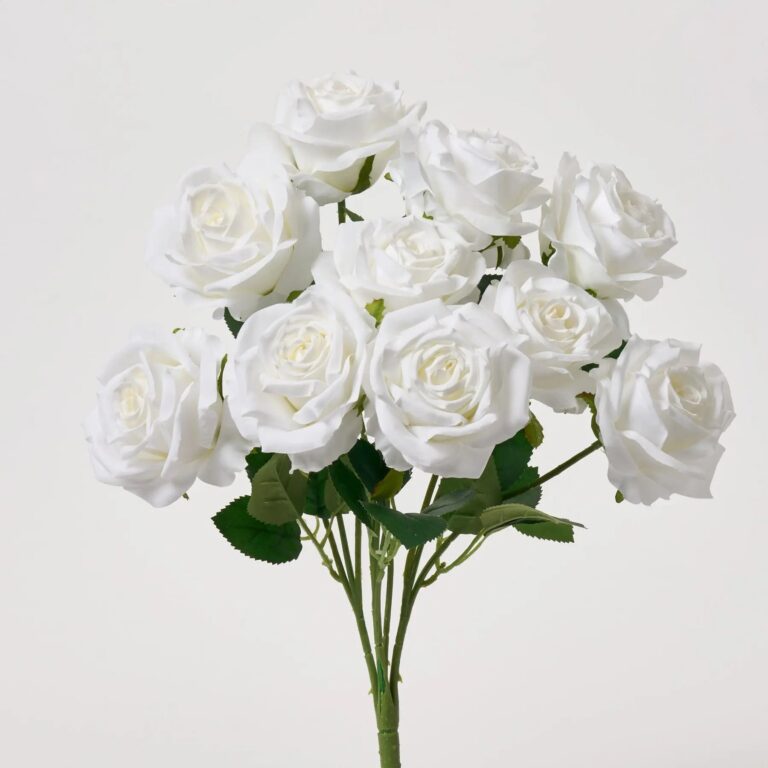
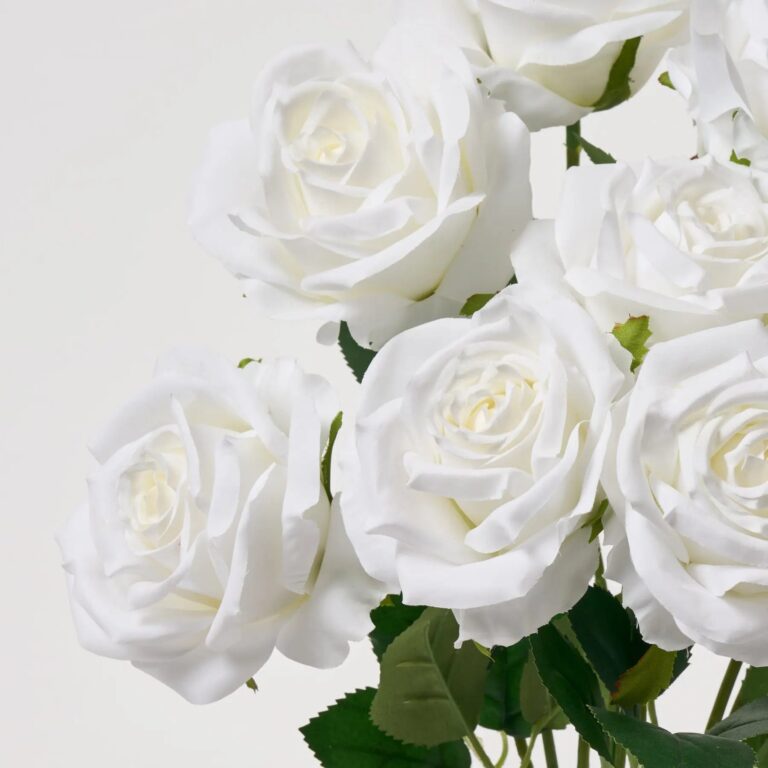
18″ Faux Rose Bouquet – White
Price range: $16.00 through $36.00Faux rose bouquet. Measures 18″ tall. Full blooms wired to hold their shape all day.
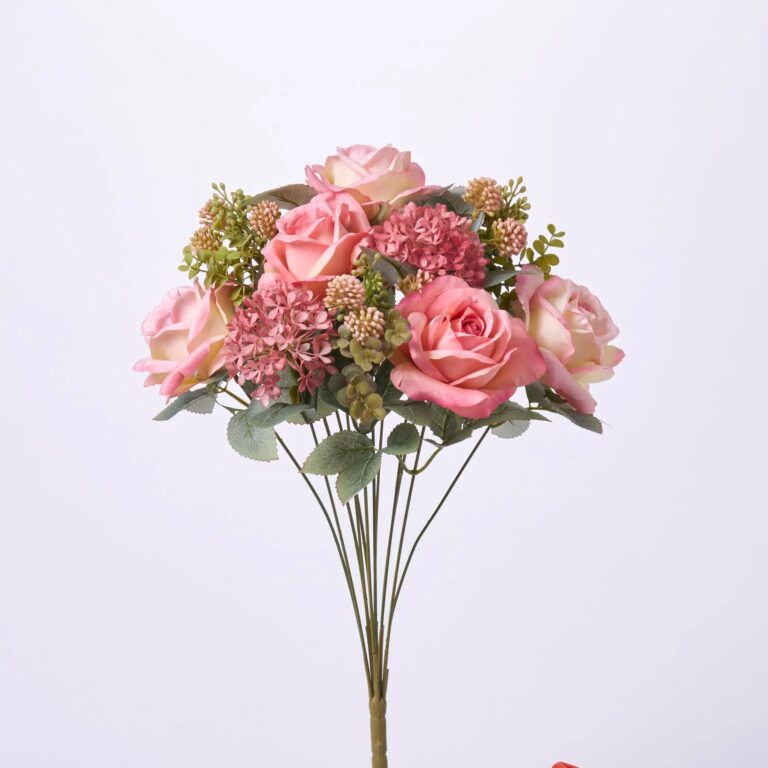

19″ Faux Hydrangea & Rose Bouquet – Pink
$22.00Faux hydrangea & rose bouquet. Measures 19″ tall. Tie one into a bouquet bar or keep a spare set on hand.
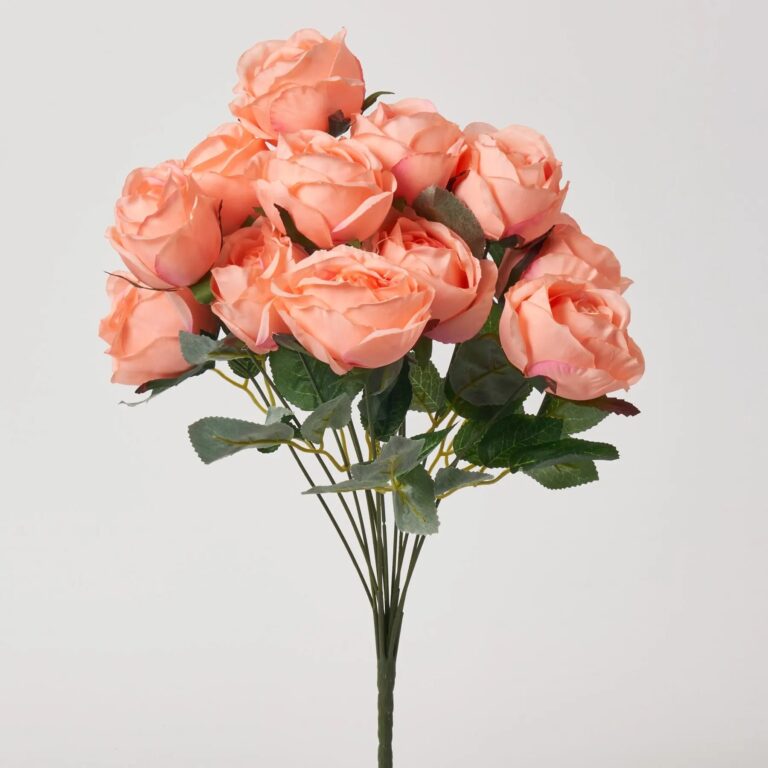

19″ Faux Rose Bouquet – Purple
$43.00Faux rose bouquet. Measures 19″ tall. Full blooms wired to hold their shape all day.
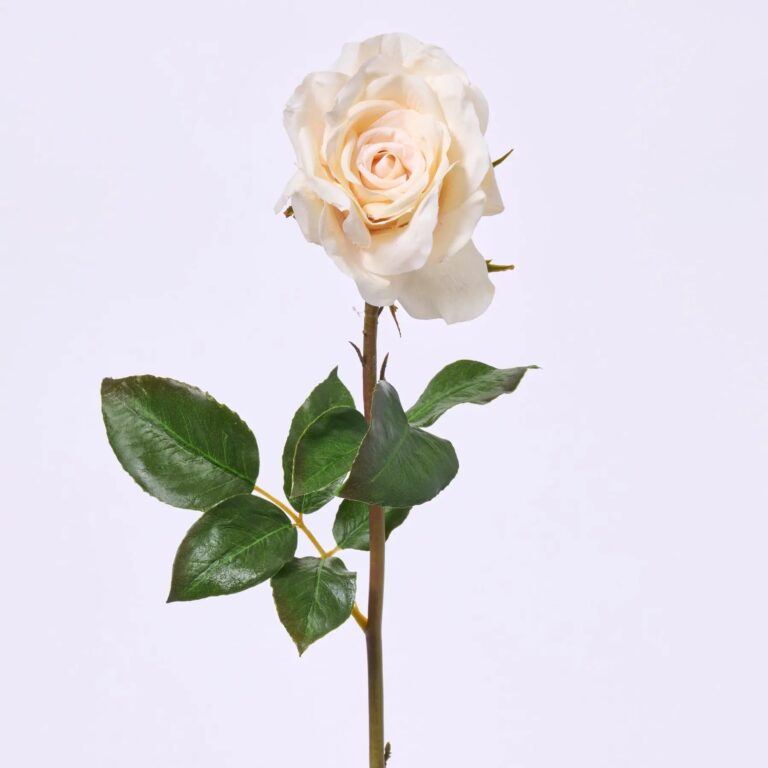
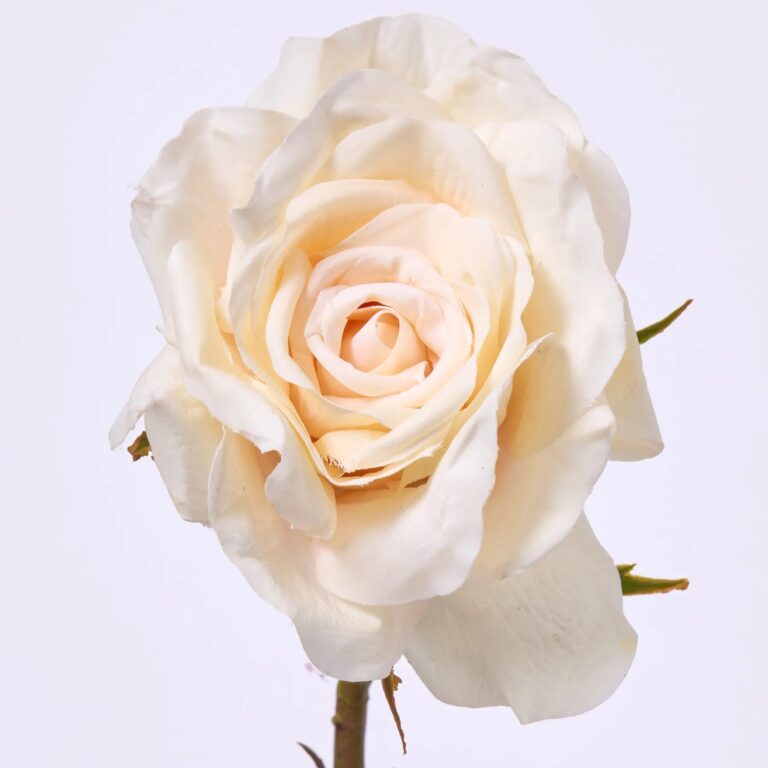
20″ Real Touch Rose Spray – Beige
$27.00Rose spray in beige. Measures 20″ Tall x 6″ Wide x 3″ D. Wired stems shape and cut easily. A no-fuss way to keep vases full year-round.

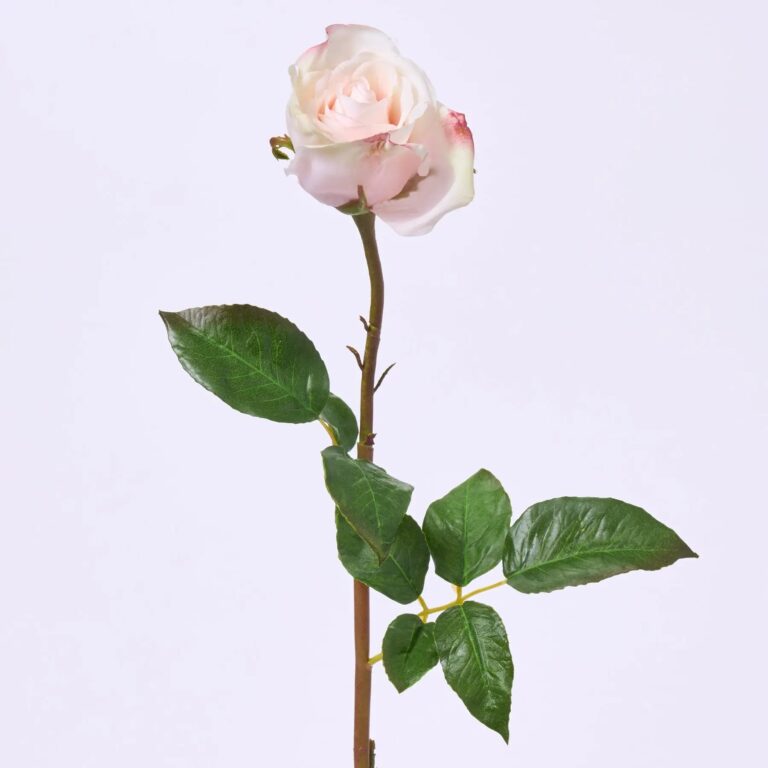
20″ Real Touch Rose Spray – Light Pink
$46.00Real Touch rose spray. Measures 20″ Tall x 6″ Wide x 1.5″ D. Wired stems shape and cut easily. Fills vases and wreaths alike.
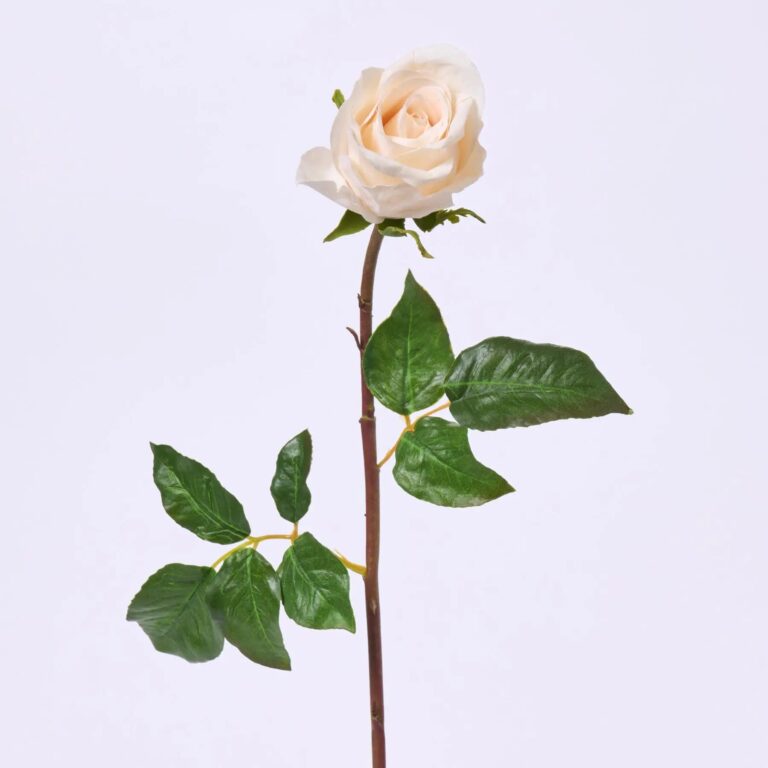
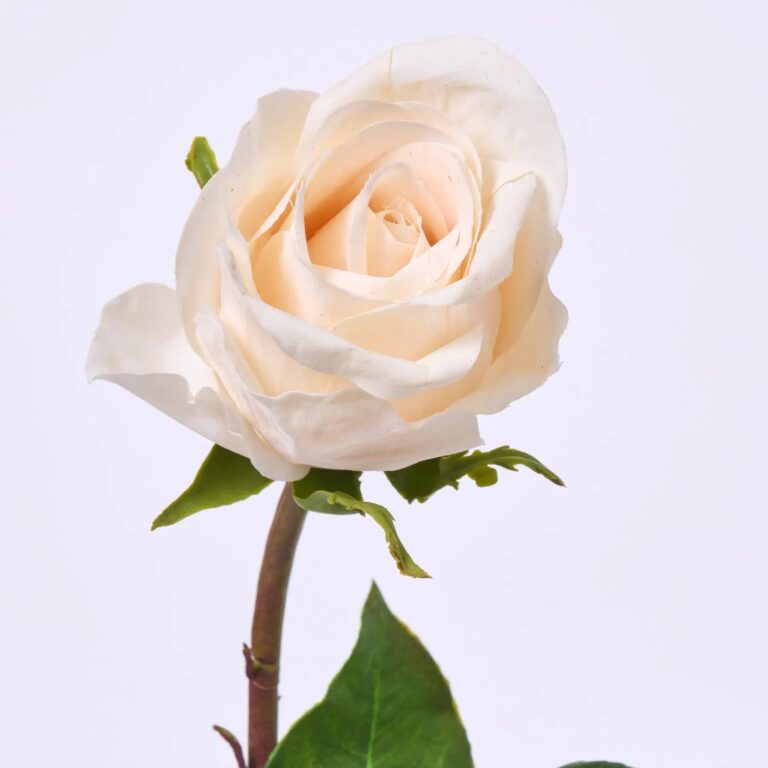
20″ Real Touch Rose Stem – Beige
$39.00Rose stem in beige. Measures 20″ Tall x 2.5″ Wide x 2.5″ D. Wired stems shape and cut easily. A workhorse stem for any vase.


20″ Real Touch Rose Stem – Beige 2
$22.00Rose stem in beige. Measures 20″ long. Wired stems shape and cut easily. Mix it with other botanicals for a full, layered arrangement.
Silk rose stems sold the way builders buy them — loose, one bloom per stem, from single stems to dozen bundles. Standard roses, garden roses with fuller cupped heads, and spray roses with several small blooms, in a color range that runs past fifteen tones. These are the working stems behind DIY bouquets, flower walls and vase builds. Every listing photo shows the exact stems you receive.
Quick answer: One rose per stem, in three builds named in every title: standard (2.5–3.5 inch blooms on 20–24 inch stems), garden (fuller 3.5–4.5 inch cupped heads) and spray (three to five 1.5-inch blooms per stem). Sold as singles, bundles of six and dozens in fifteen-plus tones. A bouquet takes 12–20 stems, a flower-wall panel one stem per 4×4-inch cell, a kitchen vase six.
Silk Rose Stems, Explained

What a silk rose stem is
A silk rose stem is one rose on one stem — the loose form florists and DIY builders work from, as opposed to the finished arrangements sold elsewhere on this site. Three builds matter and are named in every title: standard roses (one classic bloom per stem), garden roses (fuller, cupped, many-petaled heads — the peony-adjacent look), and spray roses (one stem carrying three to five smaller blooms). The rose itself carries the deepest meaning-book in the flower language — love in red, friendship in yellow, grace in pink — and our rose color meanings guide is the hub of the whole story.
Why loose stems: every finished thing starts from them. A bridal bouquet, a flower-wall panel, a Saturday vase — each is standard, garden and spray roses in counts you control, at loose-stem pricing instead of finished-piece pricing.
Sizes and counts
Standard rose blooms run 2.5 to 3.5 inches on 20 to 24 inch stems; garden roses run 3.5 to 4.5 inches; spray roses carry three to five 1.5-inch blooms on 18 to 24 inch stems. Packaging follows the trade convention: single stems, bundles of six, and dozens — with the count stated in every title and shown flat with a tape reference. A dozen means twelve stems; where listings photograph stems in groups, the group is the count.
Standard, garden and spray, side by side
Where they work best
Loose rose stems are the raw material of the three big builds. DIY wedding bouquets: twelve to twenty standard and garden roses plus greenery, following our wedding bouquet guide. Flower walls: heads or whole stems fixed to panel backing, roughly one stem per 4×4-inch cell. Home vases: six stems with greenery make the classic kitchen-counter rose vase that never wilts, never drops petals, and never needs the Sunday water change.
Spray roses specifically carry boutonnieres, crowns and the filler layer of arrangements — the scale where a full standard rose reads oversized.
Colors, fifteen and counting
The rose has the widest working palette of any species here: red, white, cream, blush, pink, peach, yellow, orange, coral, burgundy, mauve, lavender, purple, blue-tinted and two-tone — named per listing with flat-lay photos. Meaning tracks color, so gift-builders choose from the guide rather than the shelf: red for love, yellow for friendship, white for new beginnings, orange for enthusiasm. Mixed-color dozens are labeled as mixed; monochrome bundles are sorted at packing.
What arrives, and the minute after
Stems ship flat in bundles; a minute per stem sets the form — bend the wire core to a natural curve, open the bloom with a two-thumb spread from beneath, peel the guard petals outward on garden roses. Dozens arrive counted and banded. A shaping card ships in every box, and stem counts are stated in every title.
How to Choose Silk Rose Stems
- Match the build to the rose form.
Bouquets and vases → standard and garden roses; boutonnieres, crowns and filler → spray roses; flower walls → whichever form the panel design calls for, counted by the cell.
- Choose garden or standard by the look.
Standard roses give the classic spiral cut-form; garden roses give the full cupped head — named per listing, because the two do not substitute in a tight build.
- Pick color by meaning, then by room.
Gift builds follow the rose color guide — red, yellow, white each say different things; home builds follow the room's palette. Mixed dozens are labeled as mixed.
- Buy in dozens for builds.
A bouquet takes 12–20 stems, a wall panel about one stem per 4×4 in cell, a classic vase six. Counts are printed in every title — a dozen means twelve.
Frequently Asked Questions
What is the difference between standard, garden and spray roses?
Form and scale. Standard roses carry one classic bloom of 2.5–3.5 inches per stem — the rose everyone pictures. Garden roses carry one fuller, cupped, many-petaled head of 3.5–4.5 inches, the peony-adjacent look that dominates current wedding work. Spray roses carry three to five small 1.5-inch blooms on one stem — the scale for boutonnieres, crowns and arrangement filler. The form is named in every title because the three do not substitute for each other in a build.
How many silk rose stems do I need for a bouquet or flower wall?
For a bridal bouquet, twelve to twenty standard and garden roses plus greenery and fillers is the working range — our wedding bouquet guide walks the build step by step. For flower walls, budget roughly one stem per 4×4-inch cell of panel. For a home vase, six stems with greenery is the classic build. Stem counts are printed in every title, so the math you plan with is the math that ships.
What do the different rose colors mean?
The rose has the longest meaning-book in the flower language: red for love and respect, white for purity and new beginnings, yellow for friendship and joy, pink for grace and admiration, orange for enthusiasm, lavender for enchantment. Because meaning tracks color so closely in this species, our rose color meanings guide covers each tone in its own chapter — worth a read before a gift build, since the differences are the message.
How do I shape the stems after unboxing?
About a minute per stem. Blooms ship lightly closed: open each with a two-thumb spread from beneath the bloom, and on garden roses peel the outer guard petals outward to start the cup. Bend the wire-cored stems to natural, slightly varied curves — uniform stems read staged. A shaping card with photos ships in every box, and the same steps appear on the product page.